
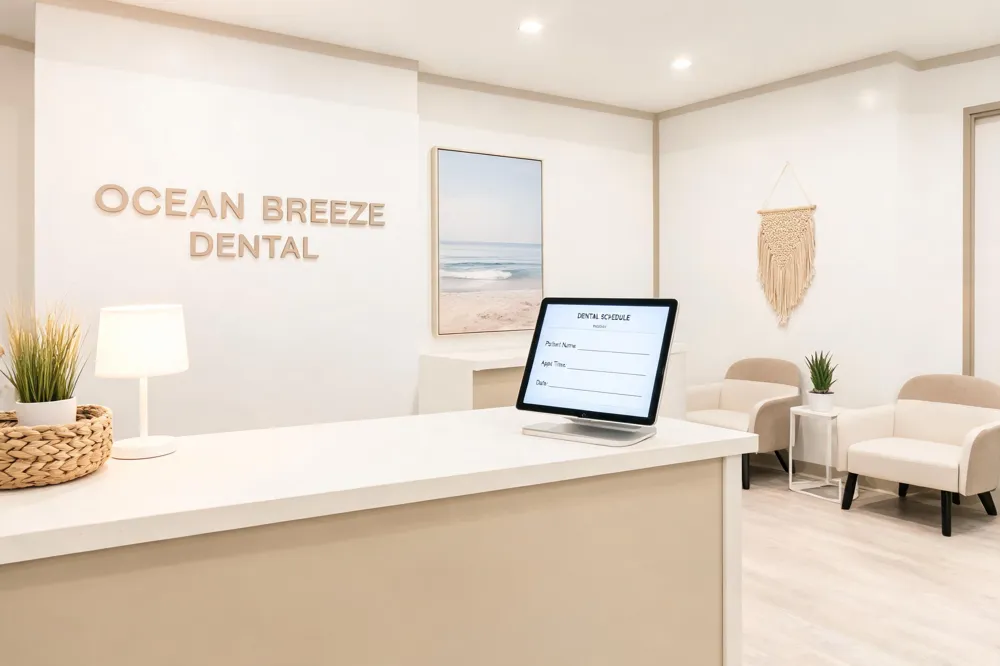
Why OnlineScheduling Matters
Convenience of 24/7 Access
Online dental appointment scheduling offers unmatched convenience. Patients can book visits at any time, even late at night or on weekends, without being restricted by office hours. This flexibility is ideal for busy families and professionals who struggle to fit phone calls into their day. Studies show that 72% of patients prefer booking online, and 73% of appointments are scheduled after regular business hours, highlighting the demand for always-available access.
Patient Empowerment Through Self-Service
The self-service portal empowers patients by giving them control over their care. They can view real-time availability, select their preferred provider, and choose the exact appointment type that meets their needs. This autonomy reduces anxiety and fosters a collaborative relationship with the dental team. Patients who schedule their own appointments are nearly 9% more likely to keep them, improving attendance and satisfaction.
Practice Efficiency and Reduced Phone Traffic
For dental practices, online scheduling dramatically cuts administrative workload by reducing phone call volume. Staff can save 15 to 30 minutes per patient, allowing them to focus on clinical care rather than phone triage. Automated reminders further lower no-show rates by up to 40%, protecting practice revenue. This efficiency creates a smoother workflow, benefiting both the team and the patients they serve.
| Aspect | Patient Benefit | Practice Benefit |
|---|---|---|
| Convenience | Book 24/7 from any device | Captures after-hours demand |
| Empowerment | Control over scheduling | Higher patient commitment |
| Efficiency | Less time on phone | Reduced staff workload |
| Attendance | Automated reminders | Fewer no-shows and cancellations |
Getting Started: Your First Dental Appointment
Finding a Dentist You Trust
Start by asking friends, family, or colleagues for recommendations. Check your insurance provider’s in‑network list to find covered dentists. Read online reviews to gauge patient satisfaction. Consider practical factors like office location, hours, and whether the dentist offers the services you need, from general check‑ups to cosmetic care.
Gathering Essential Personal and Insurance Information
Before you contact a practice, collect your full name, date of birth, phone number, and email address. Have your dental insurance card ready, noting the policy and group numbers. Prepare a brief medical history, including current medications and any allergies. Knowing the reason for your visit—routine cleaning, a specific concern, or a cosmetic consultation—helps the office schedule the appropriate time.
Calling the Office versus Using Online Booking
Call the office if you have many questions, need to discuss dental anxiety, or require special accommodations. For a straightforward appointment, online booking is faster and more convenient. Many practices, like Laguna Beach Dental Arts, offer a “Book Online” button on their website, allowing you to select your appointment type and time, and receive instant confirmation.
Key Questions to Ask the Front Desk
When calling, ask about accepted insurance plans and any out‑of‑pocket costs for a first visit. Inquire about new patient specials, payment plans, and cancellation policies. If the practice offers online booking, ask about managing your first appointment through their patient portal for a seamless experience. Being prepared ensures your first visit goes smoothly.How do I schedule my first dentist appointment? To schedule your first dentist appointment, start by finding a dentist you feel comfortable with—ask friends or family for recommendations, check your insurance’s in‑network list, or search online and read reviews. Before you call, gather your full name, date of birth, phone, email, insurance details, medical history, and the reason for your visit (e.g., routine check‑up or a specific concern). When you call, identify yourself as a new patient, state the reason for the visit, and provide the requested details; the staff may ask about preferred appointment times and any medical conditions. Ask about costs up‑front, including co‑pay or payment‑plan options. Many modern practices, including Laguna Beach Dental Arts, also let you book your first appointment instantly through their website’s online scheduler.How do I schedule my first dentist appointment? To schedule your first dentist appointment, start by finding a dentist you feel comfortable with—ask friends or family for recommendations, check your insurance’s in‑network list, or search online and read reviews. Before you call, gather your full name, date of birth, phone, email, insurance details, medical history, and the reason for your visit (e.g., routine check‑up or a specific concern). When you call, identify yourself as a new patient, state the reason for the visit, and provide the requested details; the staff may ask about preferred appointment times and any medical conditions. Ask about costs up‑front, including co‑pay or payment‑plan options. Many modern practices, including Laguna Beach Dental Arts, also let you book your first appointment instantly through their website’s online scheduler.
Insurance vs. Self‑Pay: Booking with or without Coverage

How to Schedule a Dentist Appointment with or without Insurance?
When booking online with insurance, patients should have their plan name, policy number, and group number ready. The scheduling portal typically includes a dedicated field for Securely enter dental insurance details, which allows the system to initiate a preliminary coverage check. Many modern platforms, such as the one used by Laguna Beach Dental Arts: online scheduling and same‑day emergencies, can Insurance eligibility checks in real‑time, estimating out‑of‑pocket costs before the visit.
For patients without insurance, Self‑pay discount; in‑office membership plan are readily available. Many dental practices, including Laguna Beach Dental Arts, offer Self‑pay discount; in‑office membership plan that lower fees for routine care. Patients can typically select a “No Insurance” or “Self‑Pay” option during online booking, which then presents Transparent, flat fees per procedure for each service.
Flexible payment plans through third‑party financiers (e.g., Upfront or via CareCredit/payment plan) are often integrated into the booking process, allowing uninsured patients to break costs into manageable installments. Practices prioritize transparent pricing, detailing costs for common procedures like cleanings, fillings, and exams upfront. For lower‑cost alternatives, community health centers or dental schools may provide services on a sliding‑fee scale.
| Feature | With Insurance | Without Insurance (Self‑Pay) |
|---|---|---|
| Information Needed at Booking | Plan, policy number, group number | No insurance details; choose self‑pay option |
| Pricing Visibility | Estimate after verification; co‑pay/coinsurance | Transparent, flat fees per procedure |
| Discounts/Plans | In‑network rates after deductible | Self‑pay discount; in‑office membership plan |
| Payment Options | Co‑pay at visit; insurance billed later | Upfront or via CareCredit/payment plan |
| Verification | Online eligibility check by platform | Usually no verification needed; fees set |
The Power of Online Scheduling
24/7 accessibility via website or mobile app
Patients can book dental visits at any hour from a computer, tablet, or smartphone. The portal is linked from the Laguna Beach Dental Arts homepage and can also be reached through a dedicated app, so busy schedules or late‑night toothaches never force a missed appointment.
Instant digital confirmation and reminders
After selecting the service, provider, and time, the system sends an instant email or text receipt. Automated reminders follow—usually a message three days before, another one day before, and a final notice a few hours prior—cutting no‑show rates dramatically.
Real‑time calendar with color‑coded availability
The online calendar shows open slots in green, limited openings in amber, and fully booked periods in gray. This visual guide lets you spot the most convenient window in seconds, and you can switch locations or providers with a single click.
Completing pre‑appointment paperwork online
Once the appointment is confirmed, a secure link appears for medical history, consent forms, and insurance verification. Uploading this information ahead of time speeds check‑in and reduces office paperwork.
Can I schedule a dentist appointment online?
Yes. Laguna Beach Dental Arts offers an online scheduling portal on its website that lets you book, reschedule, or cancel visits at any time. You can select from various appointment types—routine cleanings, exams, emergency care for tooth pain or a broken tooth, and cosmetic consultations for veneers or clear aligners. After choosing a provider, location, and convenient time slot, you enter personal and insurance details, then receive an instant email or text confirmation. The system may also prompt you to complete medical history and consent forms online, saving time at check‑in. Same‑day emergency appointments can be booked online, ensuring prompt care when you need it.
| Feature | Patient Benefit | Example |
|---|---|---|
| 24/7 access | Book whenever it fits your life | Late‑night scheduling on a mobile app |
| Instant confirmation | No uncertainty about the slot | Email/SMS receipt with details |
| Color‑coded calendar | Quick visual selection of open times | Green = available, gray = full |
| Online paperwork | Faster check‑in, fewer forms at the office | Upload insurance card and health questionnaire |
Optimizing Your Practice: Getting Patients to Schedule Treatments
How to get patients to schedule dental treatment?
A mobile-friendly website with prominent “Book Online” buttons is the first step. Embedding these buttons directly on the homepage and contact page turns browsing into booking in seconds. Studies show that 82% of patients use mobile devices for booking, making a responsive, easy-to-navigate design essential for capturing this audience.
Automated reminder and recall campaigns
Automated email and SMS reminders reduce no-show rates by up to 40%. A best practice is to send a sequence: a 72-hour reminder, a 48-hour text, and a final day-of alert. Recall campaigns, triggered when patients are due for care, keep your schedule full and encourage regular visits.
Flexible hours and same-day emergency slots
Offering extended evening or weekend hours captures working professionals and busy families. Same-day emergency appointments address urgent pain or broken teeth, which builds trust and prevents patients from seeking care elsewhere. Real-time online scheduling lets patients see and book these open slots instantly.
Referral incentives and AI-assisted imaging to boost treatment acceptance
A simple referral program—offering a discount or gift card for each new patient—leverages satisfied patients to grow your base. AI-assisted imaging creates clear, visual treatment plans that help patients understand their needs. When paired with a patient-friendly explanation, this technology significantly increases treatment plan acceptance and scheduling.
| Strategy | Key Benefit | Implementation Tip |
|---|---|---|
| Mobile-friendly booking | Captures patients on-the-go | Place a “Book Now” button at the top of the homepage |
| Automated reminders | Reduces no-shows up to 40% | Send a 72-hour, 48-hour, and day-of text sequence |
| Same-day emergency slots | Builds trust and captures demand | Reserve daily slots for urgent care |
| Referral incentives | Drives new patient acquisition | Offer a discount or gift card for each successful referral |
| AI-assisted imaging | Increases treatment acceptance | Show clear, visual treatment plans during consultations |
These integrated methods streamline operations, enhance patient satisfaction, and boost new patient acquisition.
Behind the Scenes: Common Dental Scheduling Software
What scheduling software do dentists commonly use?
Dentists commonly rely on the Dentrix family of practice‑management solutions. Dentrix, used by over 35,000 practices, combines scheduling with imaging, billing, and patient‑engagement tools.
Dentrix Ascend offers a cloud‑based version with AI‑assisted imaging, automated reminders, and patient communication features, providing flexibility and remote access.
Larger or multi‑location practices often adopt Dentrix Enterprise, which centralizes scheduling across sites, provides real‑time reporting, and standardizes procedures across the network.
These platforms streamline appointment management, reduce administrative workload, and keep patient records synchronized.
Financial Principles: The 80/20 Rule in Dentistry
What is the 80/20 rule in dentistry?
The 80/20 rule, also known as the Pareto Principle, is a powerful financial concept in dentistry. It suggests that roughly 80% of a practice’s revenue flows from just 20% of its patients or high-value procedures. These high-value services often include cosmetic treatments like veneers, restorative work such as crowns, and surgical procedures like implants.
Focusing on high-value patients and procedures
Recognizing this concentration allows a practice to focus its energy strategically. Rather than simply trying to fill every appointment slot, a dentist can prioritize building strong relationships with this 20% of patients. Optimizing marketing and scheduling for high-demand, profitable procedures ensures that the most valuable treatments are always available. This targeted approach increases revenue per case without needing to see more patients.
The importance of patient retention and hygiene recall
Patient retention is a cornerstone of this principle. A robust hygiene recall program is critical because it maintains a steady flow of patients into the practice. These regular visits are not only a source of revenue themselves but also prime opportunities to diagnose and recommend high-value restorative or cosmetic work. By nurturing all patients with excellent care and consistent recall, a practice cultivates its future high-value 20%, ensuring long-term, sustainable growth.
Beyond the Chair: Clinical Insights on Lymphoma, Pain, Sedation, and Post‑Surgery Care
Can a dentist detect lymphoma during a routine checkup?
Yes. As part of an oral cancer screening, your dentist will palpate the neck and jaw area, checking for swollen lymph nodes, which can be an early sign of lymphoma. Other indicators include unexplained ulcerations, swelling, or loose teeth that mimic periodontal disease. These screenings are a critical part of preventive care; early detection through a dental exam can significantly improve treatment outcomes. The dentist will refer any suspicious findings to a medical specialist for further evaluation.
What is the 3‑3‑3 rule for dental pain?
The 3‑3‑3 rule is a guideline for managing inflammation‑related tooth pain. It advises taking three ibuprofen tablets (200 mg each) every three hours, for no more than three days. Always consult your dentist before starting this or any pain relief regimen to ensure an accurate diagnosis and proper treatment.
Can a dentist prescribe sleep aids like Ambien or Valium?
Yes. Dentists can prescribe sedatives to manage anxiety or for oral sedation during procedures. Depending on your health history and treatment needs, they may prescribe benzodiazepines such as Valium or non‑benzodiazepines like Ambien. These medications are used to create a calm, comfortable experience during your visit.
How soon after hip replacement can I have dental work, and should I cancel for tonsillitis?
Surgeons typically recommend waiting three to six months after a hip replacement before having dental procedures, often requiring antibiotic prophylaxis beforehand. If you develop tonsillitis, it’s best to reschedule your dental appointment. Feeling unwell or contagious can spread infection and make treatment uncomfortable.
| Topic | Key Guidance | Why It Matters |
|---|---|---|
| Lymphoma screening | Palpation for swollen nodes, look for oral lesions | Early detection improves outcomes |
| Dental pain relief | 3‑3‑3 rule: 3 tablets (200 mg ibuprofen) every 3 hours for ≤ 3 days | Consult dentist before use |
| Sedation | Dentist can prescribe Valium or Ambien | Manages anxiety for a calm visit |
| Hip replacement | Wait 3–6 months, often need antibiotics | Prevents infection near the new joint |
| Illness & scheduling | Reschedule if you have tonsillitis | Avoids spreading infection and ensures comfort |
Practical Tips for a Smooth Online Booking Experience
Preparing personal and insurance info before you start
Before you begin, gather your personal and insurance info (full name, date of birth, phone number, email, and dental insurance details (policy number, group number, carrier). Having this information ready prevents delays and errors during form completion. Many systems also offer a “No Insurance” or “Self‑Pay” option for those without coverage.
Choosing preferred provider, location, and time of day
Knowing your preferences—such as preferred dentist, location, and time—streamlines the selection of available slots. Online portals let you select the exact appointment type (e.g., routine cleaning, dental exam, orthodontic consultation) directly, empowering you to tailor the visit to your needs.
Using real‑time calendar and wait‑list features
A real‑time availability calendar displays open slots in highlighted colors, while unavailable times appear greyed out, helping you quickly identify suitable appointment times. If your preferred date or time isn’t available, you can explore alternative slots, check other locations or providers, or join a waitlist for cancellations—many systems will notify you automatically when an opening appears.
Rescheduling or cancelling policies and fee considerations
Online portals enable easy rescheduling or cancellation by logging into your patient account, viewing upcoming appointments, and selecting a new time or cancelling—often without incurring fees if done within the practice’s policy window. Always check practice policies for cancellation windows to avoid charges.
Family account management and multi‑patient bookings
Most online portals require separate bookings for each family member, though some practices allow management of multiple accounts through a single patient portal. For back‑to‑back family visits, a quick phone call can help coordinate convenient slots. This flexibility ensures everyone in the family can schedule their care efficiently.
Your Next Steps to a Healthier Smile
Recap of Online Scheduling Benefits
Online booking puts you in control. You can schedule a visit 24/7 from any device, bypassing phone tag during limited office hours. This convenience is a major reason why most patients now prefer to book this way. Instant, automated reminders help you stay on track while dramatically reducing the chance of a missed visit.
Encouragement to Book Soon
Take advantage of these benefits today by visiting the Laguna Beach Dental Arts online portal. A few clicks are all it takes to view real-time availability and secure a time that works for you. Booking now is the quickest path to addressing your dental needs and maintaining a healthy, confident smile.
Reminder to Prepare Information
Before you start, have your personal details, insurance card, and a list of any questions ready. Many platforms also let you explore payment options like CareCredit during the booking flow, so plan your budget in advance. Go ahead and schedule your visit now—your smile will thank you.