
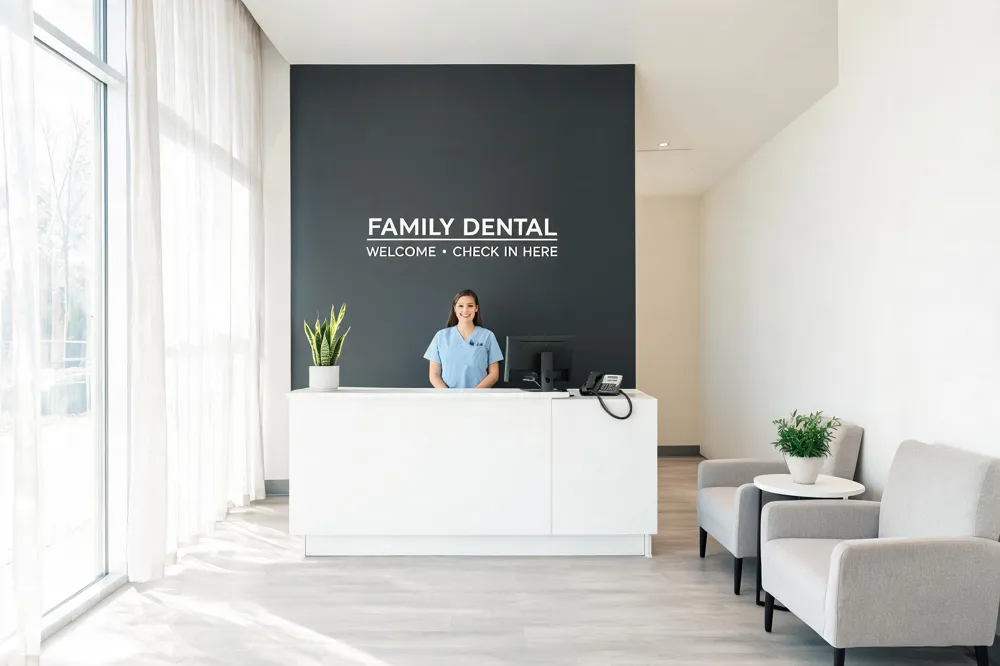
Why Choosing the Right Family Dentistry Practice Matters
Long‑term oral health benefits for every age group
A family dentist serves patients from toddlerhood through the senior years. Early visits, ideally by age one, prevent tooth decay and guide proper alignment of permanent teeth. For school‑age children, sealants and regular check‑ups protect developing molars. Adults benefit from gum disease monitoring, while seniors receive care for dry mouth, dentures, and age‑related conditions.
How a family dentist becomes the health hub for a household
One practice that treats multiple generations under one roof eliminates the hassle of referrals and separate specialists. The same team tracks each family member’s dental history, detects early signs of oral cancer, and coordinates care for anyone with chronic conditions like diabetes – linking oral health directly to overall well‑being.
The ripple effect of good dental habits on overall wellness
When parents model consistent brushing, flossing, and a low‑sugar diet, children adopt those habits naturally. Regular professional cleanings reduce gum disease, which is tied to lower risk of heart disease, respiratory infections, and pregnancy complications. A trustworthy family dentist educates the whole household, creating a lasting culture of health.
Key Facts: Choosing a Family Dentist
- Verify credentials – DDS/DMD degree, active state license, ADA membership, at least 5 years experience, specialty training, and ongoing education.
- Choose a practice that offers a one‑stop range: preventive, restorative, cosmetic, and specialty services under one roof.
- Essential preventive care includes routine exams, professional cleanings, sealants, and fluoride treatments.
- Restorative options should cover tooth‑colored fillings, crowns, bridges, and implants for functional and aesthetic repair.
- In‑office cosmetic services such as teeth whitening, veneers, and clear aligner therapy (e.g., Invisalign) add convenience.
- Modern technology – digital X‑rays, intra‑oral cameras, 3‑D scans, same‑day CEREC crowns, and AI‑assisted diagnostics improve safety and efficiency.
- A kid‑friendly environment features gentle staff, a play area, calming décor, sedation options, multilingual support, and full accessibility.
- Ensure transparent pricing: accept major insurance (Delta Dental, Anthem, Cigna), give up‑front estimates, and provide financing or payment plans.
- Look for convenient access – flexible hours, weekend/evening slots, online scheduling, and same‑day emergency appointments.
- Follow a proper oral hygiene routine: floss first, brush 2 minutes, rinse/tongue‑scrape, and schedule regular dentist visits.
1. Rule 1 – Verify Credentials, Experience & Ongoing Education
What qualifications should I look for in a family dentist?
When selecting a family dentist, you are choosing a long-term healthcare partner. The foundation of that trust is built on verified professional credentials.
Start by confirming the dentist holds an accredited DDS or DMD degree, a current state license, and membership in the American Dental Association (ADA). A practice led by a dentist with at least five years of clinical experience brings valuable expertise in handling both routine and complex cases. Additionally, look for specialty training in pediatric or adult care, which ensures the team can address the unique needs of every family member. A commitment to ongoing education, such as recent seminars or certifications, shows a dedication to providing modern, high-quality care.
2. Rule 2 – Demand a Full Spectrum of Services Under One Roof
A true family dentistry practice should act as a one-stop shop, providing comprehensive care for every life stage under a single roof. This eliminates the hassle of multiple referrals, saves time, and ensures continuity of care for your entire family.
Look for a practice that excels across several categories:
Preventive Care: This is the foundation of good oral health. A quality family dentist should offer routine exams, professional cleanings, dental sealants to protect children’s molars, and fluoride treatments for cavity prevention.
Restorative Treatments: When problems arise, the practice must provide solutions like tooth‑colored fillings, custom crowns, dental bridges, and implants to restore function and aesthetics. These services ensure that your family doesn’t need to visit a different specialist for basic repair work.
Cosmetic Options: Many families appreciate having aesthetic procedures available in the same office. Services like professional teeth whitening for adults, porcelain veneers, and clear aligner therapy (such as Invisalign) can address cosmetic goals without an external referral.
Specialty Services: A comprehensive practice will also handle more advanced needs. This can include orthodontics for teens and adults, TMJ disorder treatment to alleviate jaw pain, sleep apnea testing and therapy, and oral surgery for procedures like wisdom teeth removal. Having these under one roof is particularly valuable for busy families.
3. Rule 3 – Insist on Modern Technology and Accurate Diagnostics
How does advanced tech improve my family’s dental experience?
Modern technology fundamentally enhances your family’s dental visits by making them safer, faster, and more precise. Digital X-rays and AI-assisted imaging, for instance, provide detailed diagnostic images while significantly reducing radiation exposure compared to traditional film. This is especially beneficial for children who may require more frequent monitoring.
Intra-oral cameras and 3-D scans replace uncomfortable impressions with a quick, digital scan. These tools allow the dentist to project magnified images onto a monitor, helping you and your children see exactly what is happening in the mouth. This clear visual understanding often reduces anxiety and makes patients more informed partners in their care.
Technology also streamlines treatment. Practices using same-day CEREC crowns can fabricate a permanent crown in a single visit, eliminating the need for temporary ones and a second appointment. Digital impressions captured by a scanner are sent directly to an on-site milling machine, completing the crown in under two hours.
Finally, patient education is boosted by tools like virtual smile design software. These allow you to preview potential cosmetic outcomes before any work begins, ensuring you are confident and satisfied with the proposed treatment plan, which aligns with a practice’s commitment to keeping patients relaxed and informed.
| Technology | Benefit for You | Benefit for Your Family |
|---|---|---|
| Digital X‑rays | Lower radiation, clearer images | Safer for kids requiring frequent checks |
| Intra‑oral cameras | See what the dentist sees in real time | Reduces fear of the unknown for anxious patients |
| Same‑day CEREC crowns | No temporary crown, one appointment | Saves time for busy family schedules |
| Virtual smile design | Preview cosmetic results | Builds confidence and excitement for treatment |
A practice committed to these tools demonstrates a focus on accuracy, comfort, and convenience—three pillars that make a significant difference in your family’s overall dental experience. The integration of AI-assisted diagnostics further supports precise treatment planning and early detection of issues, minimizing the need for invasive procedures down the line.
4. Rule 4 – Prioritize a Patient‑Focused, Kid‑Friendly Environment
What makes a dental office comfortable for children and anxious adults?
A welcoming atmosphere, a trained pediatric team, and optional sedation create a stress‑free visit for all ages.
Gentle Pediatric Staff and Child‑Specific Language
Look for a practice with a team trained to communicate using gentle, age‑appropriate language. This approach helps children understand procedures without fear and encourages a positive long‑term attitude toward dental visits.
Calming Office Design, Music, and Play Area
A soothing environment with amenities like a dedicated play area, calming music, and kid‑friendly décor can significantly reduce anxiety for younger patients and their parents.
Sedation Options for Anxious Patients
For patients with dental anxiety, sedation dentistry (such as nitrous oxide or IV sedation) provides a safe way to receive necessary care while remaining relaxed and comfortable.
Multilingual Support and Accessibility Features
To serve diverse families, an ideal practice offers multilingual support and ensures physical accessibility for all patients, including those with disabilities or mobility challenges.
| Feature | Why It Matters | Examples in Practice |
|---|---|---|
| Gentle pediatric staff & child‑specific language | Reduces fear, builds trust | Dentists explain procedures in simple terms, use “tell‑show‑do” technique |
| Calming office design & amenities | Lowers anxiety, especially for children | Play areas, soothing music, child‑friendly waiting room |
| Sedation options | Enables care for anxious patients | Nitrous oxide, IV sedation for anxious patients |
| Multilingual support | Clear communication for all families | Staff fluent in English, Spanish, Russian, Portuguese |
| Accessibility features | Inclusive care for patients with disabilities | Wheelchair ramps, accessible treatment rooms |
5. Rule 5 – Ensure Transparent Pricing, Insurance Compatibility & Convenient Access
A family dental practice should make quality care affordable and accessible. Start by verifying they accept major insurance plans like Delta Dental, Anthem Blue Cross, and Connection Dental. This prevents surprise bills and simplifies coverage for routine and major procedures. For treatments not fully covered, clear cost estimates before any work begins help you plan financially without hidden fees.
Many practices also offer in-house financing or payment plans for larger restorative or cosmetic work. This flexibility ensures that necessary care for any family member isn’t delayed due to cost concerns.
Beyond pricing, look for features that fit a busy schedule. Flexible hours, including evening and weekend appointments, make it easier to attend regular check-ups. Same-day emergency appointments provide peace of mind for unexpected dental issues. An online scheduling system with automated reminders simplifies booking and helps your family stay on track with preventive care.
| Consideration | What to Look For | How It Helps Your Family |
|---|---|---|
| Insurance Accepted | Delta Dental, Anthem, Cigna, and other major plans | Reduces out-of-pocket costs and simplifies claims |
| Cost Transparency | Upfront estimates for treatments not fully covered | Avoids surprise bills and supports financial planning |
| Financing Options | In-house plans or third-party financing (e.g., CareCredit) | Makes restorative and cosmetic procedures affordable |
| Convenient Scheduling | Weekend, evening hours, and online booking | Fits appointments around school, work, and activities |
| Emergency Access | Same-day or next-day emergency slots | Provides prompt care for sudden tooth pain or injury |
What is a family dentist and what should I look for in one?

What is a family dentist?
A family dentist is a primary oral care provider for all ages, from young children to seniors. Unlike a general dentist who may focus on adults, a family dentist has the training and experience to treat toddlers, teens, adults, and the elderly under one roof. This offers significant convenience, as every family member can schedule appointments at the same location without needing multiple specialists.
Age-spanning expertise
When choosing a family dentist, look for a practice that explicitly serves all age groups. The best providers offer pediatric-friendly care for children, including gentle techniques and a comfortable atmosphere, as well as restorative and cosmetic options for adults and seniors. Ask if they have experience with anxious patients, as a practice that can manage dental fear is invaluable for families.
Patient-centered care and transparency
A strong patient focus is critical. The ideal family dentist treats you as an individual, taking time to explain treatments and build long-term trust. Transparency about costs is equally important; seek a dentist who clearly explains pricing, accepts flexible payment options like PPO plans, and is upfront about insurance coordination. Finally, consider practical factors like office hours, location near home or work, and credentials—look for a member of the American Dental Association who pursues ongoing education. This combination of comprehensive expertise, compassionate care, and financial transparency ensures your family finds a dependable dental home for years to come.
How can I find a good dentist near me?
Start with reviews and recommendations from trusted sources
Check online reviews on Google, Yelp, and Facebook to see what other families say about staff friendliness and quality of care. Personal referrals from friends, neighbors, or family members can also point you to practices where patients feel comfortable.
Make sure the practice offers services for every family member
Choose a dental office that provides a full range of preventive, restorative, and cosmetic options—from routine cleanings and exams to crowns, implants, and clear aligners. A one-stop practice saves time and reduces the need for referrals to multiple specialists.
Confirm insurance network coverage before scheduling
Verify that the dentist is in‑network with your dental insurance provider, such as Delta Dental, to simplify billing and keep out‑of‑pocket costs predictable.
Prioritize modern technology and convenient hours
Look for practices that use digital X‑rays, AI‑assisted imaging, and online scheduling tools. These features improve diagnostic accuracy and make appointments easier to fit into a busy family schedule.
How do I check a dentist’s background and credentials?
To check a dentist’s credentials, start with your state dental board’s license lookup for disciplinary records and licensure status. Confirm American Dental Association (ADA) membership for ethical standards. For advanced procedures, seek specialty accreditations like the American Academy of Cosmetic Dentistry (AACD). Finally, trustworthy practices like Laguna Beach Dental Arts display team qualifications and invite transparent patient review scrutiny.
What is the proper order for an oral hygiene routine?
Proper Order for an Oral Hygiene Routine
Flossing is the best first step, as it dislodges plaque and food debris from between teeth and under the gumline, areas a toothbrush cannot reach. This clears the way for fluoride toothpaste to better protect these surfaces.
Next, brush for a full two minutes using a soft-bristled brush and fluoride toothpaste. Clean all tooth surfaces and gently brush your tongue to reduce bacteria. A mouthwash or water rinse after brushing can remove any loosened debris, but some experts suggest a quick rinse before brushing to help fluoride absorb more effectively, followed by a final rinse after. A tongue scraper can further improve freshness.
Regular professional cleanings and exams are crucial. The CDC recommends adults visit a dentist at least once a year, but for most families, a six-month schedule supports early detection and prevention of gum disease and cavities. A family dentist can tailor this interval to individual risk, making professional care the essential final step in a complete routine.
| Step | Action | Why It Matters |
|---|---|---|
| 1 | Floss first | Removes hidden plaque and food debris between teeth. |
| 2 | Brush for two minutes | Fluoride paste protects all tooth surfaces; tongue cleaning reduces bacteria. |
| 3 | Rinse and/or scrape | Removes lingering debris and bacteria for fresher breath. |
| 4 | See your dentist regularly | Professional care detects issues early and reinforces habits. |
What are the best ways to keep your teeth healthy naturally?
To maintain strong, healthy teeth naturally, focus on these foundational habits.
Fundamental brushing and flossing
Brush twice daily for two minutes with a fluoride toothpaste and floss once a day to remove plaque. This baseline routine mechanically disrupts bacteria before they can cause decay or gum disease.
Oil pulling technique
Swish one tablespoon of coconut or sesame oil in your mouth for 15–20 minutes each morning. This ancient practice helps reduce oral bacteria and supports gum health through a gentle, natural cleansing action.
Whole‑foods diet and mineral support
Prioritize a whole‑foods diet rich in calcium, phosphorus, and fat-soluble vitamins A, D, and K2—found in leafy greens, dairy, and grass-fed animal products. These nutrients support enamel remineralization and overall oral wellness.
Limiting sugars and snacking
Reduce consumption of refined sugars and frequent snacking. Each sugary exposure feeds harmful bacteria and triggers acid attacks; limiting snacking gives your mouth time to neutralize acids and remineralize.
| Habit | Description | Benefit |
|---|---|---|
| Brushing & flossing | Brush 2x/day with fluoride toothpaste; floss daily | Removes plaque, prevents cavities |
| Oil pulling | 15–20 min swish with coconut/sesame oil | Reduces bacteria, supports gum health |
| Whole‑foods diet | Emphasizes calcium, vitamins A, D, K2 | Strengthens enamel, promotes remineralization |
| Limit sugars & snacking | Avoid refined sugars and frequent eating | Reduces acid attacks and decay risk |
These strategies, practiced consistently, strengthen enamel, prevent decay, and promote lasting oral wellness without relying on artificial products.
What are the best ways to take care of your teeth at home?
Two‑minute brushing with proper technique
Brush twice a day for two full minutes using a soft‑bristled brush and fluoride toothpaste. Use small circular motions along the gum line to remove plaque without damaging gums.
Daily flossing and alternatives
Floss daily to clean between teeth where a brush cannot reach. If traditional floss is difficult, consider interdental brushes, oral irrigators, or floss holders—the best method is the one you will use regularly.
Tongue cleaning and mouthwash
Brush your tongue or use a tongue scraper each time you brush to remove bacteria and freshen breath. Rinse with water after flossing; an antiseptic mouthwash can add extra protection against decay and gum disease.
Toothbrush replacement schedule
Replace your toothbrush every three to four months, or sooner if bristles become frayed. A worn brush cleans less effectively and may harbor bacteria.
What oral health tips are recommended for adults?
Adults should brush twice daily with a fluoride toothpaste for two minutes to prevent decay. Daily flossing and drinking fluoridated tap water help remove plaque and protect enamel.
Tobacco use and excessive alcohol consumption raise the risk of oral cancer and gum disease; avoiding them is crucial. Managing chronic conditions like diabetes is also important, as they can worsen gum health.
To address dry mouth caused by medications, stay hydrated and chew sugarless gum. Schedule professional exams and cleanings at least once a year for early detection and prevention, including oral cancer screenings.
For personalized advice and a full range of preventive care, a practice like Laguna Beach Dental Arts can support your family’s overall wellness.
Take the Next Step Toward a Healthy Smile
Your Family’s Dental Home Starts Here
The next step is to schedule a meet‑and‑greet. Visit the practice to assess the environment, comfort level, and technology firsthand. A welcoming atmosphere and modern equipment like digital X‑rays signal quality care.
Before your first appointment, confirm insurance compatibility and ask about payment plans. Transparent financial options remove barriers to consistent care.
Finally, commit to regular six‑month check‑ups and reinforce daily habits—brushing twice a day, flossing, and a balanced diet. A preventive approach protects every family member’s smile for years to come.