
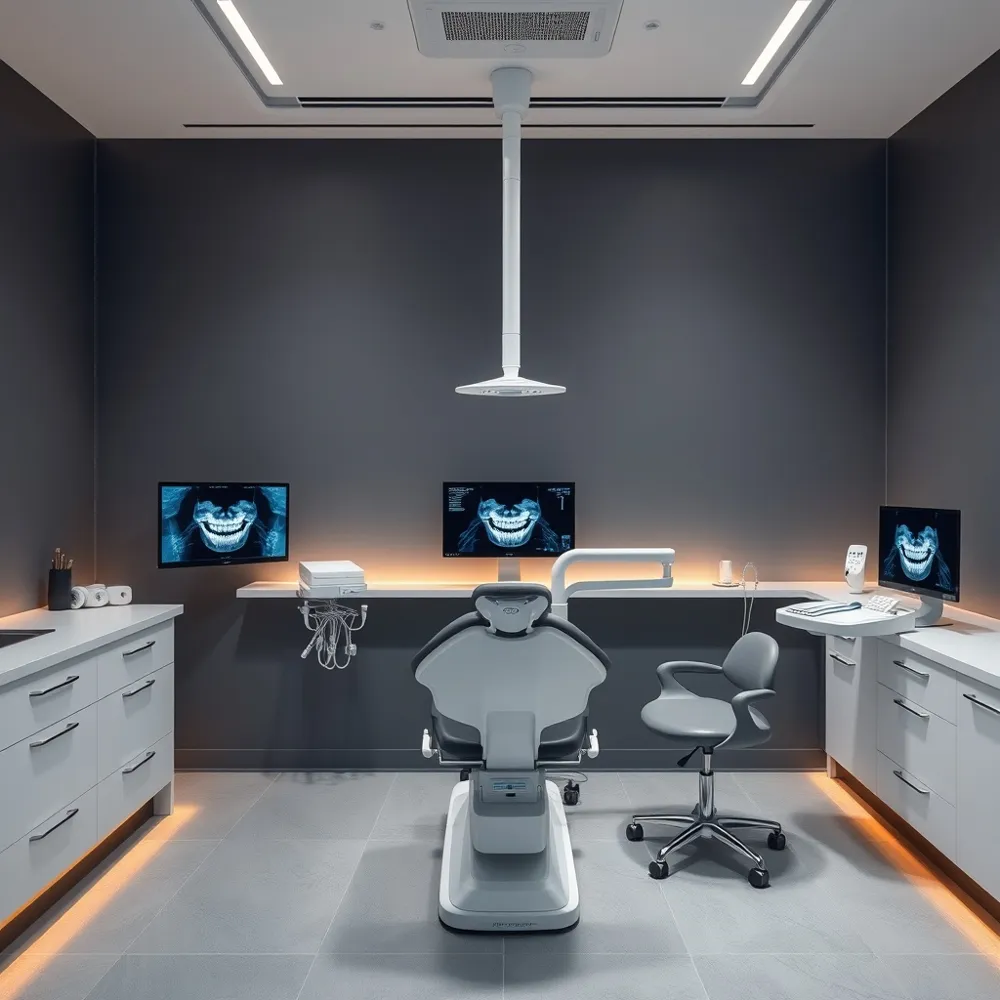
Modernizing Patient Care Through Advanced Digital Technology
Modern dentistry is shifting away from purely subjective interpretation toward precise, data-driven diagnostics. At Laguna Beach Dental Arts, this evolution is central to our practice. By integrating advanced technology like AI-assisted imaging and digital diagnostics, we provide a standard of care that blends clinical expertise with machine-level precision to ensure every patient receives the most accurate assessment possible.
Traditional diagnostic methods often rely on 2D images, which can be limited by overlap, distortion, or the inability to see subtle anomalies that may be missed during manual review. While clinicians have always provided high-quality care, the addition of artificial intelligence acts as a powerful analytical partner. These tools process radiographs in seconds, identifying early signs of decay, bone loss, or structural fractures that might otherwise remain opaque to the human eye.
Diagnostic accuracy remains the foundation of long-term oral health. When practitioners have access to objective, annotated radiographic data, they can catch conditions in their early stages, opting for minimally invasive interventions rather than reactive, complex procedures. At Laguna Beach Dental Arts, we use these insights to turn complex scans into clear, visual explanations. This process empowers our patients, helping them understand their health status and feel confident in the treatment paths we create together.
Understanding the Role of Artificial Intelligence in Dentistry
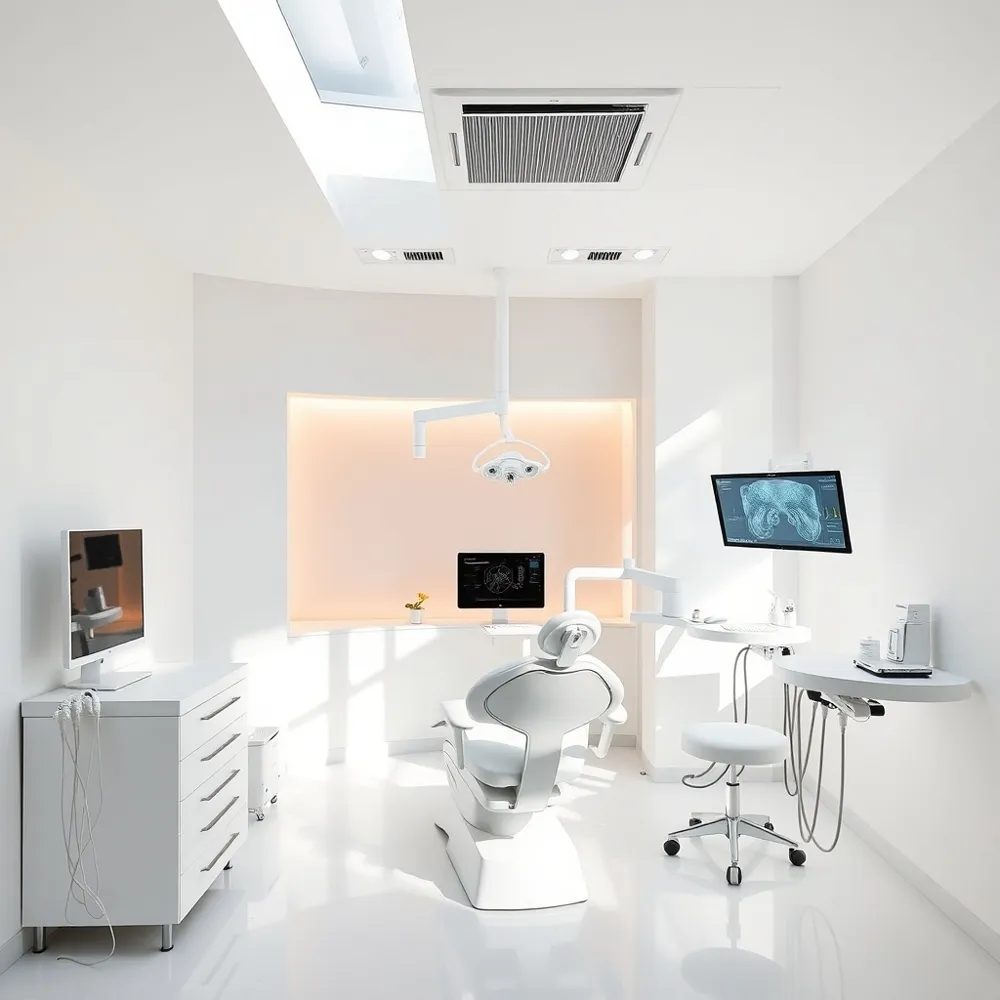
Modern dentistry is shifting away from subjective radiographic interpretation toward precise, data-driven diagnostics. Artificial intelligence in this context acts as an augmented intelligence tool that keeps the dental professional at the center of all decision-making, rather than a replacement for clinical expertise. Per the American Dental Association, these algorithms are specifically designed to assist clinicians by providing a second set of eyes on complex imaging data.
At Laguna Beach Dental Arts, we incorporate advanced AI-assisted imaging and digital diagnostics to elevate our standard of care. Unlike the limitations inherent in traditional 2D radiography, such as image overlap and distortion, deep learning models like convolutional neural networks analyze pixel-level data to detect dental caries, bone loss, and structural fractures with high precision. Research indicates that AI-powered tools can detect as many as 32% more tooth surfaces with decay compared to manual review alone.
What are the primary advantages of using artificial intelligence in modern dentistry?
Artificial intelligence significantly enhances diagnostic accuracy by utilizing advanced algorithms to identify subtle patterns in X-rays, CT scans, and intraoral images that may be overlooked by the human eye. Beyond diagnostics, AI enables proactive care by analyzing patient history and data to predict dental issues, such as early-stage caries or periodontal disease, before they escalate. Administrative efficiency is also greatly improved, as AI automates routine tasks like appointment scheduling and record-keeping, allowing our team to devote more time to direct patient care. Furthermore, AI supports personalized treatment planning by processing comprehensive patient data to suggest the most effective and predictable clinical pathways. Ultimately, these integrated technologies work as powerful tools that complement human expertise, creating a more consistent, accurate, and streamlined experience for patients.
While human-AI collaboration in diagnostics leads to more reliable clinical outcomes than human assessment alone, it remains a supportive technology. Even sophisticated platforms like the Diagnocat AI system require clinician verification to ensure patient safety and address potential misclassifications. By leveraging these tools, we ensure that every treatment decision at Laguna Beach Dental Arts is backed by objective, quantifiable evidence.
Bridging the Gap in Radiographic Clarity

Traditional 2D dental imaging, such as periapical and panoramic radiographs, often faces technical hurdles. These methods frequently suffer from image overlap, distortion, and the inability to clearly differentiate between buccal and lingual surfaces, which can complicate accurate diagnosis. At Laguna Beach Dental Arts, we utilize Pearl AI to address these limitations. By applying deep-learning models, such as convolutional neural networks, this software analyzes radiographs at the pixel level to filter out anatomical noise and identify patterns that might otherwise be missed or obscured.
These advanced algorithms serve as a critical diagnostic assistant, providing clinicians with an objective second set of eyes. While automated systems like those analyzed in recent scientific research show high per-tooth accuracy, they function best as an assistive tool to support clinical oversight. By automating the identification of anomalies like incipient caries or bone loss, providers can maintain a consistent diagnostic standard regardless of the specific imaging sensor used.
How does AI enhance the interpretation of dental X-rays?
Artificial intelligence enhances dental X-ray interpretation by serving as a highly precise support tool that assists dentists in identifying critical conditions such as caries, bone loss, and periapical lesions. By utilizing specialized algorithms, these systems consistently achieve accuracy rates exceeding 90% in clinical studies, providing a reliable second opinion for diagnostic findings. Beyond clinical accuracy, AI significantly improves the patient experience by transforming complex, often illegible radiographic images into clear, annotated visuals that are easy to understand. This technology helps bridge the gap between dental findings and patient comprehension, empowering individuals to take an active role in their own oral health. Ultimately, integrating AI into the diagnostic process leads to more consistent care, reducing the likelihood of missed pathologies and ensuring more transparent treatment planning.
| Challenge | AI Solution | Clinical Benefit |
|---|---|---|
| 2D Distortion | Automated segmentation | Precise 3D modeling |
| Human Fatigue | Consistent detection | Higher sensitivity |
| Sensor Variance | Image harmonization | Standardized reports |
Enhancing the Patient Experience through Visual Communication
Modern dentistry is shifting away from purely subjective interpretation toward precise, data-driven outcomes. At Laguna Beach Dental Arts, we incorporate AI-assisted imaging and digital diagnostics to ensure patients have a clear understanding of their health. Unlike traditional manual review, which can vary based on clinician fatigue or human error, advanced systems like Pearl AI provide an objective, data-backed second set of eyes on every digital radiograph.
Does the integration of AI in diagnostic imaging improve the patient experience?
Yes, the integration of AI in diagnostic imaging significantly improves the patient experience by enhancing both the speed and accuracy of clinical assessments. By utilizing advanced technologies like convolutional neural networks, dentists can achieve higher precision in identifying anomalies, which leads to more reliable, data-backed clinical diagnoses. This increased efficiency reduces appointment waiting times and facilitates faster treatment planning. Furthermore, AI helps bridge the communication gap by generating clear, visual data that empowers patients to better understand their own oral health. Ultimately, this technology fosters a more transparent and personalized dental experience, ensuring patients feel more informed and confident in their treatment paths.
One of the most practical applications of this technology is the use of color-coded overlays. These visual aids transform abstract grayscale images into intuitive diagrams that highlight potential areas of decay or bone loss. Because these tools provide objective evidence, they significantly boost patient case acceptance—with studies showing that patients are much more likely to follow through with treatment plans when they can personally visualize the condition in question. This evidence-based support removes much of the ambiguity that can cause dental anxiety.
Building patient trust has become simpler with the adoption of such advanced augmented intelligence workflows. By moving toward a model where patients serve as informed partners in their diagnostic process, dental practices can foster a more comfortable environment. At Laguna Beach Dental Arts, we leverage this FDA-cleared technology not to replace dental expertise, but to enhance the transparent communication that defines high-quality, patient-focused care.
Clinical Applications from Implants to Periodontics
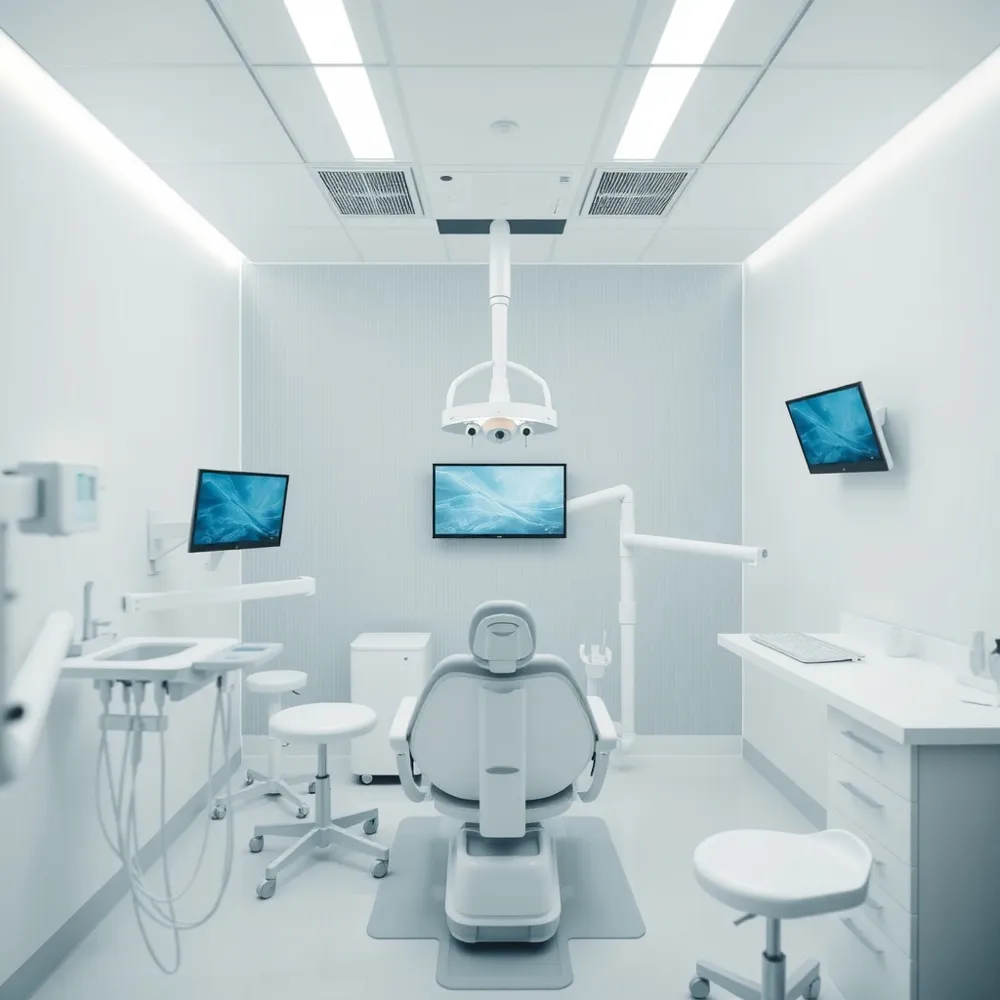
Modern implantology and periodontics rely on high-precision data to ensure predictable, long-term success. At Laguna Beach Dental Arts, we utilize AI-assisted imaging to perform advanced image segmentation, accurately isolating tooth structures and alveolar bone from complex anatomical backgrounds. This foundation is critical for precise 3D modeling, which allows our team to plan implant placement with surgical accuracy that far exceeds manual estimation.
The precision offered by current digital tools goes beyond simple visualization. AI platforms can measure the bone level from the cementoenamel junction to the bone crest with millimeter-level accuracy, providing objective data for tracking the progression of periodontal disease. While some systems rely on automated assessments that may struggle with anatomical superimposition in posterior regions per Nature, our focus is on using these insights as a robust decision-support tool. This integration allows us to identify incipient caries and potential oral cancer risks early, often before they become apparent during routine clinical examination.
By shifting from reactive diagnostics to data-driven proactive care, these technologies enable us to preserve natural tooth structure. As noted in research from the American Dental Association, the goal of augmented intelligence is to assist, not replace, experienced clinicians. By combining this machine precision with expert human review, we ensure that every treatment plan, from complex full-mouth implants to routine monitoring of periodontal health, is tailored specifically to the unique needs of our patients.
| Application | AI Capability | Clinical Benefit |
|---|---|---|
| Implant Planning | 3D Segmentation | Optimized placement |
| Periodontics | CEJ measurements | Disease tracking |
| Early Detection | Anomaly screening | Conservative care |
The Human Element and Future of AI-Driven Dentistry
Artificial intelligence serves as a powerful diagnostic and supportive tool in modern dentistry, offering benefits such as enhanced accuracy in detecting cavities, improved orthodontic planning, and streamlined office efficiency through advanced imaging. Patients can feel more confident in their care knowing that these technologies provide early, data-backed insights into their oral health. However, it is essential to understand that AI is intended to assist—not replace—the professional clinical judgment and personal touch of your dentist. While AI can optimize workflows and surgical precision, the human element remains vital for interpreting results and tailoring treatments to your unique needs. Ultimately, the integration of AI at Laguna Beach Dental Arts is designed to elevate the patient experience by blending technological innovation with the high level of personalized care you expect.
Navigating the Performance Gap
While machine learning models often achieve high precision at the individual tooth level—sometimes reaching up to 99.9% accuracy in specific tasks—they occasionally face a performance gap when generating comprehensive, full-mouth diagnostic reports. A 2026 study in Scientific Reports found that while individual findings are highly reliable, creating an error-free, ‘perfect match’ diagnostic summary remains a challenge. This discrepancy is often due to anatomical complexities, such as root canal filling markers or bone superimposition, which can confuse automated systems.
This reality reinforces why the American Dental Association emphasizes the role of the dentist as the definitive decision-maker. At Laguna Beach Dental Arts, our practitioners use Pearl AI as a sophisticated second reader. The platform serves as a digital assistant, freeing up our team to focus on the nuances of patient history and treatment goals that no algorithm can yet grasp. By acting as a validator for machine-generated data, our dentists ensure that every aspect of a treatment plan meets the highest clinical standards.
The Next Frontier: Real-Time Insights
Future advancements in dental technology move toward full clinical integration and real-time predictive analytics. Researchers foresee a landscape where AI-enhanced imaging provides instant diagnostic feedback during the procedure itself, allowing for seamless updates to patient charts and automated insurance documentation. As these systems evolve, the goal remains clear: leveraging deep learning models to predict disease progression before it becomes critical. By integrating these tools into our practice, we remain committed to a proactive, evidence-based approach that prioritizes your comfort, health, and long-term diagnostic accuracy.
Committed to Excellence through Intelligent Care
At Laguna Beach Dental Arts, we believe that the most effective dental care lives at the intersection of advanced technology and human compassion. While innovations like Pearl AI allow us to detect dental caries or subtle bone loss with remarkable precision, these tools serve primarily as an extension of our commitment to you. By integrating machine-driven insights as a second set of eyes, we ensure that every diagnosis is backed by data, yet remains centered on your unique health goals.
The American Dental Association highlights that augmented intelligence is designed to assist, not replace, the experienced clinician. This approach provides our community with numerous advantages. Beyond the improved accuracy of our diagnostic process, our digital-led framework emphasizes visual transparency. By using annotated radiographic overlays, we help you understand your oral health in real time, a method shown to improve patient trust and significantly increase treatment acceptance.
Modern dentistry should feel proactive, not overwhelming. Whether you are visiting us for a routine cleaning or complex restorative work, the integration of digital diagnostics means your treatment plan is tailored specifically to your anatomy. We invite you to experience a new standard of care where transparency is the default and technology works to ensure your smile remains both healthy and aesthetically vibrant for years to come. Your journey toward a more predictable, comfortable dental experience begins with a conversation about your needs and our dedication to clinical excellence.