
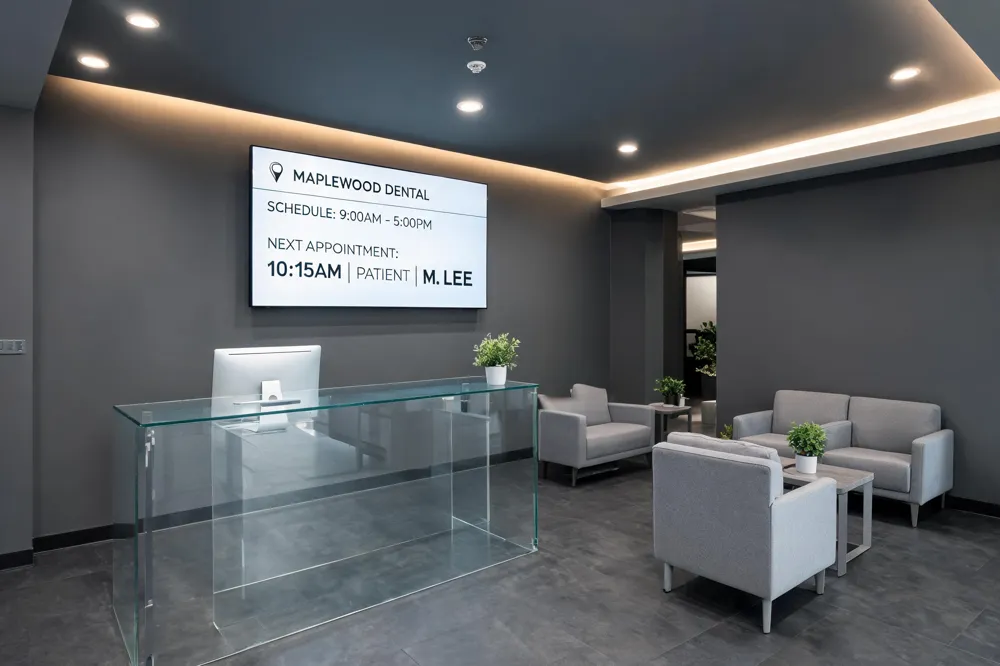
Why Transparent Booking Is the New Standard for Modern Dentistry
From Phone Calls to Clicks: How Modern Patients Book Dental Visits
How do you make an appointment at a dentist’s office?
The traditional way to book a dental appointment is to call the office during business hours. You need to identify yourself as a new or returning patient, state the reason for your visit (e.g., checkup or a specific concern), and provide personal details like your full name, date of birth, and insurance information. Be ready to share your medical history and preferred appointment times. While this method works, it often involves hold times and limited office hours.
Step-by-Step Online Self-Scheduling
Modern practices let patients skip the phone call entirely through online booking. The process is straightforward:
- Visit the practice’s website or a platform like Zocdoc.
- Select the type of visit (cleaning, consultation, etc.).
- View available time slots in real time.
- Choose a slot and click to book.
- Provide necessary information (see below).
- Receive an instant confirmation via text or email.
This digital workflow acts as an “always‑on” receptionist, capturing appointments even when the office is closed.
Information Required at the Time of Booking
When booking online, patients typically provide details through digital intake forms. This includes their name, date of birth, contact information, and insurance plan. Some systems allow you to complete medical history and consent forms in advance, reducing in‑office paperwork and wait times.
Comparison with Traditional Phone Scheduling
| Feature | Traditional Phone Scheduling | Modern Online Scheduling |
|---|---|---|
| Availability | Limited to office hours (e.g., 9 AM–5 PM) | 24/7, including nights and weekends |
| Patient Experience | Often involves long hold times and frustration | Fast, self‑service with no hold times |
| Booking Confirmation | Manual; risk of miscommunication | Instant confirmation and automated reminders |
| Double‑Booking Risk | Higher due to manual entry | Eliminated with real‑time calendar sync |
| New Patient Entry | Over phone; prone to errors | Self‑filled forms; accurate data entry |
Benefits of Real-Time Availability
Real‑time availability gives patients immediate insight into open slots. This transparency is a major advantage. Research shows 40% of online bookings are for the same or next day, helping fill the schedule quickly. When patients see concrete options, they can plan around their own calendars, leading to higher satisfaction. Furthermore, patients who schedule online are nearly 9% more likely to keep their appointment, reducing costly no‑shows. This approach saves staff up to 30 minutes per patient and allows the front desk to focus on higher‑value tasks.
| Benefit | Impact |
|---|---|
| Patient Control | Less phone tag; choose preferred times |
| Reduced No‑Shows | Up to 90% fewer missed appointments with automated reminders |
| Staff Efficiency | Saves 15–30 mins per patient scheduling |
| Patient Acquisition | Integrates with Google, Yelp, and social media |
| Revenue Growth | Bookings outside office hours; higher retention |
In short, modern patients expect the same ease they get from other services—booking a dental visit should be as simple as clicking a button. Moving from phone calls to clicks meets this demand and improves the practice’s bottom line.
Elevating the Patient Journey: Strategies to Boost Experience
How can dental offices improve patient experience through clear communication and transparent pricing?
Fostering open communication is a cornerstone of a positive dental experience. Clearly explaining procedures, using visual aids to illustrate diagnoses, and providing transparent pricing before treatment starts can significantly reduce patient anxiety and build trust. Reviews frequently praise practices that are “transparent about costs,” reinforcing that this approach strengthens the patient-provider relationship.
What role does the physical environment and technology play in patient comfort?
Creating a welcoming physical environment is a powerful strategy. Amenities such as calming music, comfortable seating, and kid-friendly spaces help patients feel at ease. This comfort is amplified by technology touchpoints like streamlined online scheduling, digital forms fillable at home, and same-day emergency care, which enhance convenience and reduce perceived wait times. Efficient digital processes create a smooth journey from booking to visit completion.
Why are staff training and personalized follow-up critical for loyalty?
Training staff to provide friendly, attentive, and professional service is essential for a positive visit. This human touch encourages return visits. Personalized follow-up, such as automated post-procedure instructions or patient recall campaigns for routine care, shows patients they are valued. When combined with patient education, these efforts strengthen loyalty and support better long-term health outcomes. The table below summarizes core improvement areas.
| Improvement Area | Key Strategy | Patient Benefit |
|---|---|---|
| Communication | Clear explanations & transparent pricing | Reduced anxiety & increased trust |
| Physical Environment | Calming décor & amenities (music, Wi-Fi) | Enhanced comfort & relaxation |
| Technology Touchpoints | Online scheduling & digital check-in | Greater convenience & efficiency |
| Staff & Follow-up | Friendly service & personalized outreach | Stronger loyalty & retention |
The Rise of Integrated Booking Platforms
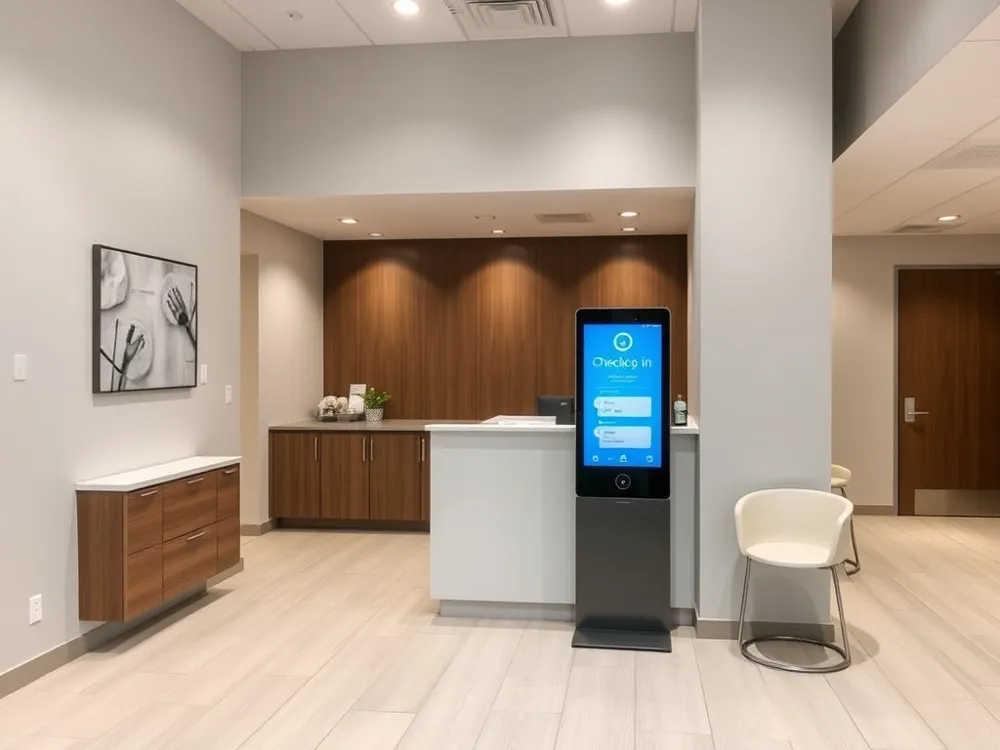
Connected dentistry integrates data, devices, and people for better outcomes.
Combining radiographs, 3D imaging, and records on one platform.
Seamless link between diagnostics and workflow.
Digital imaging and planning start the connected approach.
Analogy: digital steps before the hands‑on procedure.
AI‑driven endodontic assessment and motor tracking.
Begin with a CBCT unit and an intraoral scanner.
Ensuring scanner, imaging, software, and lab compatibility.
Improved efficiency: shorter visits and reduced chair time.
Patient confidence grows when they see scans and plans.
Predictive preventive care through longitudinal scans.
AI‑enabled predictive dentistry on a DS Core backbone.
Start small: digitize one workflow and expand.
Investing in connectivity as a growth engine for practices.
Meeting patient expectations for connected experiences.
Digital Radiography: Why the Shift Matters
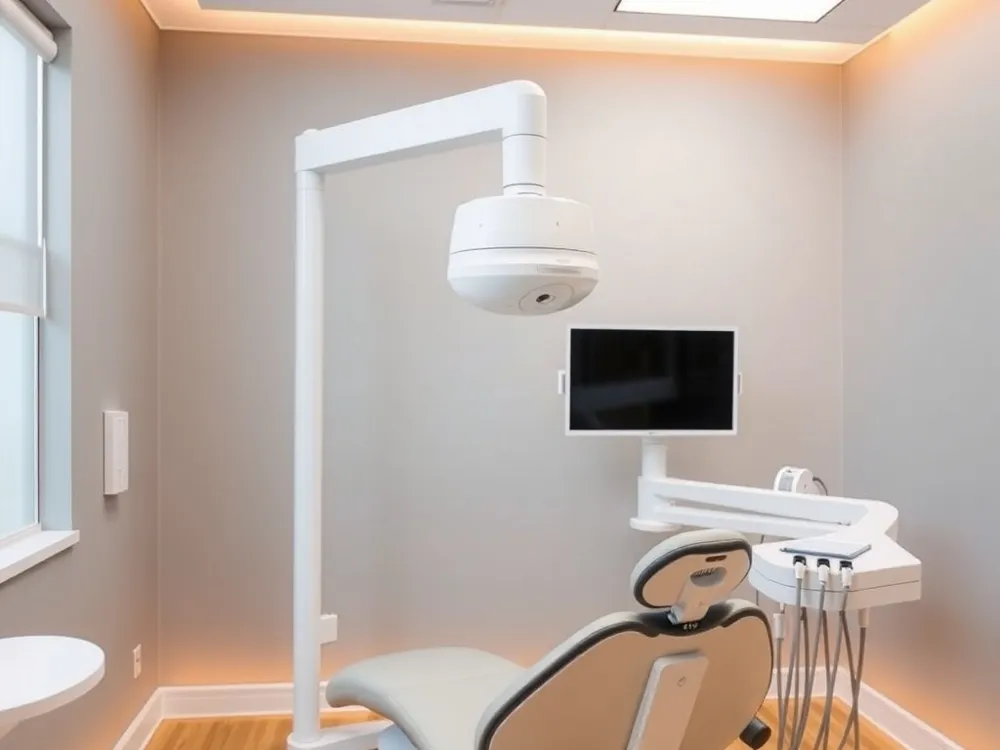
What is the primary advantage of digital dental radiographs over traditional film‑based radiographs?
Digital radiographs have become the modern standard primarily because of their remarkable safety and efficiency gains. The most significant advantage is a drastic reduction in radiation exposure—by up to 90% compared to traditional film—making them safer for patients who require frequent imaging. Beyond safety, digital sensors capture images instantly, eliminating the need for chemical processing and allowing on‑screen manipulation of contrast, brightness, and magnification for enhanced diagnostic accuracy.
Instant image capture and manipulation
Digital technology provides immediate image feedback, allowing dentists to adjust exposure and retake images on the spot if needed. The ability to zoom, adjust contrast, and invert colors on a high‑resolution screen helps reveal subtle pathologies that might be missed on a static film radiograph.
Electronic storage and sharing
Unlike bulky film archives, digital images are stored electronically in a patient’s record, enabling easy retrieval and seamless sharing with specialists or insurance providers. This streamlines collaboration, reduces physical storage needs, and facilitates faster, more informed treatment decisions.
Integration with AI‑assisted diagnostic software
A transformative benefit of digital radiography is its compatibility with AI‑assisted diagnostic software. Algorithms trained on millions of images can instantly flag early‑stage caries, measure bone levels, and detect periapical lesions. This integration acts as an objective “second reader,” improving diagnostic consistency and supporting earlier, more accurate treatment planning.
| Feature | Traditional Film | Digital Radiography | AI‑Enhanced Digital Radiography |
|---|---|---|---|
| Radiation Exposure | Higher dose | Up to 90% reduction | Same low dose |
| Image Processing | Chemical development required | Instant capture & manipulation | Same instant capture |
| Image Analysis | Manual viewing only | On‑screen review & annotation | Automated detection & overlays |
| Storage & Sharing | Physical filing, time‑consuming | Electronic, easily shared | Integrated with cloud & PMS |
| Diagnostic Capability | Static, subjective | Enhanced contrast & zoom | Consistent, objective detection |
AI as a Co‑Pilot in Diagnostic Imaging
Standardizing the First Pass with AI-Powered Analysis
Artificial intelligence enhances diagnostic imaging by applying deep-learning models, such as convolutional neural networks, to automatically analyze radiographs. These algorithms can detect cavities, fractures, and periodontal disease with high precision. They also use region detection to identify individual teeth, which can automate dental chart creation and improve treatment planning.
FDA‑Cleared Solutions in Practice
Clinically validated dental AI platforms, like Overjet, have earned FDA clearance for both caries detection and bone-level measurement on 2D radiographs. This regulatory benchmark assures practitioners of a product’s safety and reliability. Overjet’s AI engine can highlight areas of decay or bone loss in real time, functioning as a trusted “second reader” that augments—rather than replaces—clinical judgment.
Real‑Time Overlays and Their Impact on Case Acceptance
AI-powered overlays on bitewing and periapical X-rays transform grayscale X-rays into clear, actionable visuals. By presenting patients with highlighted pathology during consultations, these tools shift discussions from persuasion to understanding. Practices adopting such overlays have reported a 10–20% increase in case acceptance with AI imaging, as patients can see and comprehend their oral health issues more readily, leading to higher trust and adherence.
Standardizing Care Across Providers
AI-assisted diagnostic support for dentists standardizes the diagnostic process by applying the same criteria to every image, regardless of clinician experience or fatigue. This consistency is especially valuable for multi-location practices. It reduces diagnostic variability, supports quality assurance efforts, and provides a reproducible baseline for monitoring longitudinal changes, thereby promoting uniform, high‑quality care. | Benefit | Description | Impact | |— |— |— | | Diagnostic accuracy | Detects subtle pathology early | Reduces oversight risk | | Case acceptance | Visual overlays aid patient understanding | 10–20% increase | | Standardization | Uniform criteria across providers | Reduces variability | | Efficiency | Automates charting and reporting | Saves chair time |
Cosmetic Solutions in General Practice: Veneers Explained
Does a general dentist perform veneers? Training and qualifications
Many general dentists perform veneers, especially after pursuing additional training in cosmetic dentistry. While a general dentist is qualified to handle the entire process from assessment to placement, their artistic skill and experience can vary. For natural-looking results, choose a dentist with a proven track record in cosmetic procedures. Cosmetic dentists and prosthodontists specialize more deeply in aesthetics, but a well-trained general dentist can also deliver high-quality veneers.
Patient selection and consultation: Who makes a good candidate?
Ideal candidates have healthy teeth and gums, good enamel, and realistic expectations. During the consultation, your dentist will evaluate smile symmetry, tooth spacing, and alignment. They will discuss your aesthetic goals, color preferences, and the subtle changes achievable with veneers. This planning stage is crucial for a satisfying outcome.
Case documentation and before-after photography
Proper documentation is vital. High-resolution photos and digital scans of your current smile create a baseline. Your dentist uses this documentation to plan the veneers’ shape, size, and shade. After placement, new photos verify the result and serve as a record for future care. Reviewing before-and-after photos of past cases helps set realistic expectations.
| Patient Criteria | Ideal Candidate Characteristics | Evaluation Method |
|---|---|---|
| Oral Health | Healthy gums, no active decay | Clinical exam, X-rays |
| Enamel Condition | Sufficient enamel for bonding | Visual inspection, photos |
| Aesthetic Goals | Realistic expectations | Discussion, smile design |
| Past Cases | Proven dentist experience | Review before-after photos |
Smile Design Geometry: Decoding the 50‑40‑30 Rule
Understanding the 50-40-30 Rule in Smile Design
The 50-40-30 rule is a cosmetic guideline used in smile design to create natural-looking proportions among the upper front teeth. When viewing the smile from the front, the contact area between the two central incisors should be about 50% of the tooth length, the contact between the central and lateral incisor about 40%, and the contact between the lateral incisor and canine about 30%. This proportional relationship helps avoid unsightly “black triangles” and gives a balanced, youthful appearance.
Application to Veneer and Bonding Cases
This geometric rule is a valuable tool for planning veneers, bonding, and full smile makeovers. By guiding the placement of interproximal contacts, dentists can ensure a harmonious result that looks both natural and aesthetically pleasing. It helps in creating a seamless flow from tooth to tooth.
Relationship to Other Cosmetic Guidelines
The 50-40-30 rule works in conjunction with other smile design principles, such as the golden proportion and the rule of thirds. While the golden ratio focuses on width relationships, this rule specifically addresses the vertical positioning of contact points. | Principle | Focus | Contribution to Smile Harmony |
|———–|——-|——————————-|
| 50-40-30 Rule | Vertical contact point placement | Eliminates black triangles, creates natural embrasures |
| Golden Proportion | Horizontal width ratios | Ensures balanced tooth size from central to canine |
| Rule of Thirds | Overall facial symmetry | Aligns smile components with facial thirds |
Insurance Realities: Why Some Dentists Exit Delta Dental PPO

Why Are Some Dentists Leaving Delta Dental PPO Networks?
Many dentists are exiting Delta Dental PPO networks due to stagnant reimbursement rates. Annual maximums have remained capped at $1,000 to $2,000, far below the rising costs of modern practice. This creates a significant affordability gap for practices, as reimbursements have barely increased since the 1970s, while overhead, technology, and material costs have soared.
Stagnant Reimbursement and Administrative Burden
The administrative burden and claim denials are also major factors. Dentists report that restrictive insurance plans impose unnecessary paperwork and frequent denials that interfere with personalized care. This administrative friction, combined with stagnant pay, can force practices to cut corners, which many independent dentists refuse to do.
Impact on Treatment Autonomy
Leaving the network allows dentists to prioritize treatment autonomy and individualized care without insurance interference. This shift aligns with a patient-focused model where clinicians can recommend the best materials and procedures, not just those covered under a restrictive plan.
Alternatives for Patients
Patients with Delta Dental PPO can often still use their benefits out-of-network. This allows them to receive comparable or even better care at independent practices, avoiding corporate dental chains and supporting a model that values personalized treatment and sustainable operations. The result is greater choice for informed consumers. | Factor | Impact on Dentist | Patient Alternative |
| — | — | — |
| Stagnant Reimbursement | Difficulty covering modern practice costs | Use out-of-network benefits |
| Administrative Burden | Increased paperwork and claim denials | Seek practices focused on patient care |
| Treatment Autonomy | Restriction on personalized care | Access to broader treatment options |
Future Outlook: Transparent Booking Meets Teledentistry and Clear Aligners
How is the clear‑aligner market expected to grow, and what cost advantages do they offer?
The clear‑aligner market is projected to reach $30.2 billion by 2030, growing at a compound annual rate of 29.5% from 2022 to 2030. This rapid expansion reflects strong patient demand for discreet, convenient orthodontic solutions. Clear aligners can cost up to 40% less than traditional braces, a price advantage that practices can further enhance by reducing administrative overhead through automated, transparent online appointment scheduling.
Why is teledentistry considered a table‑stakes service in modern dental practices?
Teledentistry adoption accelerated during the COVID‑19 pandemic and is now considered essential for staying competitive. Approximately 78% of patients indicated they were likely to set a virtual dental appointment, and 60% believe there is an affordability gap in dental care. Integrating remote consultations with transparent online booking allows practices to expand patient access and offer cost‑effective care, turning teledentistry into a baseline patient expectation rather than a differentiator.
How do hybrid care models reduce chair time and improve efficiency?
Hybrid care models, which blend in‑office visits with virtual check‑ins, have proven to reduce chair time, increase efficiency, and improve patient convenience. These benefits are amplified when appointments are scheduled transparently online. For example, clear‑aligner treatments using platforms like CandidPro enable remote monitoring via smartphone, allowing patients to send progress photos and significantly reducing the number of required office visits.
What role does AI‑driven predictive analytics play in reducing no‑shows?
AI‑powered predictive analytics can forecast which patients are likely to miss appointments, enabling practices to proactively send targeted reminders or suggest alternative slots. Machine‑learning models such as Decision Trees, Random Forest, and Multilayer Perceptron have demonstrated strong predictive performance—achieving up to 81% precision and 93% recall in identifying no‑shows. By flagging at‑risk patients, these tools help clinics optimize schedules and reduce revenue loss from missed appointments.
How do cloud‑based practice management systems and patient portals enhance transparent booking?
Cloud‑based practice management systems centralize scheduling, billing, treatment records, and analytics, while enabling remote access from any internet‑connected device. Patient portals provide online appointment scheduling, access to treatment plans and images, secure two‑way communication, and smart reminders. These tools improve patient satisfaction and retention by offering a modern, consumer‑friendly experience. Integrated features like automated reminders have been shown to cut no‑show rates by up to 90%, while mobile‑first interfaces ensure patients can book anytime, anywhere.
Putting It All Together: A Seamless, Patient‑Centric Dental Future
The Benefits of a Fully Transparent Booking Experience
A transparent booking system is more than a convenience; it is a strategic advantage. It eliminates the frustration of phone tag and limited office hours, offering patients 24/7 access to real-time availability. This autonomy reduces no-shows dramatically—by up to 90% with automated reminders—and boosts practice efficiency. When patients can see and choose their own slots, satisfaction and retention increase, turning a simple schedule into a tool for loyalty.
Laguna Beach Dental Arts’ Commitment to Modern Care
Laguna Beach Dental Arts exemplifies this modern, patient-first approach. By integrating online scheduling with advanced diagnostics—such as AI-assisted imaging and digital scans—the practice creates a seamless journey from booking to treatment. Their focus on education, comfort, and clear cost transparency, as reflected in patient reviews, builds trust. This commitment to technology and clear communication forms the core of a positive experience.
Your Next Step: Embrace the Future of Dental Care
The path to a streamlined, patient-centric practice is clear. Start by adopting a real-time online scheduling tool that integrates with your practice management system. Combine this with automated reminders and digital patient forms to reduce administrative friction. For patients, choosing a practice that offers this transparent, efficient model leads to better care, less anxiety, and more control over your oral health. The tools are ready; the choice to move forward is yours. | Solution Component | Primary Benefit | Effect on Practice/Patient |
|—|—|—|
| Transparent Online Booking | 24/7 availability and real-time slot visibility | Reduces no-shows, increases patient satisfaction, captures after-hours requests |
| Automated Reminders (SMS/Email) | 90% reduction in missed appointments | Improves schedule stability and practice revenue |
| Digital Intake Forms | Streamlined check-in, less paper clutter | Saves staff time (15-30 min/patient), reduces wait times |
| AI Diagnostic Tools (e.g., Overjet) | Faster, more accurate detection of caries/bone loss | Boosts case acceptance by 10-20% via clear visual explanations |
| Teledentistry Integration | Virtual consultations for triage and follow-ups | Expands access for busy patients, adds a revenue stream |