
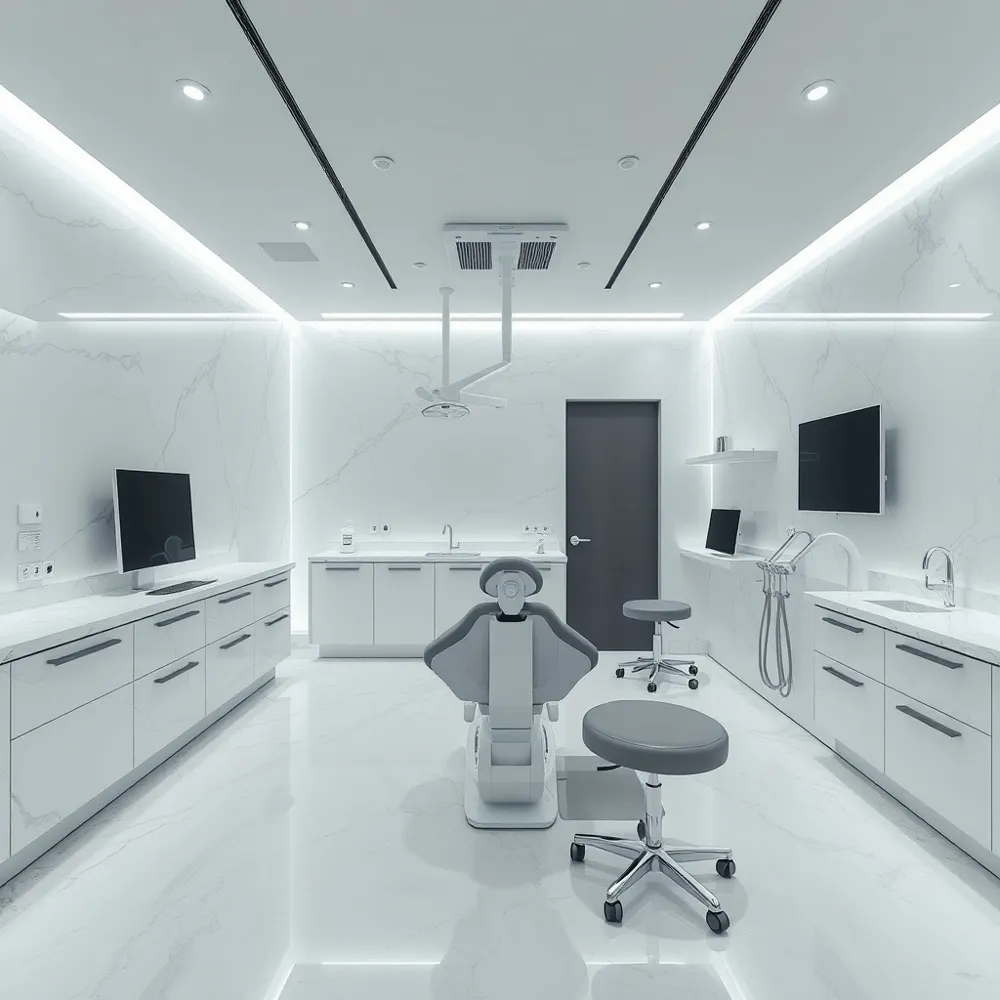
The Evolution of Diagnostic Comfort and Precision
Modern dentistry represents a departure from traditional methods, shifting toward systems that prioritize both clinical precision and patient comfort. At Laguna Beach Dental Arts, this transition is evident through the integration of advanced digital diagnostics. Unlike the limited 2D views of legacy film radiography, which often suffer from image distortion or overlap, these tools provide high-resolution data that improves diagnostic accuracy.
By incorporating Pearl AI Dental Imaging, dental professionals can now detect incipient caries and localized bone loss that remain invisible to the naked eye. This technology acts as a supportive second set of eyes, allowing for earlier disease detection and more proactive, less-invasive treatment plans. Because this process happens in real-time without increasing radiation exposure, it streamlines the standard check-up rather than extending it.
Beyond the clinical benefits, this digital evolution fundamentally changes the patient experience. By using real-time overlays to display clear visual evidence of oral health conditions on a chairside screen, providers bridge the communication gap that often causes dental anxiety. This transparency allows patients to visualize findings directly, which fosters greater trust in the recommended treatment and ensures everyone feels fully informed during their visit to Laguna Beach Dental Arts.
Understanding the Role of AI in Modern Dentistry
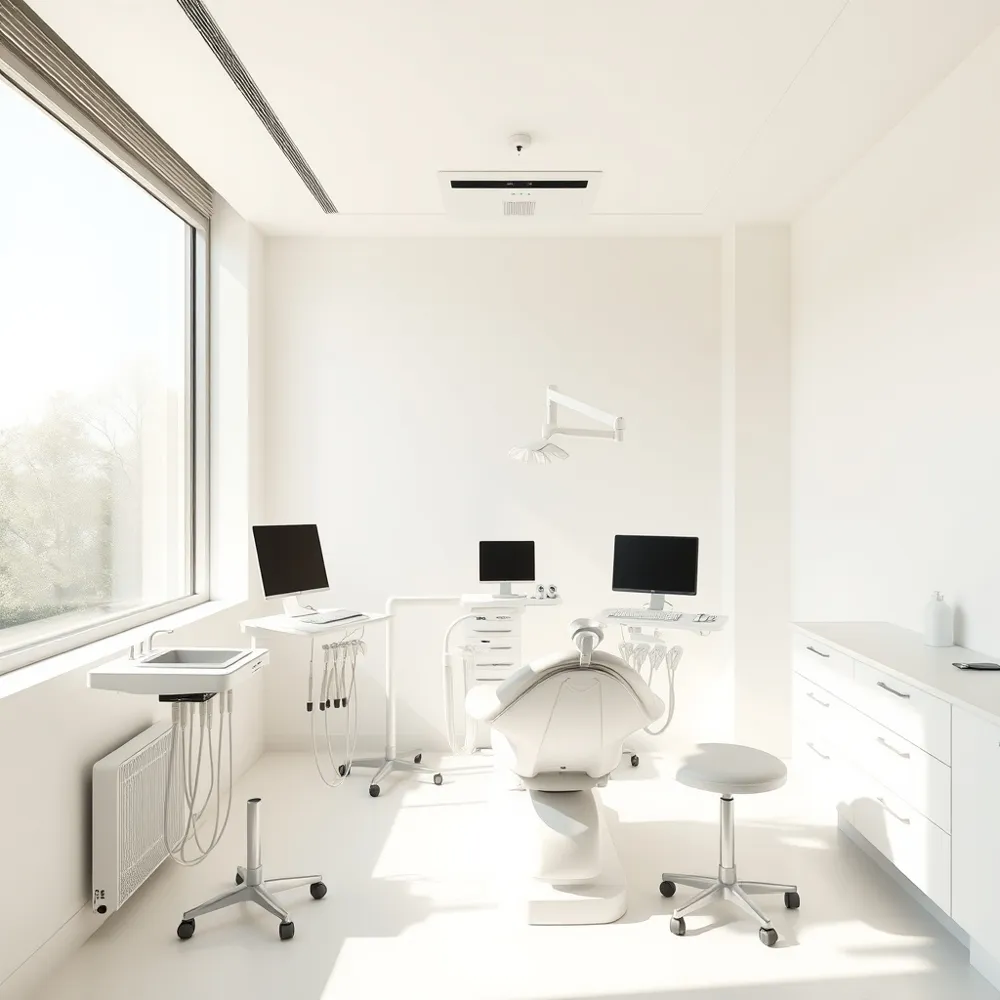
Artificial intelligence fundamentally enhances modern dentistry by improving the precision of diagnostic imaging and increasing overall clinical efficiency. By analyzing complex patient data, AI assists practitioners in detecting subtle conditions like caries or bone loss with higher accuracy, ensuring that treatment plans are data-backed and highly personalized AI May Be Just What the Dentist Ordered. This shift toward the Dentronics era focuses on data-driven oral health outcomes that allow for more proactive and predictable results for patients.
At Laguna Beach Dental Arts, these algorithms function as advanced clinical support tools that identify patterns within radiographs at a pixel level. While some providers rely solely on manual inspection, our use of Pearl AI Dental Imaging acts as a valuable second set of eyes to minimize variability per a narrative review. These systems provide objective data that helps bridge the gap between complex diagnostic findings and patient understanding.
It is important to emphasize that software does not replace the human expertise and clinical judgment of your dentist. These tools are designed to supplement professional oversight, ensuring that a qualified clinician retains full authority for all final treatment decisions per a recent review. By automating routine image analysis, our team can focus on the nuanced needs of individual patients rather than spending extra time on basic classification tasks per findings in Frontiers in Dental Medicine.
What are the benefits of AI in dentistry?
The primary benefit of integrating AI-assisted imaging is the ability to facilitate early detection of dental pathology before it escalates into a complex concern. This preventive approach supports less invasive treatments and preserves more natural tooth structure. Furthermore, these systems improve patient education by transforming technical diagnostic data into clear, visual summaries that make your care plan easy to visualize and understand per research in digital dentistry.
Diagnostic Accuracy Through Artificial Intelligence

At Laguna Beach Dental Arts, modern dental care incorporates advanced AI-assisted imaging technology to move beyond traditional diagnostic limitations. While older 2D methods often struggle with image distortion or anatomical overlap, artificial intelligence in dental radiology uses sophisticated convolutional neural networks to analyze every single pixel of an X-ray. By processing visual data at this granular level, these systems can automatically detect early-stage caries, subtle bone loss, and hairline tooth fractures that might escape even a highly trained human eye.
How accurate is AI in dental diagnostics?
Modern dental AI systems have reached high levels of precision, with clinical studies consistently demonstrating diagnostic accuracy rates exceeding 90% for common conditions like caries, bone loss, and periapical lesions. These AI-powered tools function with exceptional sensitivity and specificity, often ranging between 85% and 98% for identifying oral health issues per 2024 Harvard medical reports. By leveraging FDA-cleared technology, practitioners can identify clinical findings that may be difficult to see with the human eye alone. This level of accuracy serves as a powerful second set of eyes, providing dentists with objective, data-backed insights to enhance their clinical decision-making. Ultimately, integrating AI into the diagnostic process ensures that patients receive more predictable, accurate, and transparent evaluations of their oral health through advanced integration of expert systems.
Unlike some diagnostic tools that might introduce variability, these algorithms act as an objective support layer. Clinics that prioritize digital diagnostics, such as Laguna Beach Dental Arts, utilize these outputs to bridge the gap between technical assessment and patient understanding. Because the software identifies these conditions in real time, clinicians can provide visual overlays that empower patients to see the same markers the doctor is reviewing. This shift toward data-driven, transparent diagnostics is becoming the new standard of care for modern dental practices, ensuring that your treatment plan is based on clear, verifiable information.
Digital Imaging Versus Traditional Radiographic Methods
Digital dental radiography represents a substantial advancement over legacy film-based systems, prioritizing both patient safety and clinical efficiency. A critical benefit of shifting to this technology is the notable reduction in patient radiation exposure, which can decrease by as much as 90% compared to traditional film techniques per 7 Advantages of Digital Radiography. By eliminating the physical films and chemical developers required in older practices, digital imaging also promotes environmental sustainability through the reduction of hazardous waste.
What are the advantages and disadvantages of digital dental imaging compared to traditional methods?
The primary advantage of digital dentistry is the speed of image acquisition. Images are captured and transmitted instantly for chairside review, allowing dentists to analyze findings in real time rather than waiting for darkroom development. Because the output is electronic, clinicians can manipulate the images on-screen by zooming or adjusting contrast to reveal subtle details that might otherwise remain obscured. While traditional methods rely on subjective manual processing, digital tools provide a higher resolution, often exceeding 200 shades of grey to assist in identifying tiny fractures or early-stage anomalies.
At Laguna Beach Dental Arts, we prioritize these digital workflows because they create a transparent, educational experience for our patients. Unlike manual filing systems, digital files are easily retrieved and compared side-by-side to monitor oral health progress, a feature that significantly improves patient trust. Although digital sensors can occasionally feel slightly different to the patient than thinner traditional film, the integration of these systems allows for a faster, more accurate diagnostic process that supports minimally invasive care.
| Feature | Traditional Film | Digital Imaging |
|---|---|---|
| Radiation Exposure | Baseline | Up to 90% Lower |
| Image Delivery | Delayed (Processing) | Instant |
| Eco-Impact | High (Chemicals) | Low (None) |
| Analysis | Manual Inspection | Digital Manipulation |
Comfort and Precision in Digital Impression Technology
Traditional impressions often involve messy, uncomfortable putty trays that can trigger a significant gag reflex. At Laguna Beach Dental Arts, we replace these older methods with advanced intraoral scanners, which use a small, non-invasive wand to capture precise 3D images of your teeth in seconds. This digital process turns a once-dreaded part of the visit into a streamlined, comfortable experience.
Why use digital models in dentistry instead of traditional impressions?
Digital models offer superior accuracy for both orthodontic treatment and the fabrication of custom restorations. Because the scans are recorded electronically, they eliminate the potential for distortion or human error that can occur with physical impression materials. This precision ensures that every crown, bridge, or clear aligner fits perfectly from the start, minimizing the need for repeat visits or time-consuming adjustments.
The benefits extend beyond the examination chair. Digital files can be shared instantly with dental laboratories, leading to much faster turnaround times for your final appliances compared to shipping physical molds. By choosing this modern approach, you benefit from a more efficient workflow that provides detailed visual insights, helping you better understand your specific dental needs and treatment goals.
What to Expect During Your AI-Enhanced Appointment
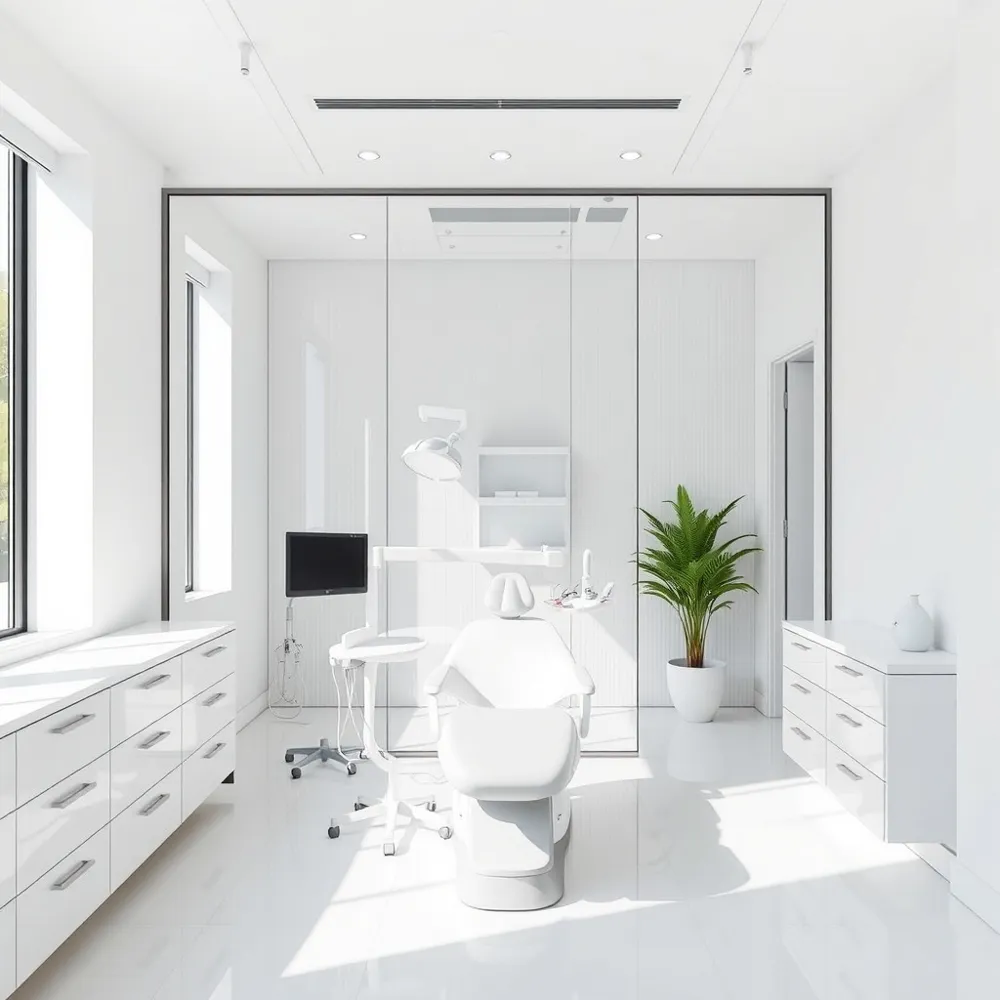
Your comfort remains a priority at Laguna Beach Dental Arts, where modern technology is designed to make your visit seamless rather than complex. During your routine check-up, you will experience a familiar process upgraded by high-speed digital imaging. As our team captures your dental X-rays, Pearl AI functions immediately in the background, analyzing images in real-time without adding extra steps or time to your visit.
Efficiency is a core advantage of this digital workflow. By automating the analysis of radiographs, we minimize wait times for results. This rapid processing ensures that your dentist has the clinical insights necessary to discuss your oral health during the very same appointment. Unlike legacy imaging systems that required chemical development, our digital sensors provide instant high-resolution visuals that appear on the chairside monitor immediately.
How long does a dental imaging session typically take?
A standard dental imaging session is typically quick and efficient, usually taking 15 minutes or less. The exact duration depends on the type of images required, such as routine bitewing radiographs or more comprehensive diagnostic scans. Because we utilize advanced digital diagnostics, these processes are streamlined to ensure both diagnostic accuracy and patient comfort. Our team works efficiently to capture necessary images while keeping your visit as brief as possible, and we provide tailored estimates for specific procedures as needed.
Patient participation is arguably the most valuable aspect of this transition. Often referred to as a second set of eyes, these tools generate clear, annotated overlays directly on your X-rays. These visual aids allow you to see exactly what the dentist sees, which demystifies potential decay or bone level changes. This clarity fosters a more collaborative relationship, ensuring you feel fully informed and confident about any recommended treatment paths before you leave our office.
Accessibility of care is fundamental to our practice philosophy. Patients generally do not face additional fees for AI-assisted analysis when it is integrated into routine diagnostic care. This inclusion reflects our commitment to clinical excellence, as these tools help us provide proactive, evidence-based assessments that help preserve your natural tooth structure for the future.
Navigating Challenges and Addressing Common Concerns
Integrating advanced technology into a dental practice requires a careful balance between innovation and rigorous clinical standards. At Laguna Beach Dental Arts, we prioritize patient safety by maintaining transparency in how diagnostic tools are applied. While some practices may view AI as an automated solution, our approach insists that software serves strictly as a clinical support tool rather than a final decision-maker. This means every piece of AI-generated data is reviewed against a patient’s physical symptoms and history by a qualified professional.
What are the potential disadvantages or challenges of AI in dentistry?
The adoption of artificial intelligence does bring challenges, particularly regarding data privacy and the complexity of digital infrastructure. Modern systems must strictly adhere to HIPAA and GDPR regulations, ensuring that sensitive health information remains encrypted and secure. Unlike providers who may rely on opaque, black-box algorithms, responsible dental offices ensure all diagnostic software undergoes a process of clinical auditing to verify accuracy and minimize bias.
Another concern is the variability in training data, which can occasionally lead to inconsistent results across different demographics. We mitigate this risk by utilizing only FDA-cleared diagnostic tools, a requirement that ensures the technology has been rigorously tested for reliability in a domestic clinical environment. By treating these systems as a supportive second opinion rather than a replacement for human judgment, we maintain a standard of care that keeps your personal health strategy front and center.
Embracing a Future of Proactive, Personalized Dental Care
The integration of advanced digital diagnostics and artificial intelligence into the modern dental suite marks a transition toward more transparent, preventive care. By utilizing AI-assisted imaging, clinical teams can now move beyond traditional, subjective interpretations to provide objective, evidence-based insights. This technology enables practitioners to identify subtle pathologies like early-stage decay or bone level changes that might be overlooked during routine manual examinations, ensuring issues are addressed before they require invasive interventions.
At Laguna Beach Dental Arts, this technology centers on empowering the patient. Rather than relying on technical jargon, clinicians use real-time visual overlays to demonstrate oral health status directly on the screen. This clarity demystifies the diagnostic process, which Harvard Medical School notes often increases patient confidence in proposed treatment plans. By turning complex radiographic data into accessible, annotated evidence, the relationship between dentist and patient evolves into a collaborative partnership focused on long-term wellness.
Commitment to preventive oral health means prioritizing data-driven outcomes that preserve natural tooth structure. Because AI acts as a supportive tool rather than a replacement for professional clinical judgment, you benefit from both the precision of machine learning and the personalized care of a dedicated provider. We invite you to experience this elevated approach to dentistry yourself, where modern technology ensures your visit is as comfortable, informed, and efficient as possible. Book your next same-day dental appointment to see the difference for yourself.