
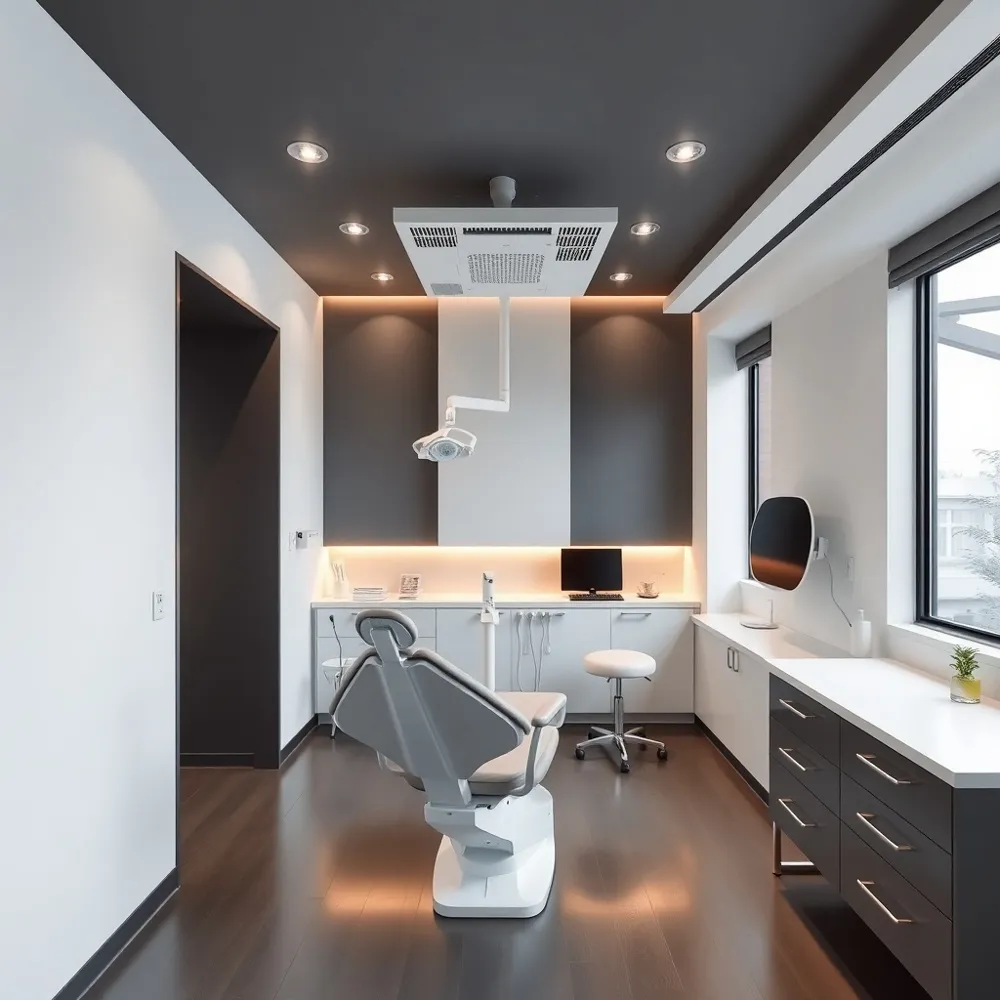
Embracing the Future of Digital Dentistry in Laguna Beach
Modern dental care is undergoing a significant transformation by integrating advanced technology into daily practice. At Laguna Beach Dental Arts, we prioritize clinical excellence by combining high-quality restorative services with sophisticated digital diagnostics. By incorporating AI-assisted imaging into our workflow, we ensure that our patients receive precise assessments that reflect the latest standards in oral health technology.
The use of artificial intelligence in dental radiology serves as a powerful diagnostic tool, acting as a clinical co-pilot to identify pathologies such as micro-fractures, bone loss, and early-stage caries. Unlike older film-based methods that are limited by image overlap and distortion, AI-driven analysis provides objective, data-supported insights. This technology effectively augments human expertise, allowing our team to catch subtle issues before they progress into complex, uncomfortable conditions.
Beyond accuracy, technology is central to enhancing the patient experience at Laguna Beach Dental Arts. When a patient can clearly visualize their own oral health through AI-generated visual overlays, the barrier to understanding complex treatments disappears. This clarity fosters trust and empowers our patients to make informed decisions about their care, ensuring that every session is both productive and comfortable. By maintaining this commitment to precision dentistry, we continue to offer a modern, patient-focused approach that meets the rigorous demands of today’s dental standards.
Key Advantages of AI in Modern Dental Care
- AI utilizes Convolutional Neural Networks to detect pathologies standard 2D radiographs may miss.
- Diagnostic tools identify dental caries, fractures, and bone loss with superior sensitivity than manual review.
- Deep learning models reduce errors caused by clinician fatigue and subjective observation.
- Integrating AI-annotated radiographs can increase treatment plan acceptance rates by 10 to 20 percent.
- Digital radiography reduces radiation exposure by 80 to 90 percent compared to legacy film-based methods.
- Automated cephalometric landmark detection improves the accuracy and reliability of orthodontic treatment planning.
- Predictive analytics forecast tooth movement, effectively shortening treatment duration for clear aligner patients.
- Intraoral scanning eliminates bulky physical putty, increasing patient comfort by avoiding gag reflexes.
- Approximately 77% of patients prefer clinics that incorporate modern AI-driven solutions into their care.
- AI systems support longitudinal tracking of periodontal disease to enable true early intervention.
1. Unmatched Accuracy in Detecting Hidden Pathologies
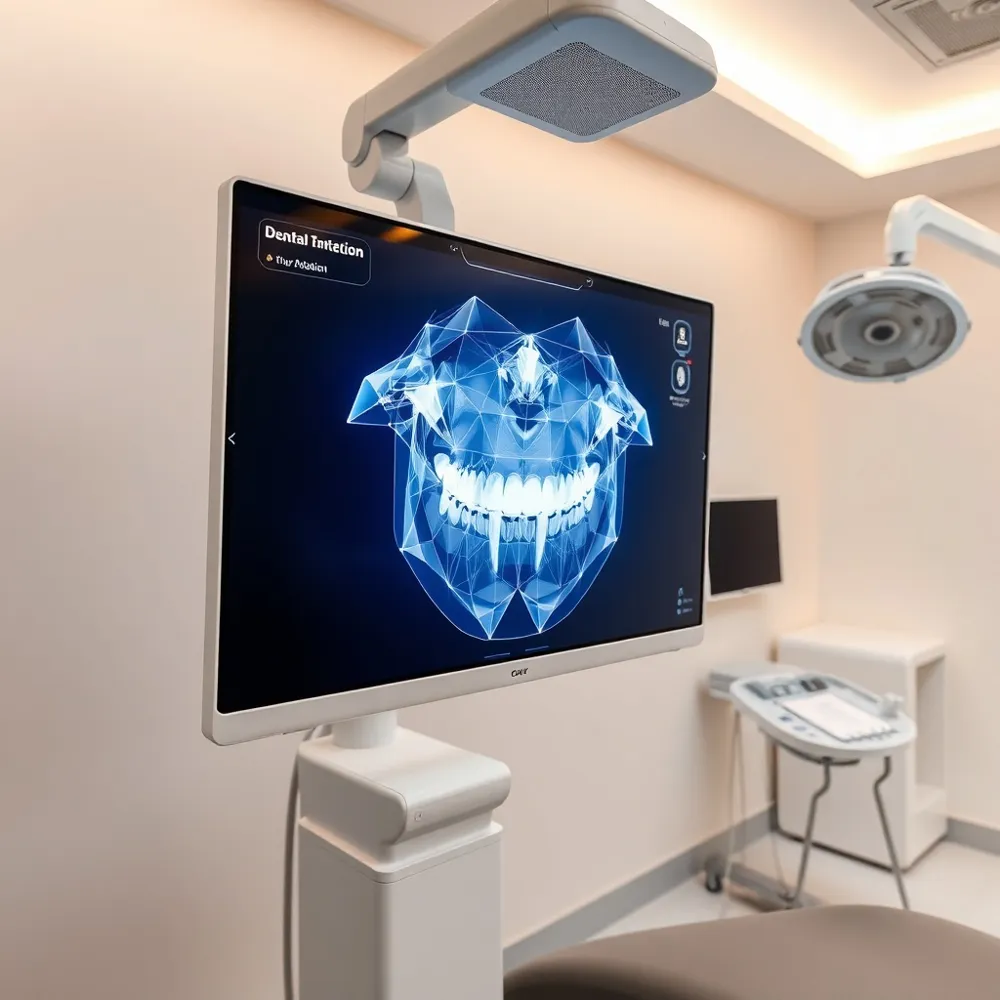
Modern dental care has reached a new standard of precision by integrating sophisticated Convolutional Neural Networks to identify pathologies often obscured in standard 2D radiographs. While manual inspection remains a cornerstone of the dental profession, human analysis is inherently susceptible to factors like clinician fatigue, visual distraction, and subjective interpretation. By serving as an objective clinical co-pilot, artificial intelligence mitigates these concerns, routinely identifying dental caries, subtle fractures, and periodontal bone loss with higher sensitivity than manual review alone.
At Laguna Beach Dental Arts, we prioritize this technological edge to ensure that diagnostic oversight is as thorough and data-driven as possible. Unlike practices relying strictly on traditional visual methods, our integration of AI-assisted diagnostic tools allows for the immediate, objective quantification of oral health anomalies. This shift toward augmented interpretation not only improves the reliability of finding incipient issues but also serves to standardize the quality of care provided to every patient who walks through our doors.
- AI algorithms process bitewing and intraoral scans to highlight decay and bone level abnormalities that might otherwise escape the naked eye.
- Deep learning models help practitioners maintain high performance standards by reducing errors associated with extended clinical hours and provider variability.
- Clinical research indicates that AI-assisted radiology can significantly narrow the gap between early-stage disease presence and clinical detection.
2. Streamlining Complex Surgical and Orthodontic Planning
Modern dental care leverages sophisticated 3D image segmentation to transform how clinicians approach intricate restorative procedures. By precisely isolating anatomical structures from volumetric datasets, practitioners can plan dental implants with unparalleled accuracy, accounting for bone density and proximity to vital structures. This level of technical oversight allows Laguna Beach Dental Arts to deliver high-quality, predictable outcomes that transcend standard manual measurement techniques.
Orthodontic treatment plans also benefit from these advancements, particularly through automated cephalometric landmark detection. By utilizing machine learning models to identify skeletal and dental reference points, digital systems reduce the risk of human error or measurement fatigue. This capability allows therapists to generate more reliable diagnostic models, serving as a distinct advantage over traditional, time-intensive manual plotting used by competitors.
Clear aligner therapy is fundamentally improved by AI-driven predictive analytics. Advanced algorithms can forecast tooth movement by calculating the physical constraints of an individual patient’s arches, which often shortens the duration of treatment. At Laguna Beach Dental Arts, we use these insights to build personalized journeys that guide patients toward their aesthetic goals with objective, data-backed precision, ensuring that every movement is accounted for before the first set of aligners is placed.
3. Empowering Patients Through Clear Visual Communication
Communicating complex clinical findings has historically been a challenge for dental providers, but modern AI-powered diagnostic platforms are changing this dynamic. By utilizing clear visual overlays on radiographic images, clinicians can now highlight areas of concern such as bone loss or early-stage decay, transforming abstract data into something patients can easily identify and understand. This approach promotes transparency, as patients no longer have to rely solely on verbal explanations of their oral health.
Data-driven transparency helps bridge the gap between clinical complexity and patient awareness, which is essential for informed decision-making. Research indicates that when practitioners use these AI-enhanced visual reports, patients report significantly higher levels of confidence in their diagnoses. By viewing concrete evidence of their oral health needs, individuals feel more empowered and engaged in their treatment paths.
This clarity often translates directly into improved clinical outcomes, as patients are more likely to approve and follow through with treatment recommendations. Studies suggest that presenting AI-annotated radiographs during consultations can increase treatment plan acceptance rates by roughly 10-20% per Overjet data. Practices like Laguna Beach Dental Arts leverage such digital diagnostics to ensure that patients feel comfortable and well-informed, ensuring that every recommendation is supported by objective, data-backed evidence.
4. Optimizing Patient Safety and Radiographic Efficiency
Modern dental care has shifted toward advanced diagnostic efficiency, where the primary objective is to maintain high-quality assessment while prioritizing patient safety. Digital imaging systems serve as the foundation of this proactive approach, replacing older film-based methods with electronic sensors to capture and display data instantaneously.
What are the primary advantages of digital imaging in a modern dental practice?
Digital imaging offers superior clarity and diagnostic precision, as images are instantly available on high-resolution screens where they can be magnified and adjusted for a better view of complex areas. This technology significantly enhances patient safety by reducing radiation exposure by up to 80 to 90 percent compared to traditional film-based X-rays. Because the process eliminates the need for chemical darkroom development, it is also more environmentally friendly and contributes to a much more efficient, streamlined patient experience.
Furthermore, digital files allow for seamless storage, retrieval, and comparison of images over time, which helps dentists better monitor changes and track long-term oral health. At Laguna Beach Dental Arts, these tools are central to a practice philosophy that balances clinical excellence with patient comfort. By optimizing imaging parameters, the team ensures that diagnostics are both safer and faster than legacy methods, providing a more comfortable, transparent, and accurate process for every patient.
Advanced software now integrates with these imaging protocols to help minimize unnecessary radiation exposure during routine care. By automating parts of the radiographic workflow, these systems allow practitioners to spend less time on image development and more time documenting findings or discussing health needs. This transition to digitized, AI-assisted workflows supports the broader goal of modern dentistry: identifying issues earlier to permit less invasive, more predictable treatment solutions.
5. From Reactive Care to Predictive Oral Health
Modern dental care is shifting away from reactive measures toward a model of precision dentistry that prioritizes predictive analytics and proactive monitoring. By moving beyond simple symptom management, practitioners can now analyze long-term health trends to stop issues before they become painful or invasive.
Monitoring periodontal disease progression over time has become significantly more accurate through longitudinal AI tracking. Instead of comparing mental notes between appointments, clinicians at lagunabeachdentalarts.com utilize digital diagnostic tools to objectively measure bone levels, identifying subtle shifts that might otherwise go unnoticed during a routine exam.
Analyzing historical imaging data allows for a scientific approach to individual risk assessment. By reviewing a patient’s specific dental history and imaging records against established models, dentists can estimate the long-term risk of conditions like periodontal bone loss. This practice is supported by data-driven diagnostics, which ensure that treatment is tailored to the unique physiological profile of the patient rather than taking a one-size-fits-all approach.
Early intervention stands as the foundation of this modern workflow, enabling providers to address decay or structural abnormalities while they are still in their infancy. Unlike traditional methods that rely on human observation alone, AI-assisted imaging provides the necessary clinical confidence to recommend preventive action. This transition toward predictive care ultimately minimizes the need for extensive restorative work, fostering a more comfortable and predictable clinical journey for every patient.
6. Enhancing Practice Management and Diagnostic Consistency
Achieving consistent care standards within a multi-provider clinical environment has traditionally been difficult, as individual diagnostic interpretation can vary between practitioners. Artificial intelligence helps eliminate this variability by applying objective clinical criteria to every patient radiograph. Unlike some dental practices that rely solely on subjective assessment, the team at Laguna Beach Dental Arts integrates advanced AI-assisted imaging to ensure that every diagnostic finding is supported by validated, data-driven analysis.
Modern diagnostic platforms are designed for seamless interoperability, meaning they integrate directly into existing practice management systems. This connectivity allows for frictionless file administration and automated patient monitoring, which significantly reduces the time clinicians spend on manual tasks. By shifting toward digital-first workflows, practices can maintain higher operational standards without the need for costly infrastructure changes.
Efficiency gains extend deep into daily clinical documentation. Systems now utilize speech-to-text AI to capture detailed notes and automate standard procedures like periodontal charting in real time. This level of automation allows providers at Laguna Beach Dental Arts to focus their expertise on patient interaction and complex treatment planning, rather than repetitive administrative data entry. Through this integration of technology and professional care, the practice ensures high-quality diagnostics remain the primary focus of every visit.
7. Leveraging Deep Learning for Scalable Diagnostic Excellence
Deep learning models, specifically Convolutional Neural Networks, have moved dental diagnostics into a new era of standardized precision. A core challenge in developing these models is the need for massive, annotated image datasets. To navigate this, researchers utilize transfer learning, a technique that allows new models to adapt pre-existing networks to local practice needs. This method allows Laguna Beach Dental Arts to implement highly effective diagnostic tools without requiring the immense proprietary data collections that once hindered clinical adoption.
The maturity of the sector is increasingly validated by regulatory oversight. Platforms like Overjet have secured FDA clearance for critical tasks including caries detection and bone level quantification. Similar to the applications seen in Pearl, these tools provide a consistent second opinion that reduces the variability inherent in manual interpretation.
The deployment of these technologies at Laguna Beach Dental Arts is underpinned by a strict commitment to ethical and secure AI implementation. Aligning with standards such as those proposed by the American Dental Association, the practice prioritizes data privacy, patient consent, and the elimination of algorithmic bias. By blending advanced machine learning with professional human judgment, the practice ensures that technology serves as a reliable support system for long-term patient health rather than a replacement for clinical expertise.
Defining the Role of AI in Modern Dentistry
Artificial intelligence in dentistry refers to the integration of machine learning, deep learning, and advanced algorithms to analyze complex dental data, such as radiographs and clinical histories, to support improved clinical decision-making. These tools identify subtle patterns often invisible to the human eye, assisting dentists in the earlier detection and diagnosis of conditions like dental caries, periodontal disease, and oral cancer.
Beyond basic diagnostics, this technology is instrumental in sophisticated treatment planning. It can simulate tooth movement for orthodontics and enhance the precision of complex procedures. Technologies function as intelligent assistants that streamline dental workflows and improve the accuracy of treatment outcomes per peer-reviewed studies. Practices like Laguna Beach Dental Arts integrate these advanced systems to balance clinical excellence with a more personalized patient experience.
Ultimately, augmented intelligence acts as a supportive tool that keeps human expertise central while moving practices toward a predictive model of oral health management. By automating routine analysis, these systems help providers spend more time on direct patient care and communication as noted by Harvard researchers.
Advanced Digital Scanning for Enhanced Comfort
The transition from traditional putty impressions to digital intraoral scanning represents a significant upgrade in patient care. Conventional methods often involve bulky trays and messy materials that can trigger an uncomfortable gag reflex, whereas modern digital scanners capture highly accurate imagery with a small, non-invasive wand.
What are the benefits of using digital models over traditional impressions in dentistry? Digital models offer a significant upgrade over traditional impressions by eliminating the need for uncomfortable, messy putty. Beyond the enhanced comfort, digital scans provide superior accuracy, reducing the risk of human error and the potential for repeat visits. They also streamline the clinical workflow by allowing for instant digital transmission to dental laboratories, which significantly accelerates the production of crowns, veneers, and aligners. Furthermore, the process is cleaner and environmentally friendly, as it removes the need for physical impression materials and stone models. By utilizing this advanced technology, patients at Laguna Beach Dental Arts benefit from a more efficient, precise, and sophisticated diagnostic experience.
Elevating the Patient Through Innovative Care
The integration of advanced dental technology is essential for enhancing the patient experience by transitioning from traditional, often uncomfortable, procedures to more modern, efficient workflows. At Laguna Beach Dental Arts, the use of AI-assisted imaging and digital diagnostics elevates quality by providing objective, high-precision assessments that human eyes might sometimes overlook. Unlike clinics relying solely on manual interpretation, this practice uses data-driven tools to minimize diagnostic variability and enhance the clarity of communication.
Digital tools such as intraoral scanners offer superior precision, which results in better-fitting restorations and more predictable clinical outcomes than traditional impression methods. By replacing older, error-prone analog systems with these digital alternatives, the practice reduces chair time and enhances overall comfort. This modernization fosters significant patient trust, as clear visual diagnostics help individuals understand their oral health status and the reasoning behind specific treatment recommendations.
Research indicates that patients report higher levels of confidence when advanced technology is part of their care. According to clinical findings, 77% of patients prefer clinics that leverage modern, AI-driven solutions to improve diagnostics. By prioritizing these innovations, the practice ensures that patients feel informed, relaxed, and confident in the standard of care they receive, ultimately bridging the gap between complex clinical findings and patient understanding.
Your Smile in the Age of Intelligent Dentistry
The integration of artificial intelligence into modern oral care marks a shift toward a more precise and patient-centered experience. At Laguna Beach Dental Arts, we use these diagnostic advancements to ensure that every patient benefits from clearer insights and objective data analysis. By pairing tradition with innovation, we deliver care that is both technically rigorous and deeply personalized.
Where traditional manual interpretation can sometimes lead to variability, our approach uses AI-powered diagnostic tools to provide a consistent, clear view of your long-term oral health. This technology allows us to catch subtle changes early, favoring proactive treatments over reactive ones. We believe that when you understand exactly what is happening in your mouth through visual, data-supported explanations, you are better equipped to participate in your own wellness journey.
Technology serves as a powerful instrument for clinical excellence, but it remains a secondary support to our commitment to your comfort and individual needs. We invite you to experience this elevated standard of dentistry for your next exam. Schedule your visit with us online and discover how current dental technology can help maintain your smile for years to come.