
When the Unexpected Strikes
A dental emergency arrives without warning, turning a routine day into a moment of intense pain or panic. Whether it is a knocked-out tooth, a severe abscess, or uncontrollable bleeding, these situations demand immediate action. Often occurring after hours or on weekends, such dental emergencies can lead to permanent damage if left unaddressed.
Failing to prepare often forces patients to scramble for care, which increases the likelihood of long-term complications. At Laguna Beach Dental Arts, we offer same-day emergency care to ensure you are never left waiting during a crisis. Establishing a clear emergency plan is the most effective way to replace fear with calm, ensuring you can quickly secure the professional intervention needed to protect your smile.
What Counts as a Dental Emergency?

A dental emergency is any condition requiring immediate professional intervention to alleviate severe pain, stop uncontrollable bleeding, or manage trauma that threatens your oral health. Experts define these instances as situations where quick action is necessary to prevent permanent damage, such as a knocked-out tooth or signs of a serious infection like a dental abscess accompanied by facial swelling or fever. If you are unsure about the severity of your situation, the most important step is to call your dentist immediately for professional guidance.
What defines a dental emergency and when should you seek urgent care?
You should seek urgent care if you experience symptoms including a lost permanent tooth, a fractured or cracked tooth causing significant discomfort, or uncontrolled bleeding from a soft tissue injury. Laguna Beach Dental Arts offers same-day emergency care to address these issues promptly, as delaying treatment often leads to more extensive tissue damage or systemic health risks. While minor issues like small chips or a lost filling may feel less urgent, they still require prompt attention to avoid secondary concerns like sensitivity or decay.
- Knocked-out or dislodged permanent teeth
- Severe, unmanageable toothache or pain
- Dental abscess with swelling or fever
- Fractured or severely cracked teeth
- Uncontrollable bleeding or trauma to facial bones
While Handling Dental Emergencies at home can provide temporary relief, these measures are not a substitute for clinical care. By connecting with our team, you ensure that even minor problems are assessed before they escalate into painful, costly, and complex complications. Contact us as soon as symptoms arise so we can determine the level of urgency and prioritize your comfort and safety.
Your Home First-Aid Kit Must-Haves
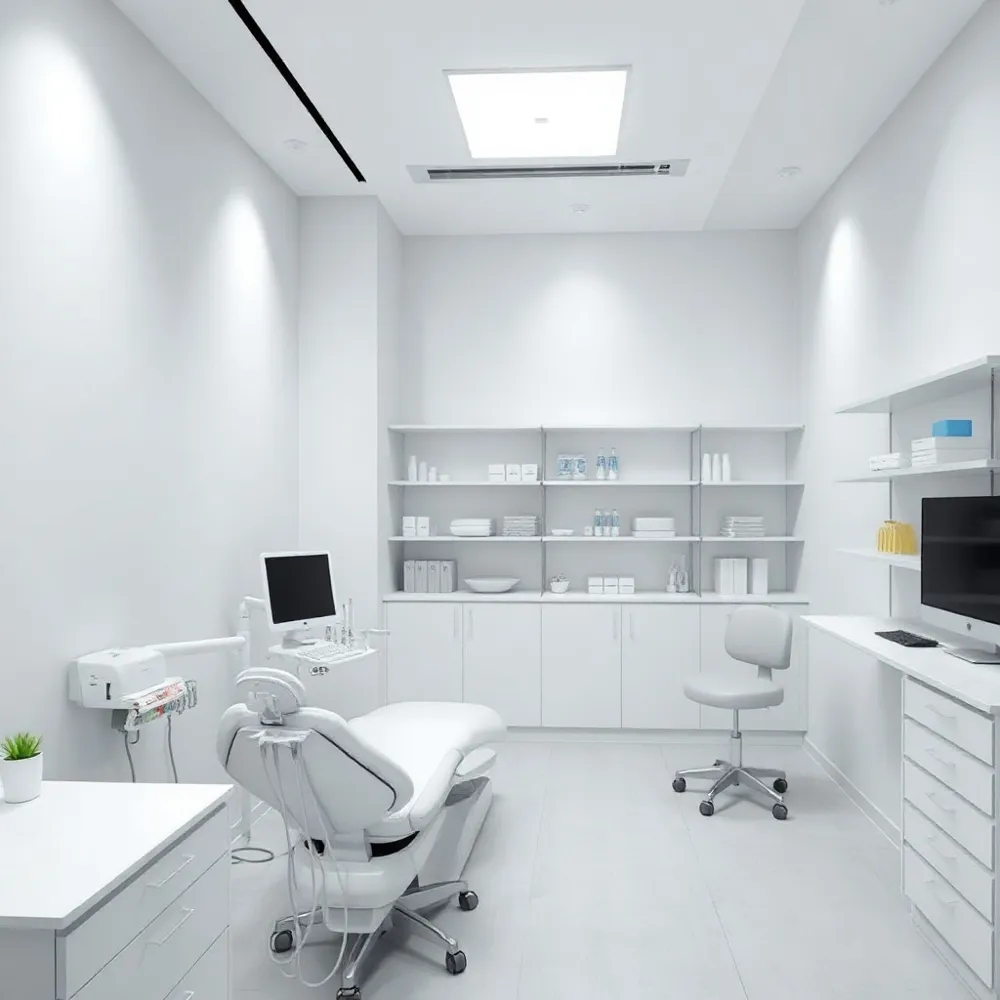
When a dental crisis occurs, having a prepared home kit bridges the gap between the initial injury and professional care. While Laguna Beach Dental Arts offers same-day emergency services, being equipped at home helps you manage symptoms until you can arrive at the office.
What essential items should be in a home dental emergency kit?
A well-prepared home dental emergency kit should include sterile gauze and tea bags to help control excessive bleeding, along with a small container with a lid for safely transporting a knocked-out tooth in milk or saliva. It is important to keep dental wax on hand to cover sharp orthodontic brackets or broken tooth edges that may irritate your mouth, as well as an ice pack to reduce inflammation, which sources note is vital for managing discomfort. To address oral pain, stock clove oil or a topical numbing gel, and include dental floss and tweezers for carefully removing debris trapped between teeth. Hydrogen peroxide can also be included to help alleviate irritation from gum issues.
Keep your kit in an accessible location at home and consider maintaining a travel-sized version for when you are away. As detailed by WebMD, these supplies provide temporary relief only and are never a substitute for an actual exam. Always call your dentist immediately following any dental accident or injury to address the underlying cause of the emergency.
After-Hours Action: What to Do Next
When a dental crisis strikes outside standard office hours, your first step is to remain calm and call your dentist. Many practices, such as Laguna Beach Dental Arts, provide clear instructions via their answering service, helping patients know exactly how to access necessary support. If you are experiencing minor pain or swelling, you can stabilize the area with over-the-counter pain relievers or a gentle saltwater rinse. Applying a cold compress to the outside of your face at 15-minute intervals also helps reduce inflammation while you wait for professional guidance per WebMD.
Specific injuries such as a knocked-out permanent tooth require immediate, precise action to save the tooth. You should touch only the crown, rinse the tooth gently if it is dirty, and keep it moist in a container of milk or a tooth preservation solution. Per Cleveland Clinic, you must see a professional within 60 minutes for the highest success rate. Note that this does not apply to primary or baby teeth; you should not attempt to re-implant these, as you risk damaging the permanent tooth growing underneath. In these cases, simply apply firm pressure with sterile gauze to control bleeding.
- Head to the emergency room immediately for uncontrollable bleeding that persists despite pressure.
- Seek medical care if you suspect a fractured jaw or experience significant swelling that compromises your breathing.
- Remember that local hospital emergency departments can treat trauma and manage pain, but they rarely offer permanent dental restorative services.
Over-the-Counter Pain Relief: The 3-3-3 Rule
When you experience a sudden, severe toothache that keeps you awake, temporary pain management is essential while you wait for professional care. The 3-3-3 rule serves as a bridging strategy to handle discomfort until you can reach your dentist. This protocol involves taking 3 ibuprofen tablets (totaling 600mg) every 3 hours, alternating with 3 acetaminophen tablets (totaling 1000mg) every 3 hours. This rotation optimizes pain control by combining two different medications.
It is critical to understand that this medication schedule is strictly a temporary measure and NOT a treatment for underlying conditions. Taking medication does not fix a cavity or resolve an abscess, and it will not eliminate a developing infection. Because masking symptoms can lead to more severe and systemic complications, you must prioritize a professional diagnosis.
If you are in the Laguna Beach area, Laguna Beach Dental Arts provides same-day emergency care to address the root cause of your pain. Unlike generic urgent care centers that may only offer temporary prescriptions, a dedicated emergency dentist can provide the definitive restorative treatments needed to prevent complications like long-term nerve damage or tooth loss.
ER vs. Dentist: Who Treats Tooth Pain?
When facing intense dental pain, it is vital to understand that hospital emergency rooms generally do not perform definitive dental procedures, such as root canals or extractions. If you are experiencing a dental crisis, your first step should be to contact your dentist. Practices like Laguna Beach Dental Arts provide streamlined same-day emergency appointments designed to address urgent issues immediately, whereas general hospitals focus primarily on systemic stabilization.
What is the role of the emergency room if you have extreme tooth pain?
The emergency room is the correct destination only for life-threatening complications that stem from severe dental infections. According to research from the Cleveland Clinic, you should seek hospital care if you experience high fever, difficulty breathing, or significant facial swelling that may obstruct your airway or indicate a spreading infection. In these instances, medical staff provide temporary relief through antibiotics or systemic pain medication.
It is important to remember that these facilities do not accept dental insurance, and any care provided there often falls under broader medical benefits. Because they cannot address the root cause of tooth decay or trauma, the emergency room serves only as a stopgap measure. You must follow up with a dentist as soon as possible to receive the specialized restorative treatments necessary to protect your oral health.
Understanding Your Insurance for Urgent Care
When a dental crisis occurs, the last thing you want to worry about is the complexity of your financial coverage. Most dental insurance plans include provisions for urgent procedures, such as emergency exams or tooth extractions, typically applying your standard deductibles and co-pays.
How do insurance policies typically handle emergency dental care?
Insurance coverage for emergency dental care depends on the nature of the issue and your specific plan details, as dental insurance typically focuses on routine maintenance rather than unexpected trauma. If a procedure is deemed a dental emergency, your plan may cover a portion of the costs for services like exams or extractions, provided you remain within your provider’s network. In cases involving significant physical trauma, accidents, or specific medical conditions like TMJ, your medical insurance may occasionally provide coverage instead of your dental plan. Because policies vary widely regarding waiting periods and coverage limits, it is essential to verify your benefits directly with your insurance carrier or consult your dental office staff before treatment. Utilizing cost estimator tools provided by insurance networks can also help you better understand potential out-of-pocket expenses before your visit.
- Medical vs. Dental: Hospital emergency room visits and medications for dental pain typically fall under medical insurance rather than your dental policy.
- Network Restrictions: While national dental networks often provide consistent care when you are away from home, out-of-network coverage varies significantly. Some plans, such as DHMOs, may offer no coverage for out-of-network providers.
- Proactive Verification: Review your plan documents now to confirm requirements for pre-authorization or referrals, and confirm if your international travel is covered.
Prevention: Your Best Defense
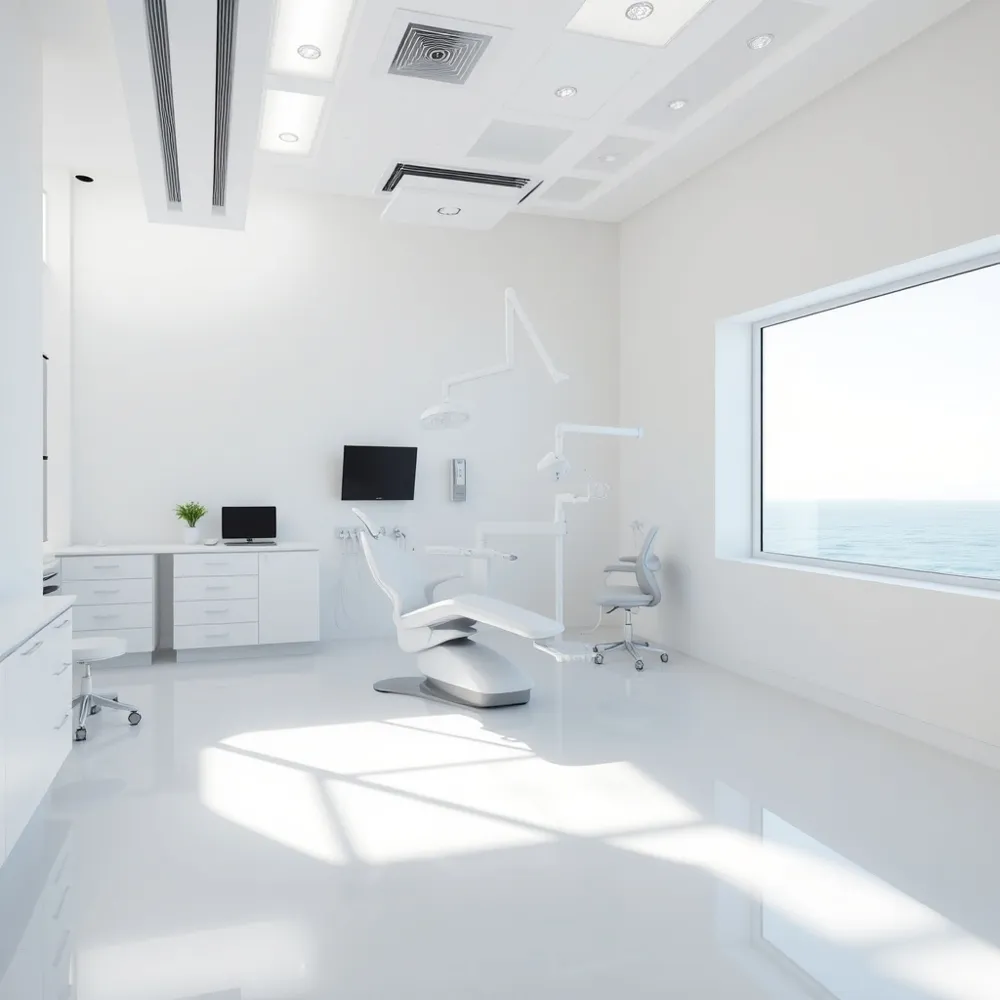
The most effective way to manage a dental emergency is to prevent it from happening altogether. Consistent, preventive dental check-ups are your primary defense, as they allow your dentist to identify and address underlying weaknesses, such as hairline cracks or early-stage decay, before they evolve into urgent, painful crises. At Laguna Beach Dental Arts, these routine exams and professional cleanings form the basis of a proactive oral health strategy that helps you avoid unexpected, costly interventions.
Maintaining a rigorous home care routine significantly lowers your risk of infection or structural failure. Brushing twice daily with fluoride toothpaste and flossing every day removes the plaque and bacteria that trigger tooth decay, which often leads to abscesses or nerve damage. Furthermore, your dietary choices directly impact your dental longevity. Limit sugary snacks that fuel bacteria, and protect your enamel by avoiding hard foods like ice or hard candies that can cause unexpected fractures.
Physical trauma management is also a critical component of prevention. Wear a custom-fitted mouthguard during contact sports and utilize proper safety gear, such as seatbelts, to protect your facial bones during accidents. Finally, treat your teeth with care by avoiding the common habit of using them as tools to open packages, trim nails, or bite through tough fasteners. By choosing proactive dentistry, you create a safer, more sustainable environment for your smile, keeping potential issues manageable long before they require emergency treatment.
Creating Your Personal Emergency Dental Plan
Preparedness creates a crucial buffer when oral health crises emerge unexpectedly. Start by identifying a reliable emergency dentist before trouble strikes, such as the team at Laguna Beach Dental Arts, which offers same-day emergency care to ensure you are not left waiting when symptoms intensify.
Beyond securing a provider, establish a tangible safety net. Consolidate your dentist’s contact information into a digital file or physical card, sharing this detail with all household members. Pair this with a dedicated home first-aid kit containing sterile gauze, temporary filling material, and your primary care contact details to help manage discomfort until professional assistance is available.
Financial readiness is as important as clinical access. Review your dental insurance benefits annually to confirm coverage for urgent out-of-network care and clarify out-of-pocket expectations. While some plans operate similarly to your routine coverage, understanding these specifics helps prevent stress during a dental trauma event. Make it a point to revisit this plan whenever you move, switch employment, or update your insurance provider, ensuring your emergency response remains both current and effective.
Peace of Mind Starts Today
Establishing an emergency dental plan significantly reduces panic, ensuring you can act quickly to achieve the best possible result during a crisis. By identifying your resources in advance, you secure vital benefits like immediate pain relief, effective infection control, and a much higher likelihood of preventing permanent damage.
Laguna Beach Dental Arts offers same-day emergency care to address urgent needs efficiently, helping you avoid prolonged discomfort. We encourage you to establish a regular relationship with our team today, as proactive planning is a critical investment in your long-term oral health and future peace of mind.