Understanding the Roots of Dental Anxiety and Phobia
Dental anxiety is a common experience characterized by feelings of stress or nervousness regarding dental care, whereas dentophobia represents a more severe, irrational fear that triggers significant avoidance. While approximately 36% of U.S. adults struggle with some level of dental fear, about 3% suffer from a debilitating form of phobia that often prevents them from seeking help until a dental emergency arises, as noted by the Cleveland Clinic.
Avoiding routine appointments initiates a damaging cycle where missed care allows minor issues to escalate into complex, more invasive conditions. This avoidance often compounds existing fears regarding sights, sounds, or the loss of control in a clinical setting. By prioritizing a patient-focused environment, practices like Laguna Beach Dental Arts emphasize transparency and gentle communication to disrupt this cycle, ensuring that patients feel empowered rather than overwhelmed during their visits.
Identifying Causes and Physiological Triggers for Dental Fear
What are the common symptoms and underlying causes of dental anxiety? Dental anxiety is often driven by past negative dental experiences, a family history of dental fear, or a perceived loss of control during clinical procedures. Individuals may experience physical symptoms such as sweating, tachycardia, or feeling faint at the thought of or during a dental visit. Emotional signs include extreme restlessness, avoidance of appointments even when in pain, and a heightened fear of potential triggers like needles, blood, or the sensation of choking. While some patients fear the lack of efficacy of an anesthetic, others simply struggle with the proximity of dental tools. Understanding these underlying causes is the first step toward managing anxiety, and at Laguna Beach Dental Arts, we prioritize creating a calm, supportive environment to help you feel comfortable and in control of your oral health care.
For many people, the dental chair acts as a focal point for sensory stress. The sound of high-pitched handpieces or the sight of sharp instruments can trigger a fight-or-flight response, leading to a racing heartbeat or even panic attacks before treatment begins. This response remains prevalent, with nearly 36% of U.S. adults experiencing some level of fear regarding dental care. Unlike generic clinics that might prioritize throughput, Laguna Beach Dental Arts focuses on mitigating these auditory and visual triggers by providing clear, step-by-step communication that informs patients exactly what to expect before a sound or sensation occurs.
Traumatic prior experiences often leave a lingering impact on a patient’s ability to maintain regular care. When these memories are paired with a sense of vulnerability, it creates a persistent barrier to care. By adopting trauma-informed care, practitioners can help prevent these triggers by verbalizing chair adjustments and allowing patients to establish their own non-verbal stop signals. This emphasis on patient autonomy at Laguna Beach Dental Arts ensures that regaining control over your oral health becomes a collaborative process rather than an intimidating obligation.
Building Trust Through Transparent and Empowering Communication
Clear communication acts as a vital tool for alleviating dental anxiety by demystifying complex procedures and replacing uncertainty with understanding. By using plain, accessible language and explaining each step of a treatment plan, dentists can significantly reduce the fear often associated with the unknown. An open dialogue allows patients to voice their specific concerns, which helps providers address these fears directly through empathy and tailored support. This transparent approach fosters a sense of agency and trust, transforming the dental office into a predictable, safe environment. At Laguna Beach Dental Arts, this starts by prioritizing patient education and open discussion to ensure you feel informed at every stage.
Empowerment Through Transparency
One of the most effective ways to build comfort is the tell-show-do method. This technique involves walking the patient through each procedure step, demonstrating the tools involved, and then performing the action to remove the element of surprise. Such predictable workflows are central to how modern practices reduce apprehension, as patients are no longer left to guess what happens next.
Patients can regain a significant sense of control by establishing a non-verbal stop signal with the dental team. By simply raising a hand, you can pause any procedure instantly if you need a breather or have a question. This autonomy is often the key to moving from a state of panic to one of calm and cooperation, ensuring that your comfort remains the practice’s highest priority.
For those managing significant fear, initial consultation-only visits provide a low-pressure environment to acclimate. These meetings allow you to discuss your concerns with the dentist without the expectation of clinical treatment, building a foundation of familiarity. By focusing on your specific triggers early, a practice can tailor a management plan that replaces anxiety-induced avoidance with a proactive approach to your long-term oral health.
Psychological and Behavioral Coping Strategies for Long Term Success
Overcoming dental phobia often requires addressing the mental barriers that trigger distress. Cognitive Behavioral Therapy (CBT) serves as a primary, evidence-based approach for patients seeking to change negative thought patterns regarding clinical care as cited by the Cleveland Clinic. By working with a mental health professional, individuals can identify specific anxiety triggers and develop actionable skills to neutralize their fear response.
Beyond formal therapy, behavioral desensitization plays a crucial role in building confidence. Exposure therapy, practiced in a controlled and supportive environment at practices like Laguna Beach Dental Arts, allows patients to build familiarity with tools and sounds without the pressure of active treatment. This gradual approach helps shift the nervous system away from a state of panic.
Patients can also employ immediate, self-managed relaxation techniques to remain calm during appointments. The 4-7-8 breathing method helps activate the parasympathetic nervous system, effectively counteracting physical stress responses like elevated heart rate or muscle tension according to Better Health Channel. When combined with techniques such as progressive muscle relaxation, these habits transform dental visits from overwhelming obstacles into manageable health maintenance appointments.
Clinical Methods for Managing Severe Anxiety and Discomfort
For patients whose anxiety remains a significant obstacle to routine care, modern dentistry offers pharmaceutical interventions to ensure a stress-free experience. These options exist on a spectrum, allowing Laguna Beach Dental Arts to tailor medical support to each individual’s comfort level and the complexity of their treatment. Whether a procedure requires mild relaxation or deep sedation, modern practices prioritize both patient safety and comfort.
Pharmacological Pathways to Comfort
Is medication or sedation a standard component of managing severe dental anxiety? While professional dental care focuses on creating a comfortable environment, pharmacological management is indeed a standard and effective component for patients experiencing severe dental anxiety. Dentists may utilize various forms of sedation, ranging from mild options like nitrous oxide to deeper oral or IV sedation, to help patients remain relaxed during their procedures. These interventions are typically determined after a thorough evaluation of the patient’s health history and the specific requirements of their treatment plan. By integrating these options, dental professionals can ensure that patients with significant anxiety receive the necessary care without unnecessary distress. Ultimately, the goal is to balance patient comfort with clinical safety and effectiveness.
Technological and Trauma-Informed Care
Beyond medication, advanced clinical technology has transformed the physical experience of dental treatment. Contemporary numbing techniques, including ultra-fine needles and targeted topical anesthetics, have replaced older, more invasive protocols to significantly reduce sensitivity. At Laguna Beach Dental Arts, clinicians utilize trauma-informed care practices to address the psychological underpinnings of dental fear.
- Verbal cueing before chair adjustments to prevent sudden physical triggers.
- Establishing a clear, non-verbal hand signal for patients to pause treatment at any moment.
- Detailed step-by-step narration of sensations to remove the element of surprise.
- Integration of calming office environments to improve psychological safety.
Supporting Children to Build Lifetime Oral Health Confidence
How can parents help children navigate and overcome dental treatment anxiety? Parents serve as the primary model for a child’s health behaviors, so maintaining a calm demeanor is essential when discussing upcoming appointments. At Laguna Beach Dental Arts, we support this by using positive, age-appropriate language that demystifies clinical tools. Instead of using technical terms that may sound intimidating, our team focuses on gentle explanations that keep children informed and secure.
Consistency plays a vital role in reducing fear. Introducing children to the clinical environment early in life helps desensitize them to specialized equipment and bright lights before issues become complex. Regular check-ups allow children to build familiarity with our staff and office, shifting their view of the dentist from a source of stress to a routine partner in their well-being.
- Incorporate positive reinforcement by celebrating successful visits, which helps establish oral health as a rewarding, rather than punishing, experience.
- Encourage children to bring along a comfort toy or blanket to create a sense of personal security while in the dental chair.
- Utilize distraction methods like music, kid-friendly media, or engaging games during procedures to shift a child’s focus away from the environment.
- Model calm, relaxed body language, as children often mirror parental anxiety during health examinations.
By prioritizing these early preventive care visits, families avoid the need for invasive treatments that could trigger long-term phobias. Our practice is designed to be a welcoming space where both the clinical team and parents work together to build a child’s lifelong confidence in maintaining a healthy smile.
Modern Office Environments and Technology for Patient Comfort
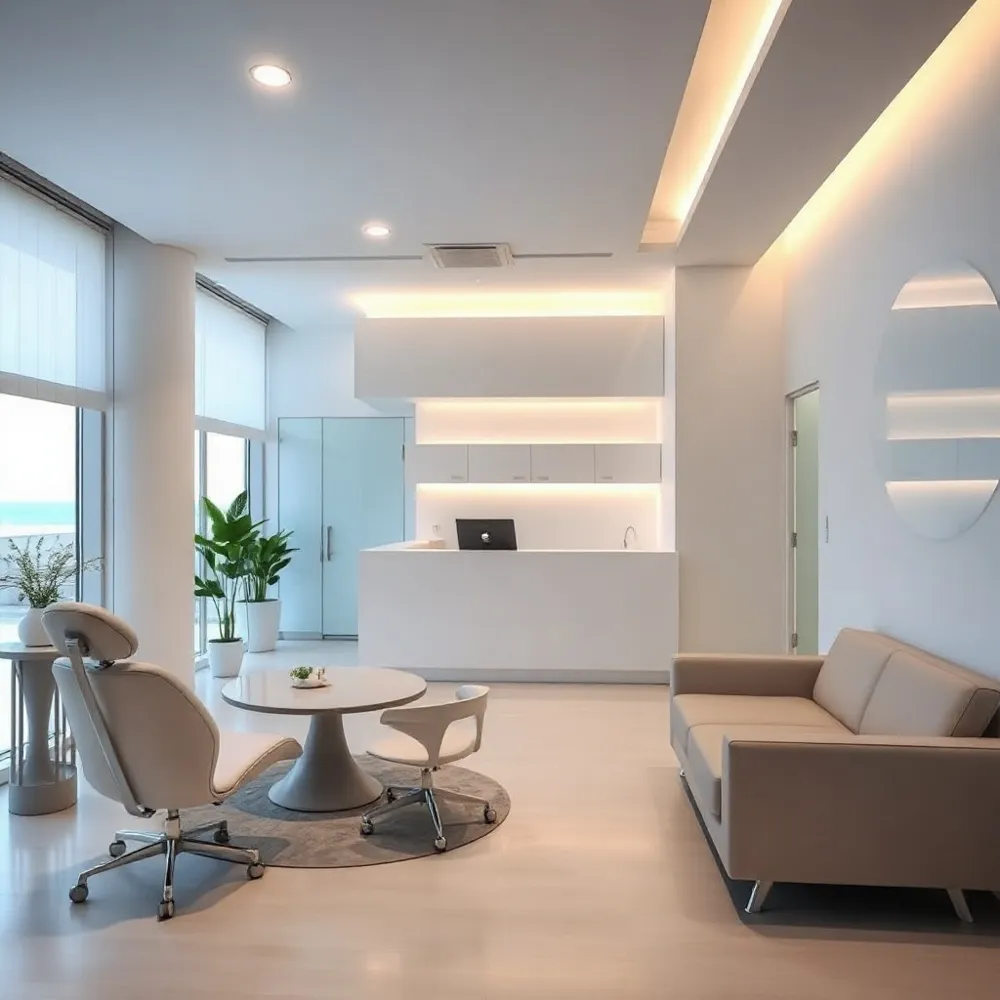
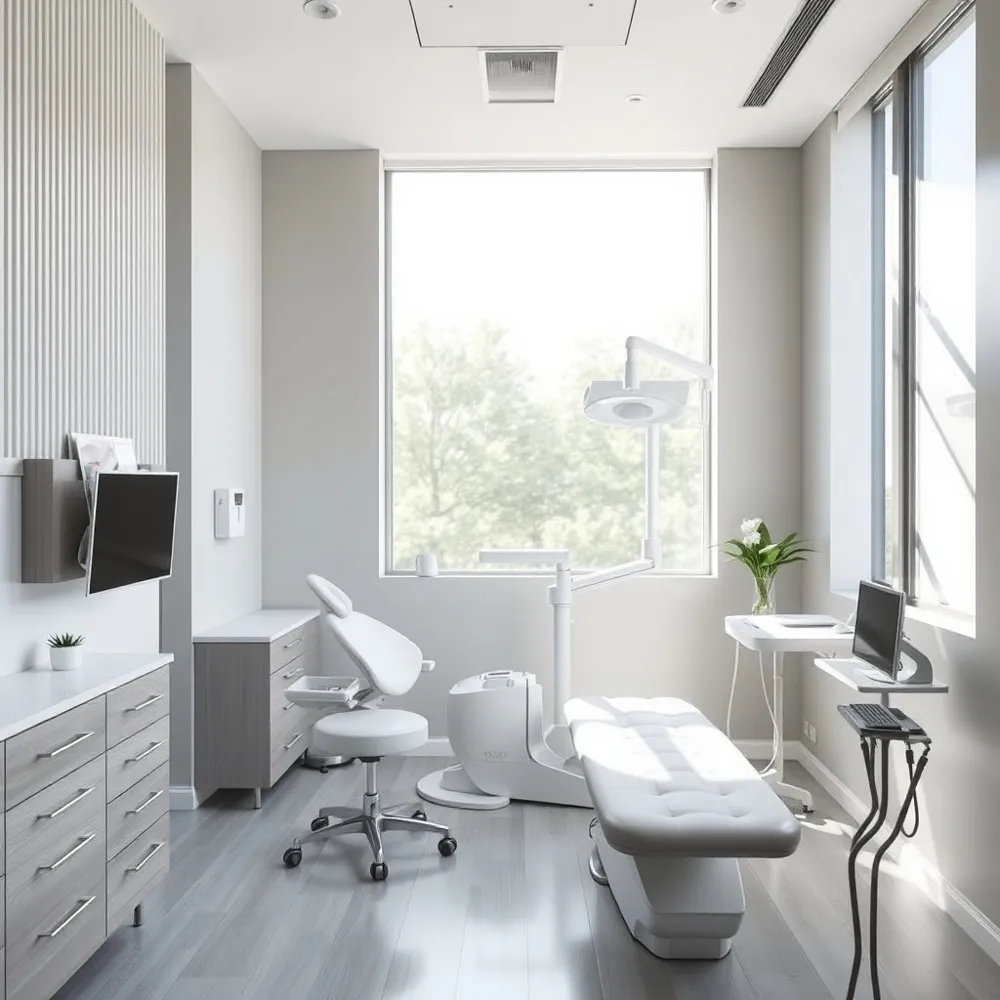
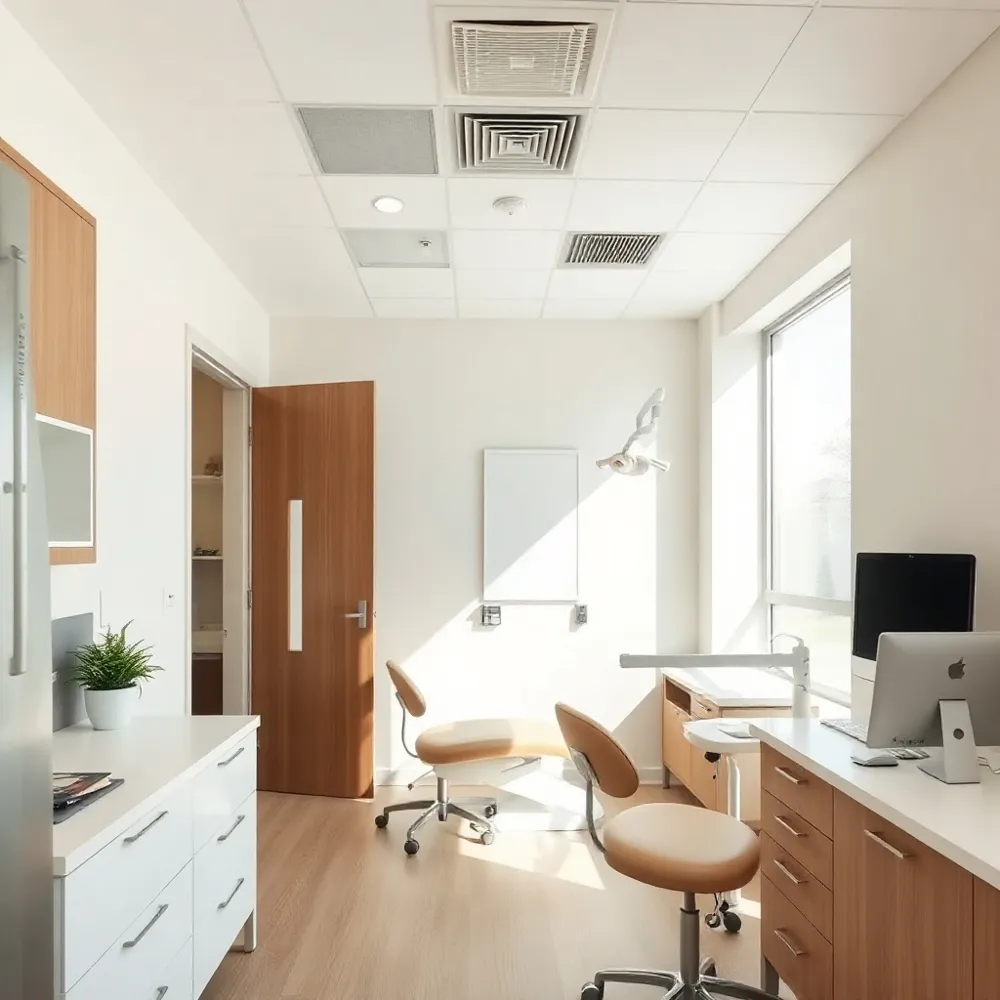
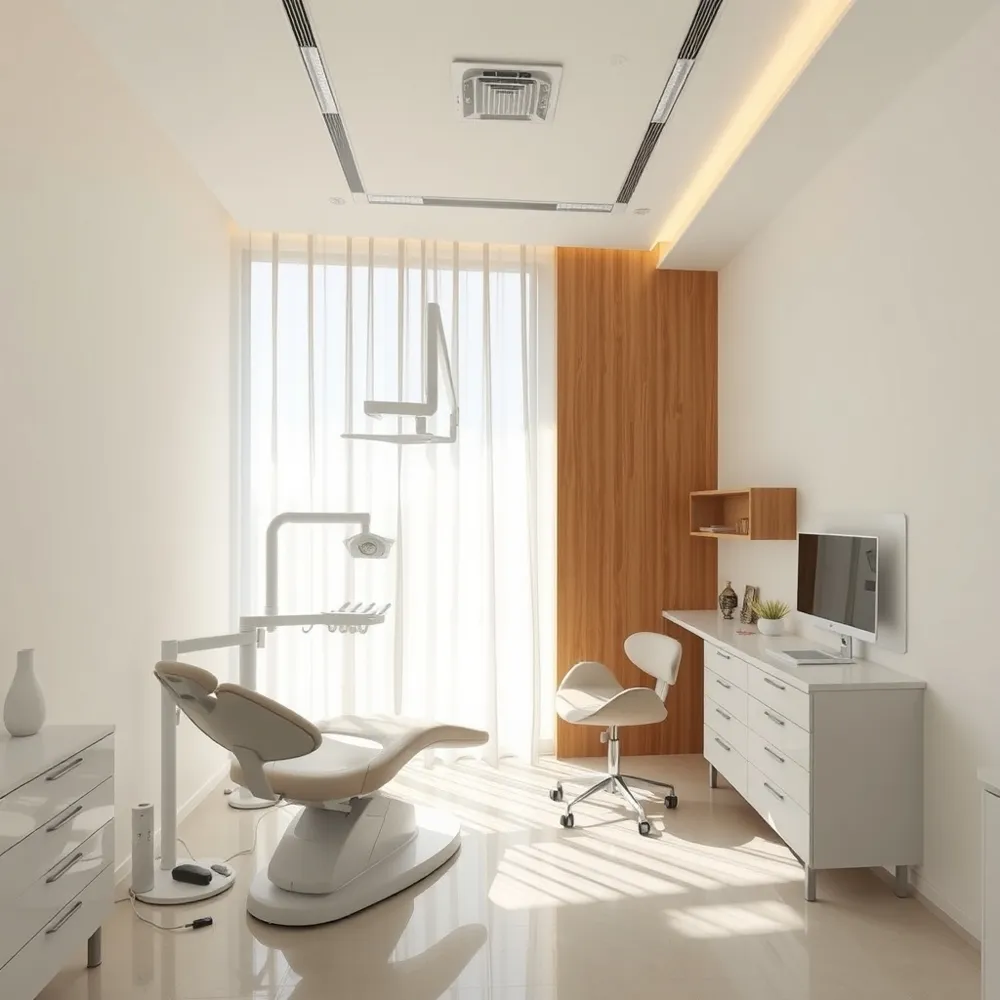
The physical environment of a dental practice profoundly shapes a patient’s state of mind. At Laguna Beach Dental Arts, we create a welcoming atmosphere using soothing music, warm lighting, and nature-themed imagery to reduce stress levels compared to the cold, sterile aesthetics found in traditional clinics. Such intentional design choices help transform a clinical setting into a place of rest.
Technological integration also plays a vital role in patient comfort. Using digital diagnostics and AI-assisted imaging at Laguna Beach Dental Arts allows us to provide clear, real-time visual explanations of oral health conditions. By demystifying the process, these tools alleviate fear of the unknown that often haunts traditional office experiences. Furthermore, streamlining workflows through features like online scheduling and same-day availability ensures that appointments are efficient, preventing the anxiety associated with long wait times.
Dental professionals can effectively manage patient anxiety by employing a proportionate, multi-level approach tailored to the individual’s specific needs. For patients with lower anxiety, creating a calming office environment and reducing uncertainty through clear communication about procedures can significantly improve comfort. More moderate anxiety may be addressed by teaching patients practical coping strategies to help them feel more in control during their visit. For those with severe or phobic anxiety, the integration of pharmacological methods, such as conscious sedation, along with psychological support, can provide necessary relief. Ultimately, a successful approach combines careful patient assessment with a personalized blend of behavioral techniques and professional clinical support.
Prioritizing Your Comfort for a Healthier Smile
Regular dental check-ups serve as the most effective defense against the need for complex, invasive procedures. By attending routine exams at Laguna Beach Dental Arts, you allow our team to detect issues before they escalate, supporting long-term oral health.
Consistency remains vital because each positive visit builds confidence and helps dismantle the anxiety cycle. Prioritizing your comfort through proactive care and open dialogue with our staff ensures that maintaining a healthy, beautiful smile becomes a stress-free habit rather than a hurdle to overcome.