

Modern Technology as a Catalyst for Advanced Oral Care
Digital innovation has fundamentally reshaped the modern dental experience, shifting the focus from reactive corrections toward proactive, personalized health management. By replacing aging analog methods with advanced tools, practices are now able to provide care that is significantly more precise and accessible.
At Lagua Beach Dental Arts, this technological integration is central to the patient experience. The practice utilizes AI-assisted imaging to enhance diagnostic accuracy, allowing for digital diagnostics that help patients better visualize their own oral health status. This approach ensures that patients are not just recipients of treatment but active partners in their own dental journey.
The core philosophy relies on blending routine preventive care with the latest clinical advancements. By combining restorative function with aesthetic goals, the team ensures that every visit is as comfortable as it is effective. This commitment to modern solutions, including same-day emergency care, reflects a dedication to both clinical excellence and the overall well-being of every patient.
Enhancing Diagnostic Accuracy With AI and Digital Imaging
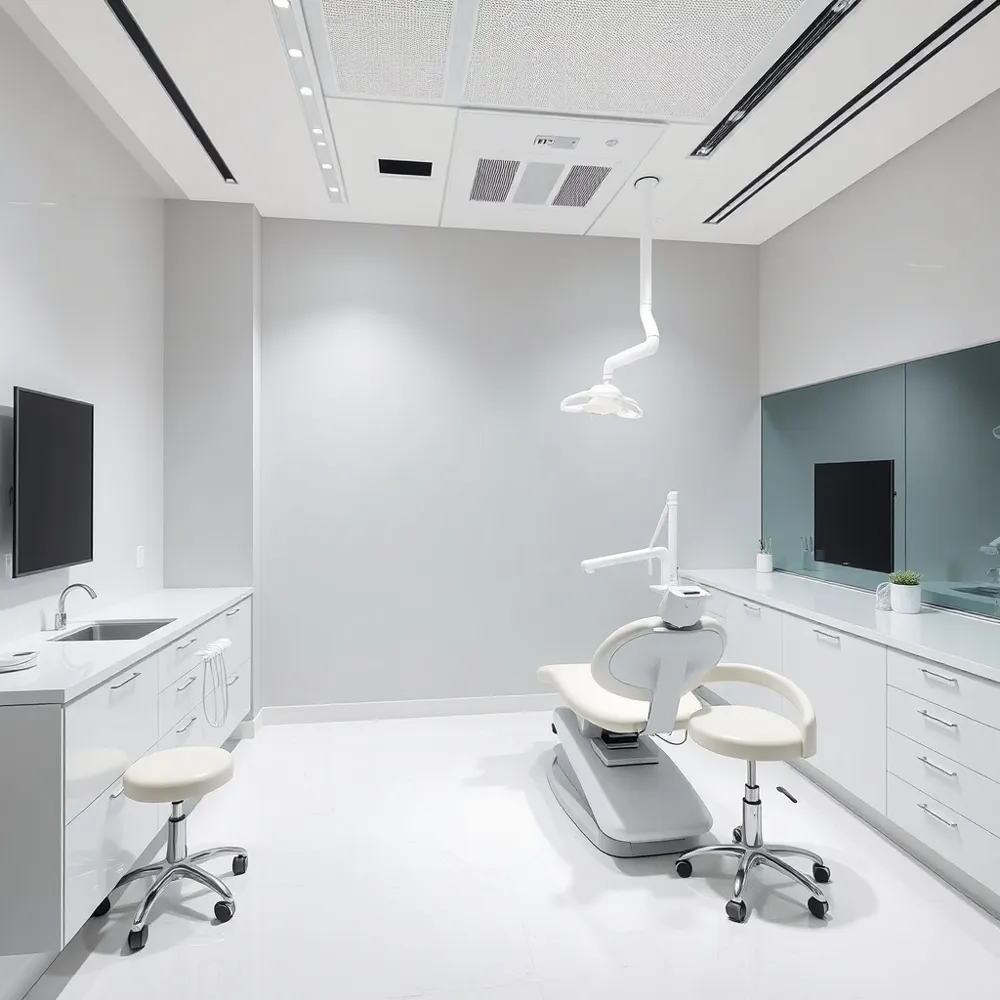
The evolution of diagnostic technology has fundamentally altered how clinicians identify oral health issues. Traditional 2D film X-rays often suffer from limitations like image overlap and distortion, which can obscure critical anatomical details. Modern digital radiography provides a distinct advantage, delivering higher-resolution images while significantly reducing radiation exposure—often by up to 80 to 90 percent compared to legacy film methods. This clarity allows practitioners at the practice to move beyond simple surface inspections and gain a reliable view of hard and soft tissues.
Deep learning models, specifically convolutional neural networks, have emerged as the standard for identifying pathologies that may escape human detection. By analyzing radiographs pixel by pixel, these algorithms pinpoint anomalies such as small caries, fractures, or bone loss with high precision. While traditional diagnostic checks might overlook subtle changes, AI-driven systems provide consistent, objective measurements of bone levels, ensuring that diagnoses remain standardized regardless of the clinician’s level of fatigue or subjective interpretation, as detailed in recent narrative reviews on AI in dental radiology.
What role does AI play in diagnostic imaging and clinical accuracy?
AI serves as a powerful assistant for interpreting dental images, such as X-rays and CBCT scans, by identifying patterns and anomalies that might be too subtle for the human eye to detect. By flagging potential issues early, the technology enhances diagnostic precision and significantly reduces the time clinicians spend reviewing complex cases. This integration of AI also transforms patient education, as practitioners can use visual AI findings to provide clearer, more understandable explanations of a patient’s oral health status. Ultimately, by merging advanced algorithms with human expertise, AI helps minimize the margin for error and improves clinical outcomes. At our practice, this technology ensures that every treatment plan is backed by data-driven accuracy and greater clinical insight.
Beyond mere detection, this technology facilitates a transition toward proactive oral health management. By utilizing predictive modeling, clinicians can now forecast potential complications based on a patient’s historical trends and existing imaging data. This shift allows for targeted, less invasive interventions, preventing the progression of disease before it requires more extensive and costly restorative work. Such integration of AI-assisted imaging enables modern practices to maintain a higher standard of care, where diagnostic findings become the foundation for personalized, long-term health strategies rather than just episodic fixes.
The Evolution of Patient Comfort Through Modern Tools
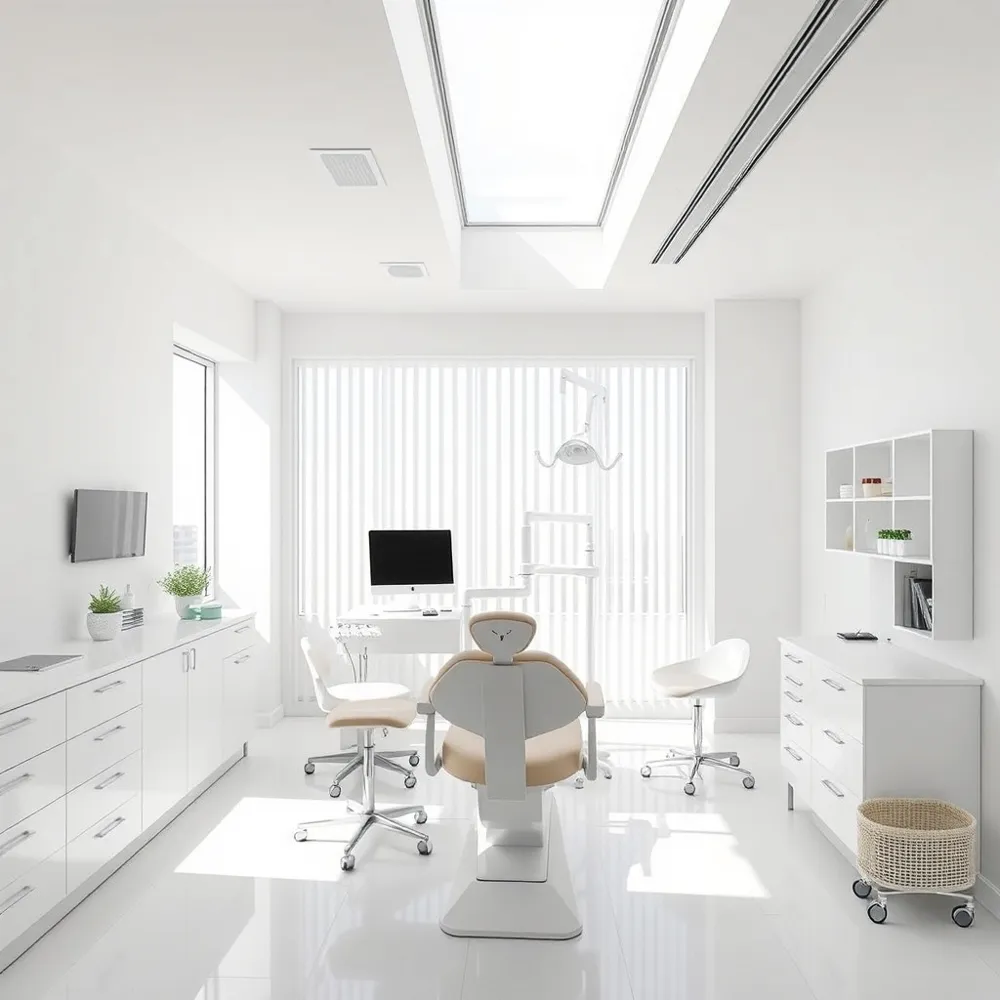
Modern technology enhances patient comfort by shifting toward minimally invasive tools, such as laser dentistry, which significantly reduces the noise, vibration, and sensitivity associated with traditional drills. Practitioners at Laguna Beach Dental Arts leverage these innovations to provide a more relaxing experience, ensuring that treatments like gum reshaping or cavity removal are performed with minimal discomfort, often reducing the need for anesthesia compared to traditional methodologies.
Beyond lasers, the integration of air abrasion and silent, piezoelectric handpieces represents a major departure from the high-pitched sounds and intense vibrations of legacy equipment. These tools minimize sensory impact, helping patients remain calm and comfortable throughout procedures. At our practice, every technological investment aims to reduce patient anxiety, creating a more approachable clinic environment where routine cleanings and complex restorative work feel significantly less intrusive.
| Technology Feature | Traditional Method | Modern Advantage |
|---|---|---|
| Removal of Decay | Mechanical drills | Less noise, vibration |
| Soft Tissue Care | Scalpels, sutures | Less bleeding, faster healing |
| Patient Sedation | Higher anesthesia | Reduced need for numbing |
The performance gap between old and new tools is measurable in clinical outcomes. While traditional drills often necessitated longer recovery windows due to trauma to surrounding healthy tissue, laser-assisted procedures offer precise energy application. This precision allows patients to return to their daily routines faster, benefiting from shorter chair time and a significantly smoother healing process.
Digital Impressions and the End of Messy Traditions
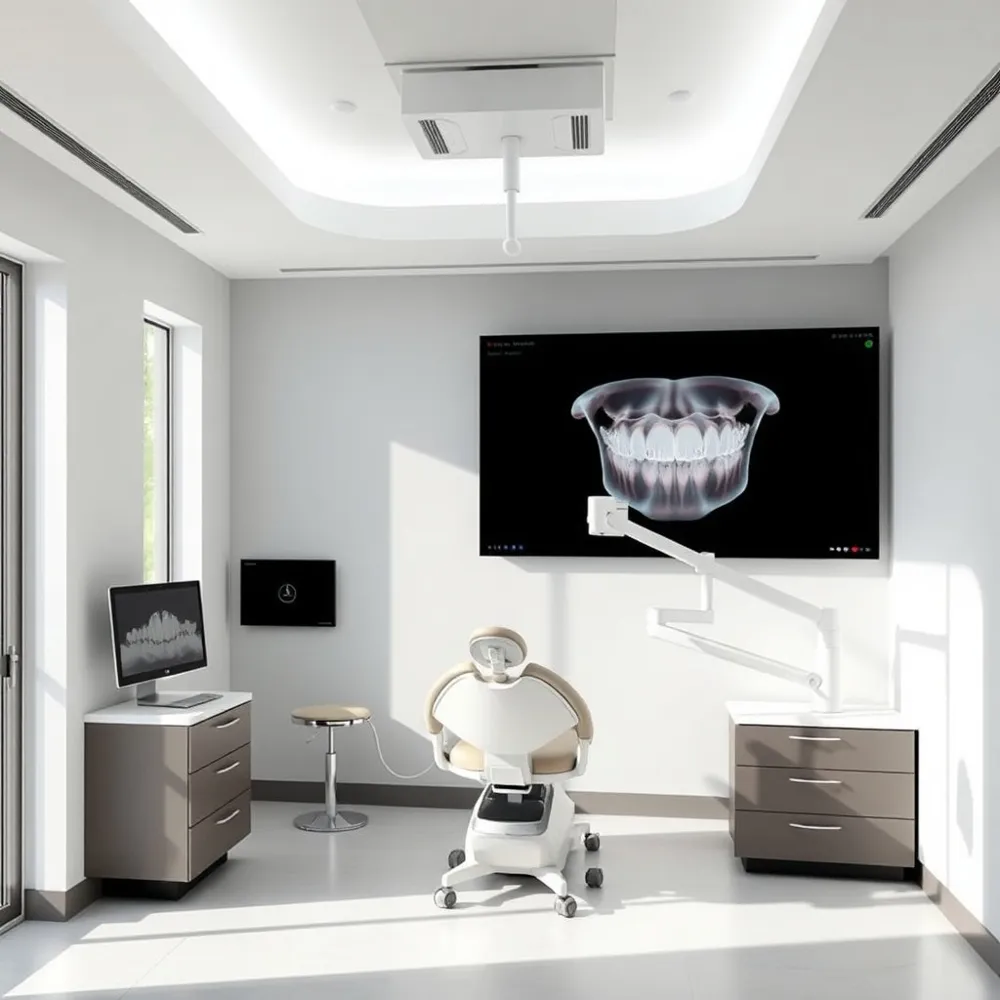
The traditional dental impression process, once reliant on messy alginate trays and uncomfortable materials, has been rendered obsolete by intraoral scanners. These handheld devices use advanced optical sensors to capture a high-precision 3D digital model of your teeth and oral structures, which are typically exported as STL files. By bypassing the physical molding process, practitioners can eliminate the risk of distortion often associated with manual material handling.
What are the advantages of using digital impressions over traditional models?
Digital impressions offer significant advantages by replacing traditional, messy impression materials with highly precise, non-invasive intraoral scanning technology. This digital approach is far more comfortable for patients, particularly those with a sensitive gag reflex, as it eliminates the need for bulky trays and unpleasant-tasting putties. We utilize these tools to ensure higher fidelity in the resulting data compared to conventional methods used by practices that still rely on physical molds.
Beyond comfort, the high-resolution 3D images produced are remarkably accurate, leading to better-fitting dental restorations like crowns, bridges, and aligners. This precision reduces the need for time-consuming adjustments or repeat appointments. The process is also highly efficient, as digital models can be sent to dental laboratories electronically, accelerating the turnaround time for your treatment. Furthermore, these virtual models allow our team to share clear visual representations of your oral health on-screen, helping you stay informed and confident in your proposed treatment plan.
Streamlining Workflows for Efficiency and Care
Digital dentistry significantly improves the efficiency of dental visits by replacing traditional, time-consuming methods with precise digital workflows. The use of intraoral scanners and digital imaging replaces messy physical impressions, allowing for faster diagnostics and highly accurate, real-time treatment planning. Because these digital files can be instantly processed or transmitted, practices can often consolidate multiple appointments into a single-visit experience, such as for same-day crown restorations.
How does digital dentistry improve the overall efficiency of dental visits?
The integration of CAD/CAM (computer-aided design and manufacturing) allows for the in-office fabrication of custom dental restorations. By eliminating the reliance on external laboratories for basic prosthetic creation, we can deliver final results in far less time than standard practices. This technology also facilitates digital smile design, which provides a preview of aesthetic outcomes for procedures like veneers and clear aligner therapy, ensuring high levels of patient satisfaction before treatment commences.
Beyond clinical speed, these systems offer important environmental advantages. By moving to a paperless and digital-first approach, modern practices reduce the need for physical molding materials, disposable trays, and the chemical waste associated with traditional film processing. We leverage these automated workflows not only to improve sustainability but also to reclaim time for patient education and personalized care, ensuring every visit is as productive as it is comfortable.
Collaborative Technology: The Future of the Human-AI Partnership
Will AI eventually replace human dentists in the diagnosis of dental conditions?
Artificial intelligence is designed to augment rather than replace human expertise, serving as a powerful tool to enhance diagnostic accuracy and efficiency. While AI excels at processing data-driven insights from complex imaging and diagnostic records, it lacks the critical clinical judgment and empathy required for comprehensive, personalized patient care. A human dentist remains essential to synthesize technological findings within the context of a patient’s full medical history and lifestyle. Furthermore, the practice of dentistry involves nuanced physical examinations and ethical decision-making that cannot be automated. At Laguna Beach Dental Arts, clinicians utilize these tools to act as a primary partner in your health, ensuring that technology serves the patient-provider relationship rather than replacing it.
What are the primary benefits of incorporating modern technology into dental care?
Incorporating modern technology significantly enhances both clinical precision and the overall patient experience. Advanced tools, such as AI-assisted digital diagnostics, allow dentists to gain deeper insights into oral health, enabling proactive rather than reactive treatment planning. These integrated systems streamline administrative tasks and data collection, which reduces manual effort and allows providers to dedicate more focus to direct patient interaction at our practice. Furthermore, patients benefit from increased transparency through digital visual aids that simplify complex findings, fostering greater confidence in their treatment journeys. This integration results in a seamless, efficient, and comfortable environment where high-quality outcomes are more accessible and tailored to your specific aesthetic and functional goals.
Commitment to Excellence
At Laguna Beach Dental Arts, the integration of AI-assisted imaging and high-precision digital diagnostics serves a singular purpose: building lasting patient trust. By allowing individuals to visualize their oral health status in real time, our team empowers patients to take an active, informed role in their treatment journey. This commitment to transparency ensures that every clinical decision is grounded in clarity and shared understanding.
The practice maintains a firm mission to deliver comprehensive and personalized care, blending sophisticated restorative treatments with aesthetic dentistry to meet every patient’s unique needs. By prioritizing both long-term health and patient comfort, our clinic continues to set a high standard for modern oral care. Patients are encouraged to experience the difference firsthand and discover how advanced digital dentistry transforms the traditional dental experience into one of convenience, precision, and confidence.