
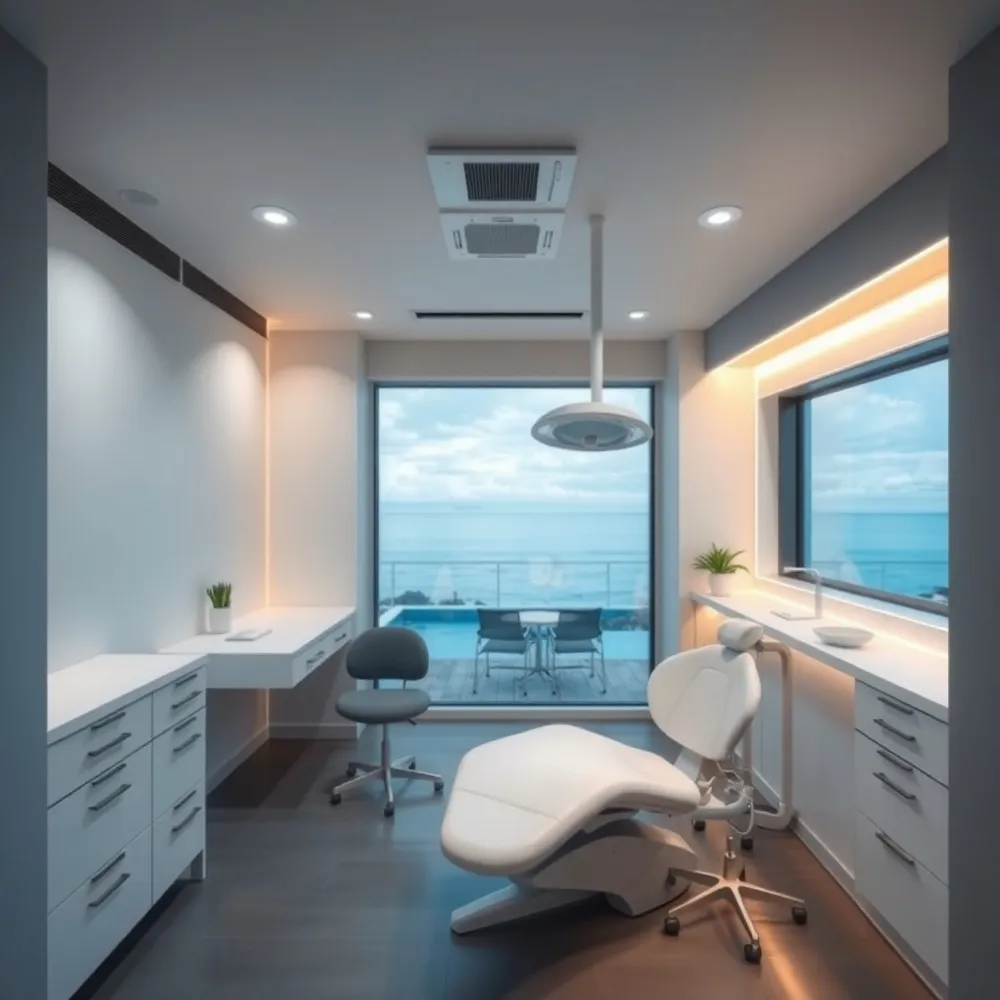
Transforming the Dental Visit Through Advanced Technology
The evolution from traditional, anxiety-inducing appointments to a modern, patient-first model is defined by the integration of digital tools. While older methods relied on messy physical molds and manual imaging, contemporary dental practices now emphasize speed and comfort. These shifts reduce the physical burden of care, replacing outdated film-based X-rays with low-radiation digital radiography that, for some systems, can lower exposure by up to 90%, according to data from the American Dental Association.
At Laguna Beach Dental Arts, this technological shift focuses on transparency and precision. By using AI-assisted diagnostics to process clinical images, the team turns complex data into clear visuals, helping patients understand their oral health needs immediately. This approach stands in contrast to conventional offices that often lack these visual diagnostic aids, leaving patients disconnected from their own treatment plans.
By replacing invasive procedures with laser-assisted care and reducing wait times through automated workflows, such as those discussed in recent PMC research, modern dentistry ensures a more predictable experience. This elevated standard allows patients to feel confident in their clinical outcomes, knowing their treatment is backed by accurate, real-time diagnostics.
Advancements in Modern Dental Diagnostic and Restorative Technology
- Intraoral scanners replace messy, uncomfortable putty molds with precise 3D images.
- Intraoral cameras provide real-time visual feedback to improve patient-dentist transparency.
- Laser dentistry offers a quiet, minimally invasive alternative to mechanical drills.
- Laser technology often reduces the need for local anesthesia and promotes healing.
- CBCT imaging provides a volumetric 3D perspective for complex restorative planning.
- CEREC systems enable same-day creation of custom crowns and restorations.
- Digital radiography reduces patient radiation exposure by up to 90%.
- AI-driven administrative tools automate scheduling and insurance verification processes.
- Digital design software allows patients to preview aesthetic results before treatment.
- CAD/CAM and 3D printing systems enhance the geometric accuracy of restorations.
1. Eliminating Messy Molds with Digital Impression Scanners
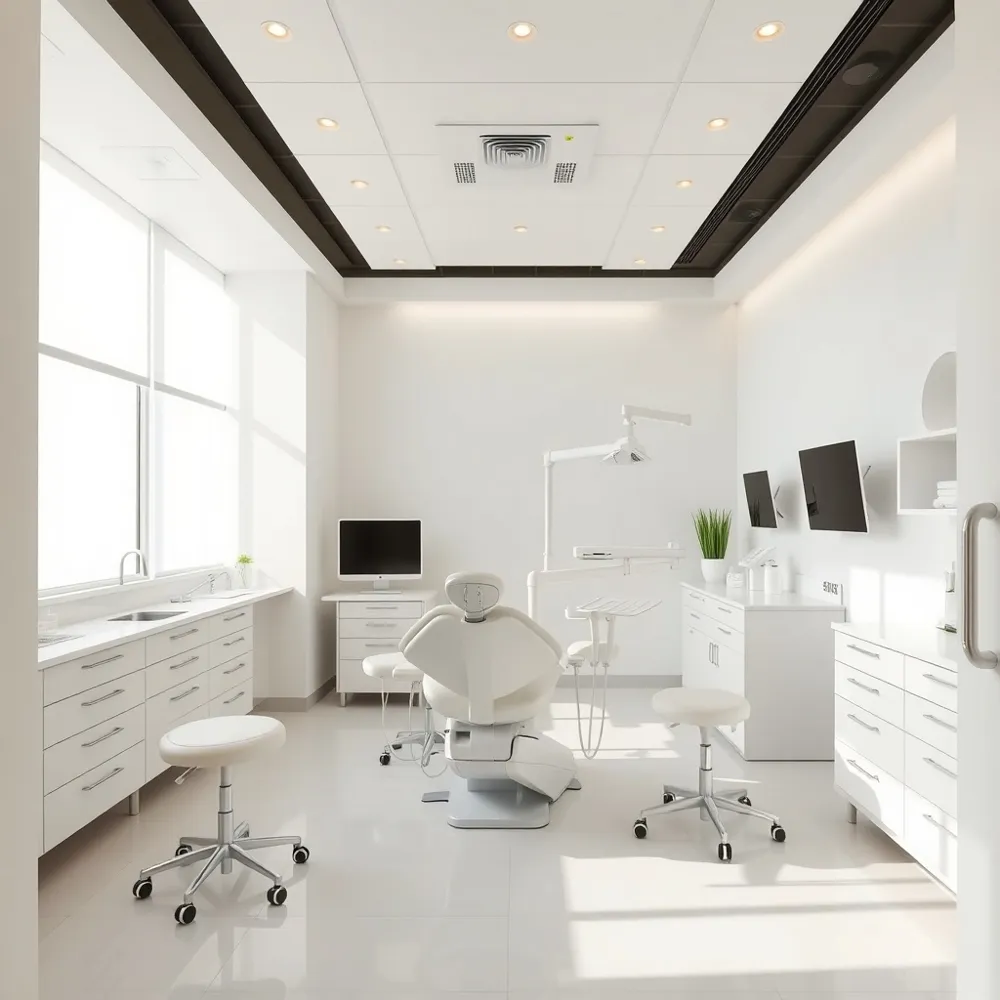
For many, the mention of dental impressions triggers memories of uncomfortable, oversized metal trays filled with thick, putty-like material. These traditional methods frequently cause gagging and physical strain. At Laguna Beach Dental Arts, we have replaced these outdated tools with intraoral scanners that capture precise 3D images of your teeth and gums in minutes.
By shifting to a fully digital workflow, the experience becomes much more seamless. Instead of waiting for materials to set while enduring an unpleasant physical mold, you can watch as a high-definition model of your mouth appears on screen in real time. This technology offers significantly higher accuracy than analog methods, ensuring that custom-fitted dental restorations are highly precise from the start.
Beyond superior comfort, digital scanning enables faster turnaround times for crowns and aligners. Because the data is recorded instantly and transmitted electronically to the laboratory, errors associated with physical storage or shipping are eliminated. This approach underscores our commitment to providing efficient, modern care that prioritizes both your health outcomes and your comfort in the chair.
2. Enhancing Transparency with Real-Time Intraoral Cameras

Intraoral cameras are transforming the standard checkup into an interactive educational experience. Instead of relying on spoken descriptions of hidden dental issues, dentists at Laguna Beach Dental Arts utilize these pen-sized devices to capture high-definition, real-time imagery of a patient’s mouth. This instant visual feedback allows individuals to see exactly what the doctor sees, effectively removing the ambiguity that often accompanies traditional diagnostic methods.
By projecting these clear, magnified images directly onto a monitor, practitioners can guide patients through their own oral health status in real time. This level of transparency is essential for building authentic trust, as it moves the relationship away from a passive ‘take the doctor’s word for it’ model, as noted by research on increasing patient engagement with diagnostic tools, per the ADA. When patients can see evidence of decay or micro-cracks firsthand, they are better equipped to understand the clinical rationale behind proposed treatment plans.
Beyond routine exams, high-resolution visuals facilitate deeper communication regarding long-term oral health goals. This proactive approach ensures that patients feel empowered and informed before any procedure begins, which significantly improves long-term clinical outcomes and overall satisfaction with their dental care.
3. Minimizing Invasiveness with Advanced Laser Dentistry
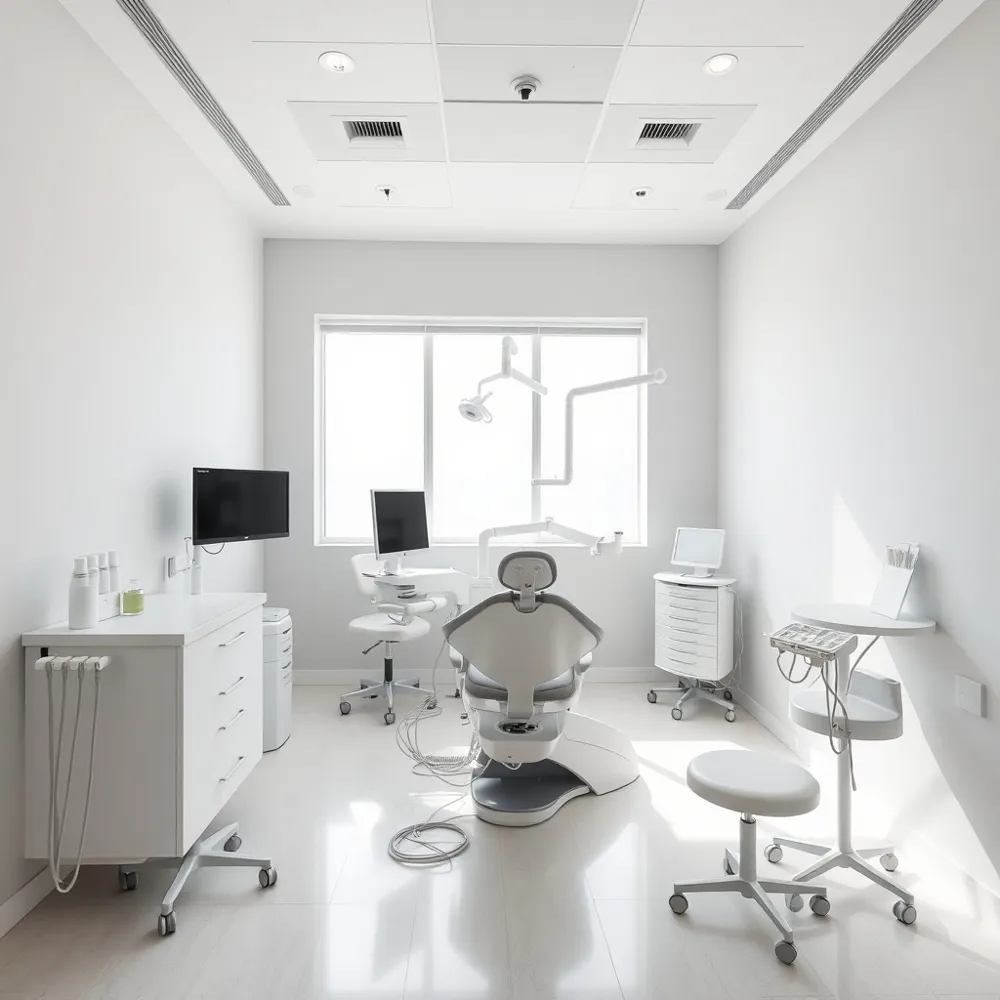
For patients who prioritize a calm and gentle dental visit, laser dentistry offers a highly precise alternative to traditional mechanical tools. While older, conventional methods rely on high-speed drills that can be loud and induce vibration, Solaris and similar laser systems operate quietly and efficiently. This advanced approach reduces the need for local anesthesia, helping those with dental anxiety feel more at ease during soft tissue procedures, such as gum contouring or cavity preparation PMC10093858.
Beyond immediate comfort, the clinical advantages of light-based technology translate into a faster recovery. Because lasers provide greater precision when removing decay or reshaping tissue than a standard scalpel, they significantly reduce bleeding while also promoting quicker healing for the patient. Minimal swelling and reduced discomfort reflect the effectiveness of laser-assisted care in modern practice, ensuring that patients can return to their daily routines with minimal disruption.
- Elimination of excessive noise and vibration caused by traditional drills.
- Reduction or removal of the need for anesthesia in specific cases.
- Increased precision for soft tissue procedures and gum health.
- Faster post-operative healing and decreased risk of inflammation.
4. Achieving Precision with 3D Cone Beam Computed Tomography
For patients undergoing complex restorative work, Cone Beam Computed Tomography (CBCT) offers a level of diagnostic clarity that traditional 2D imaging simply cannot match. Unlike a standard X-ray, this advanced technology provides a comprehensive volumetric scan of the teeth, jawbone, and soft tissues. At Laguna Beach Dental Arts, we prioritize this 3D perspective to ensure our patients receive accurate, data-driven treatment plans.
This imaging is essential for secure implant placement. By capturing high-definition anatomical details, clinicians can utilize computer-aided surgical planning to study nerve pathways and sinus positions before a procedure ever begins. This proactive approach significantly reduces the margin for error compared to practices relying solely on flat imaging, which often obscures critical structures.
The depth provided by CBCT allows for a more personalized experience, letting patients visualize the foundation of their oral health. While some traditional dental offices work with limited 2D views, integrated 3D diagnostics allow us to predict outcomes and manage complex cases, such as custom surgical guides for implants, with industry-leading precision.
5. Saving Time with Same-Day CEREC Restorations
Traditional restorative dentistry often forced patients to navigate a multi-week process, complete with fragile temporary crowns and the need for at least two separate office visits. At Laguna Beach Dental Arts, the integration of CEREC technology has replaced this extended timeline with a streamlined, single-appointment solution. By utilizing advanced computer-aided design and manufacturing (CAD/CAM) systems, dentists can now design, mill, and place custom, high-quality restorations in one comfortable visit.
This shift towards same-day service offers clear advantages for individuals balancing demanding professional or personal schedules. Rather than accounting for a second round of anesthesia and the removal of temporary materials, the digital workflow facilitates quick, durable results. Research in the PMC notes that these innovations in CAD/CAM technology have fundamentally improved treatment efficiency. Modern systems ensure a precise fit and natural aesthetic that rivals traditional lab-fabricated options, all while eliminating the unpredictability often associated with outdated restorative workflows.
6. Prioritizing Safety with Low-Radiation Digital Radiography
Modern dental care has moved beyond the reliance on traditional film-based X-rays, replacing them with digital radiography. This shift prioritizes patient safety by offering a significant reduction in radiation exposure, which can reach up to 90% less compared to older methods. By utilizing electronic sensors rather than silver-oxide film, dental practices like Laguna Beach Dental Arts create a cleaner environment that eliminates the need for caustic chemical solutions often associated with manual film development.
Efficiency remains another hallmark of this technology. Unlike traditional X-rays that require time-consuming processing in a darkroom, digital systems provide instant imagery that appears immediately on treatment room monitors. This rapid access to high-quality diagnostics allows practitioners at Laguna Beach Dental Arts to assess oral health status in real-time, fostering clearer communication and enabling patients to play an active role in their treatment plans.
7. Streamlining Care with Automated Administrative Workflows
Modern dental practices are increasingly turning to artificial intelligence to handle time-consuming administrative burdens. By adopting automated booking systems and virtual consultation platforms, dental offices can now organize complex schedules without the constant involvement of manual staff interventions. This shift directly favors the patient experience at Laguna Beach Dental Arts, where integrated digital workflows replace outdated paper-based tracking to keep appointments moving smoothly.
These automated systems effectively eliminate many common frustrations, such as long hold times or repetitive scheduling conflicts. By utilizing AI-driven virtual assistants, practices can manage billing, insurance verification, and appointment reminders behind the scenes. This efficiency at Laguna Beach Dental Arts ensures that patients spend less time in the waiting room and more time in the chair undergoing high-quality care.
When administrative tasks are relegated to digital workflows, clinical staff can finally dedicate their full attention to the patient rather than administrative paperwork. This focus on direct interaction fosters a more personalized environment where clinicians provide evidence-based care instead of managing legacy office procedures. As the American Dental Association notes, establishing standards for these technologies ensures that automation enhances clinical judgment without sacrificing the personal touch that defines a professional dental visit.
8. Empowering Consultations with Digital Smile Design Tools
At Laguna Beach Dental Arts, we prioritize clear communication by utilizing specialized digital smile design software. This technology bridges the gap between clinical intent and patient understanding by creating precise visual simulations of potential aesthetic outcomes, such as those for veneers or clear aligners. By allowing patients to preview their expected results before beginning any treatment, we foster a level of confidence and clarity that traditional verbal explanations struggle to achieve.
Unlike some practices that rely solely on static models, our approach integrates these digital tools directly into the consultation process. This allows patients to actively participate in defining their treatment goals, ensuring the final result aligns with their personal vision. High-resolution previews enable individuals to visualize their future smiles, which is essential for informed decision-making and patient satisfaction throughout the cosmetic journey.
As noted by recent research, tools such as facial scanning systems help dentists simulate outcomes directly on a patient’s own anatomy. This level of personalization prevents guesswork and builds trust, as patients can see how proposed changes harmonize with their unique facial features. By shifting the consultation focus from abstract concepts to interactive visual planning, we empower our patients at Laguna Beach Dental Arts to take ownership of their dental health and aesthetic aspirations.
How Modern Technology Shapes the Patient Journey
Modern technology has fundamentally transformed the dental experience by shifting the focus toward greater comfort, precision, and patient-centered care. Innovations such as digital impression scanners eliminate the need for traditional, uncomfortable putty molds, while intraoral cameras allow patients to view their oral health in real time, fostering clearer communication and trust. Advanced diagnostics like Cone Beam 3D imaging provide a deeper, more accurate understanding of complex conditions, leading to safer and more predictable treatment outcomes. These tools, alongside laser dentistry and streamlined digital workflows, significantly reduce chair time and anxiety for the patient.
At Laguna Beach Dental Arts, this commitment to technology-driven care is evident in how we approach every consultation. By replacing vague clinical findings with high-resolution visual evidence, our team minimizes the uncertainty that often drives dental anxiety. While some practices still rely on traditional diagnostic methods that can lead to multiple follow-up appointments and physical discomfort, we choose to integrate precision-focused tools that create a seamless standard of care. This approach ensures that your time in the chair is focused on your health needs, rather than the logistics of outdated manual procedures.
Ultimately, integrating these modern advancements allows practices to provide more personalized, efficient, and accessible care that empowers patients to take an active role in their own oral health journey. Studies show that patients who can visualize their own health issues through AI-powered diagnostic tools are more likely to understand the rationale for treatments, which directly supports higher engagement and improved clinical outcomes. By prioritizing digital radiography and other diagnostic efficiencies, we reduce the time between identification and intervention, ensuring you receive the precise care you need without unnecessary delays.
The Use of AI in Modern Dental Diagnostics
Artificial intelligence is transforming contemporary dentistry by acting as a sophisticated diagnostic assistant that enhances the accuracy and speed of identifying oral health issues like cavities and bone loss. While traditional methods rely heavily on subjective interpretation, modern artificial intelligence platforms provide objective, data-backed insights. By utilizing AI-assisted imaging, dentists can detect subtle irregularities earlier than ever, allowing for more proactive and conservative treatment plans.
These intelligent systems also streamline clinical workflows, reducing the time spent on manual chart analysis and complex diagnostics. The American Dental Association (ADA) continues to establish rigorous standards for these implementations to ensure that clinical judgment and human oversight remain the cornerstone of patient care. Outside of clinical assessment, AI algorithms serve as a critical bridge between provider and patient.
Ultimately, this technology empowers patients by providing clearer, data-driven visual explanations of their oral health, fostering deeper trust and transparency. AI-powered image analysis software can translate complex radiographic findings into simple, accessible visuals, moving beyond the traditional model where patients simply had to take their provider’s word for it. By integrating these advanced tools, Laguna Beach Dental Arts combines clinical precision with a highly personalized and efficient patient experience, ensuring each individual understands their unique diagnostic roadmap.
Advancements in Cosmetic and Restorative Dentistry
The integration of CAD/CAM (computer-aided design and manufacturing) systems and 3D printing has fundamentally reshaped the restorative landscape. By replacing manual wax-ups and traditional lab delays with precise digital workflows, dental practices can now create high-quality crowns, veneers, and bridges with newfound speed. At Laguna Beach Dental Arts, these technologies are used to translate digital impressions into custom restorations that offer a superior fit and natural aesthetics, ensuring patients receive durable results that mimic the translucency of natural tooth enamel.
How has 3D printing and CAD/CAM technology changed cosmetic dentistry?
These innovations have transitioned dentistry from a multi-visit experience to a streamlined process that prioritizes patient convenience. Using CAD/CAM systems, clinicians can design and mill restorations in a single office visit, eliminating the discomfort and inconvenience of temporary appliances. This shift not only accelerates the timeframe for completing complex work but also reduces the margin for error often associated with physical impression materials like silicone putties.
Beyond efficiency, these tools enhance clinical precision. Modern 3D printing allows for the production of surgical guides and diagnostic models with high geometric accuracy, providing a roadmap that guides complex procedures like dental implants. By reducing the reliance on external laboratories, dental teams can maintain full control over the restorative process, resulting in a more predictable and elevated patient journey that delivers both functional durability and high-end cosmetic appeal.
Embracing the Future of Personalized Dental Care
The integration of advanced digital tools has shifted the dental experience from a traditional, reactive model to one defined by precision and proactive health management. By leveraging technologies like AI-driven diagnostics and real-time imaging, clinicians now offer care that is more accurate, transparent, and comfortable than ever before. These innovations ensure that every treatment is tailored to a patient’s unique anatomy, fostering greater confidence in every clinical decision.
At Laguna Beach Dental Arts, we remain committed to adopting the latest technological advancements to maintain this high standard of care. By blending clinically proven solutions like modern radiography and specialized imaging with a focus on patient education, we help our community achieve lasting oral health. This commitment ensures that our patients benefit from the most effective evidence-based practices available today.
Modern dentistry should be approachable, efficient, and deeply personalized. We invite you to visit lagunabeachdentalarts.com to explore how our digital workflows and commitment to innovation can enhance your next checkup. Experience a higher level of dental care where your health and comfort are the primary focus of every procedure.