Why Trust Matters in Dentistry
Trust is the cornerstone of a successful dentist‑patient relationship and directly shapes both satisfaction and oral‑health outcomes. When patients feel confident that their dentist listens, explains options in plain language, and provides transparent cost estimates, anxiety drops and compliance rises. Research shows that clear communication and shared decision‑making reduce dental fear, leading to higher rates of regular six‑month check‑ups and adherence to preventive measures such as cleanings, fluoride treatments, and oral‑cancer screenings. Trust‑building practices—like offering multiple treatment choices, avoiding unnecessary upselling, and promptly scheduling same‑day emergency appointments—reinforce the perception of reliability and encourage patients to return for routine care rather than delaying until problems become urgent. Moreover, offices that combine modern technology (AI‑assisted imaging, digital X‑rays) with a calm, friendly environment provide patients with visual evidence of competence, further easing anxiety. Positive online reviews, word‑of‑mouth referrals, and transparent in solidify the practice’s reputation, creating a virtuous cycle: satisfied patients share their experiences, attract new patients, and sustain high‑quality, preventive‑focused care. In short, trust fuels patient comfort, promotes consistent preventive visits, and ultimately improves long‑term oral health.
Listening, Transparency, and Personalized Communication

A trustworthy dentist first shows active listening—taking the time to hear each patient’s worries and documenting them before any treatment is suggested. This habit, highlighted in the 11 Traits of a Trustworthy, High‑Quality Dentist guide, sets the stage for offering multiple, evidence‑based treatment options rather than a single, upsell‑driven recommendation. Practices such as Ace Dental Boston and Laguna Beach Dental Arts consistently describe how they walk patients through each option, explaining benefits, risks, and costs in plain language. Transparent pricing is reinforced by written estimates and clear insurance verification, preventing surprise bills and building confidence. When you search for the best dentist, start by listing what matters most—location, hours, insurance acceptance, and a calm, clean office. Use reputable resources (ADA Find‑A‑Dentist, local dental societies, personal referrals) to narrow candidates, then schedule a brief “meet‑and‑greet” visit. Observe the staff’s friendliness, the office’s hygiene, and, most importantly, whether the dentist actively listens, presents several treatment paths, and provides a straightforward cost breakdown before any work begins. The dentist who does this most consistently is likely your ideal, long‑term oral‑health partner.
Professional Oversight & Industry Standards

State dental boards are government‑appointed agencies that set licensing qualifications, verify education and examinations, and enforce clinical conduct for dentists, hygienists, and related professionals. They issue licenses, monitor compliance, and can discipline practitioners who breach regulations. By mandating continuing‑education requirements, these boards help ensure clinicians stay current with advances in technology and safety—an assurance for patients of Laguna Beach Dental Arts that every provider meets rigorous, state‑mandated standards for competence and ethical care.
The American Dental Association (ADA) is the nation’s largest professional organization for dentists, founded in 1859 and headquartered in Chicago. It establishes evidence‑based clinical guidelines, offers continuing‑education courses, and publishes the Journal of the American Dental Association. The ADA Seal of Acceptance® signals that oral‑care products have been rigorously evaluated for safety and effectiveness, while its advocacy and patient‑education resources promote optimal oral health for both clinicians and the public.
Comprehensive Services and Specialized Care
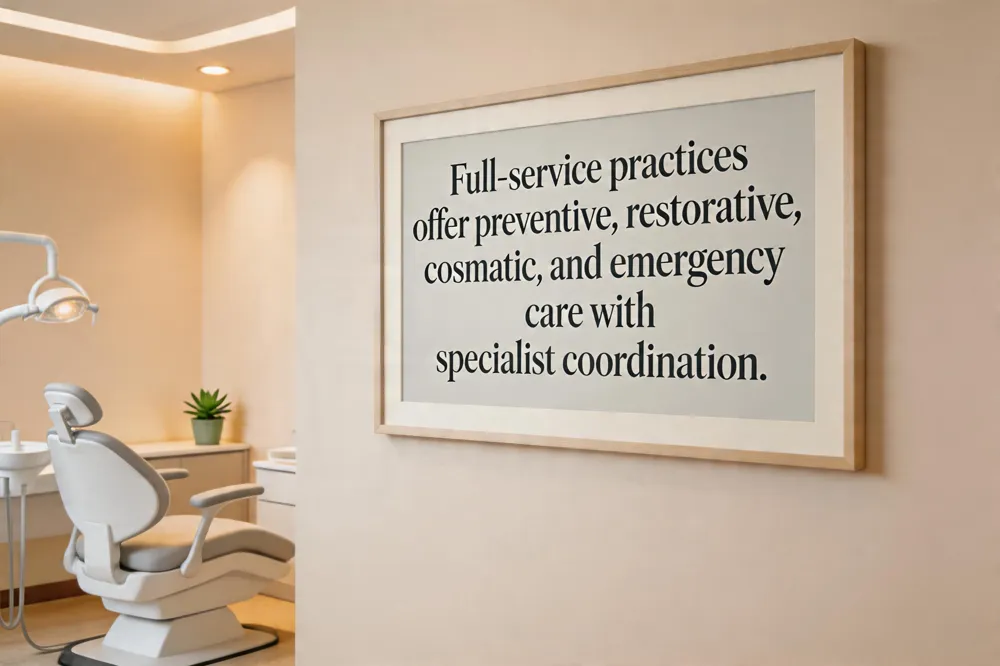
Modern dental offices such as Laguna Beach Dental Arts, Dental Partners of Boston, and Quality Dental illustrate how a full‑service practice can meet every oral‑health need under one roof. Preventive care includes routine exams, professional cleanings, digital X‑rays and patient education on hygiene and disease prevention. Restorative options span fillings, crowns, bridges, root canals, implants and full‑mouth rehabilitations, while cosmetic services offer veneers, professional whitening, Invisalign® clear aligners and smile design simulations. When a tooth is broken or lost, same‑day emergency appointments are available, ensuring prompt pain relief and restoration. Specialist involvement is essential for complex cases like dental implants. The specialist most often recommended for implants is a periodontist, who handles surgical placement, bone integration and gum health; oral surgeons or prosthodontists may also contribute to grafting or final crown fabrication. This coordinated approach guarantees evidence‑based, patient‑centered care.
Patient Education Powered by Advanced Technology
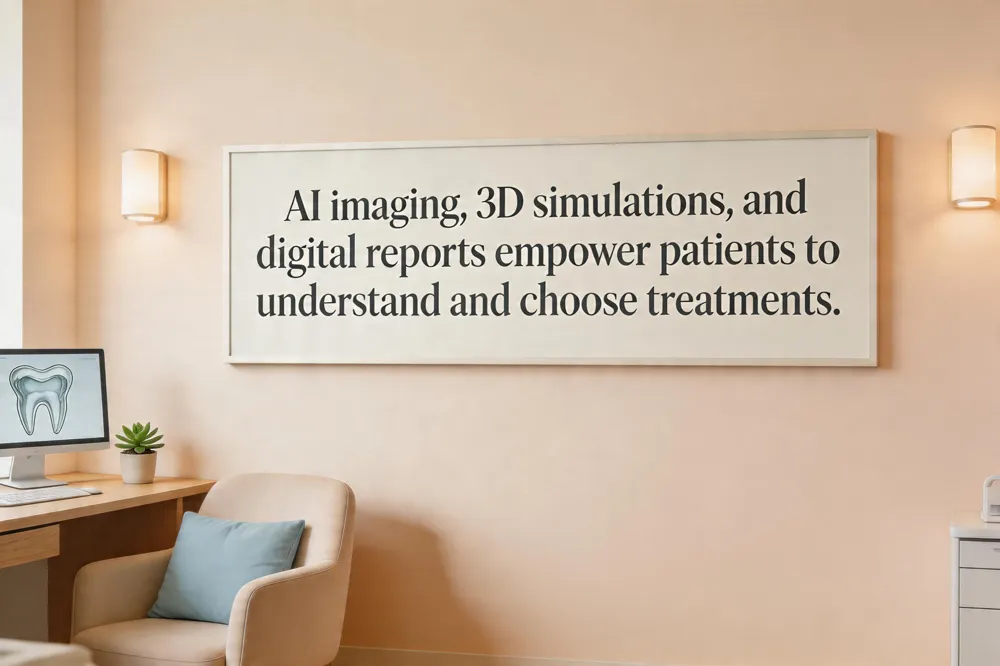
Modern dental practices are turning high‑tech tools into powerful patient‑education assets. AI‑assisted imaging and digital diagnostics provide crystal‑clear 3D views of teeth and gums, allowing dentists to explain disease progression and treatment options in plain language. Visual treatment simulations—often paired with before‑and‑after photo galleries—let patients see exactly how veneers, crowns, implants or orthodontic aligners will look before any work begins, boosting confidence and shared decision‑making. In‑office educational videos break down procedures, hygiene practices and post‑treatment care, while personalized oral‑health reports generated from digital scans give each patient a tailored roadmap for prevention and restoration. Together, these technologies demystify dental care, foster transparency, and build the trust essential for long‑term oral health partnerships.
What Real‑World Reviews Reveal About Trust

Patient reviews consistently highlight friendly, professional staff as a cornerstone of trust.
Across platforms such as Google, Yelp, Healthgrades, and practice websites, commenters praise receptionists, hygienists, and dentists for courteous communication, gentle technique, and prompt attention.
Transparent cost explanations also emerge as a clear pattern: reviewers note detailed estimates before treatment, no surprise bills, and an absence of aggressive upselling.
Practices that publish verified testimonials—requiring name, city, and email verification receive higher credibility, and word‑of‑mouth referrals from friends and family reinforce this reputation.
Practices such as Ace Dental Boston and Laguna Beach Dental Arts illustrate this: patients note bedside manner, treatment explanations, and care.
Photos and before‑and‑after galleries reinforce authenticity, while review patterns avoid artificial rating spikes.
Scheduling, Preventive Rules, and Follow‑Up Care

Most dentists recommend a check‑up every six months, not the 2‑year rule that insurers sometimes cite as a safety net for low‑risk patients. The 2‑year rule is a maximum interval; waiting that long can let cavities or gum disease develop unnoticed, leading to more invasive, costly treatment. For post‑procedure pain, the 3‑3‑3 rule advises taking three 200‑mg ibuprofen tablets every three hours, for no more than three days, to control inflammation—the main source of dental discomfort. Pediatric milestones follow the rule of 7: the first tooth should appear by seven months, the first permanent tooth by age seven, and the initial orthodontic evaluation also at seven years. Consistent six‑month visits, proper pain management, and timely pediatric care together create a preventive roadmap that supports long‑term oral health.
Medication, Sedation, and Pain Management

A modern dental practice balances comfort with safety. Can a dentist prescribe Ambien? Yes, several classes of sedative‑hypnotics may be used, including benzodiazepines like Valium, non‑benzodiazepines such as Ambien or Lunesta, and antihistamines like Benadryl or Phenergan. Your dentist will select the most appropriate medication based on your needs. For anxious patients, mild oral sedatives (e.g., Ambien) are often combined with nitrous oxide—laughing gas—to provide rapid, controllable anxiety relief. Local anesthesia remains the cornerstone for most procedures, while oral sedation (e.g., diazepam) offers deeper relaxation for longer appointments. Post‑procedure analgesia follows clear guidelines: use the lowest effective dose of NSAIDs or acetaminophen, avoid concurrent alcohol, and follow the dentist’s timing instructions. Patients receive written instructions and a follow‑up call to ensure pain is controlled without adverse effects.
Choosing a Trustworthy Practice for Your Smile
Trustworthy dentists are recognized by a blend of patient‑reported experiences and established clinical standards. Consistent five‑star reviews that mention clear explanations, gentle care, transparent pricing, and friendly staff signal strong communication and honesty. Modern practices that use AI‑assisted imaging, digital X‑rays, and 3‑D scanners demonstrate evidence‑based competence and help patients visualize treatment options. Regular follow‑up appointments, same‑day emergency slots, and online scheduling show a commitment to accessibility and reliability. Laguna Beach Dental Arts exemplifies these qualities: its team provides thorough education, employs state‑of‑the‑art diagnostics, and offers prompt emergency care in a calm, family‑friendly office. Experience the confidence of a practice built on trust—schedule your visit today and discover personalized, high‑quality dental care. Contact us today and secure a personalized, stress‑free dental experience for you.